
Beyond Carrots & Screens: Unpacking the Real Quest for Lifelong Eye Health
Which is best for eye health?

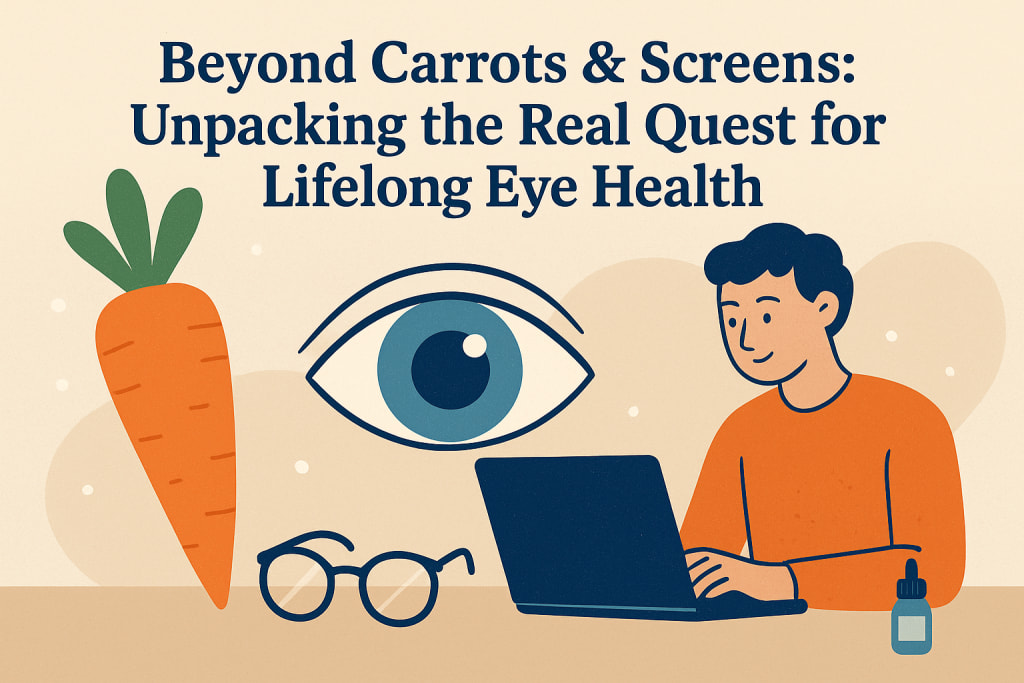
Remember that moment? You’re deep into a project, scrolling endlessly, or maybe just trying to finish one last chapter before bed. Suddenly, your eyes feel like they’ve been rubbed with sandpaper. They’re dry, maybe a bit blurry, and a dull ache settles in behind them. You blink hard, maybe reach for those eye drops buried in your desk drawer. A quiet thought surfaces: "Am I wrecking my eyes? What’s actually best for keeping them healthy?"
That question – which is best for eye health? – echoes in doctor's offices, online forums, and kitchen tables everywhere. We’ve all heard the old wives' tales ("Eat carrots for night vision!"), seen the ads for miracle supplements, and been warned about the evils of screen time. But the truth about protecting our precious sight isn't found in a single magic bullet. It’s a richer, more nuanced story, woven from everyday choices and a deeper understanding of how these incredible organs work.
The Myth of the One True Answer
Let's be honest: we crave simplicity. We want to hear, "Do this one thing, and your eyes will be bulletproof forever." Sadly, biology doesn't work that way. Asking which is best for eye health? is like asking, "Which is best for a long life – eating vegetables, exercising, or sleeping?" The answer is glaringly obvious: all of them, consistently. Eye health thrives on a similar ecosystem of habits.
Think of your eyes like the most sophisticated, self-cleaning cameras imaginable. They need the right fuel, regular maintenance, protection from harsh environments, and periods of rest. Neglect one area, and the whole system suffers, sometimes silently for years. So, instead of seeking a single champion, let's explore the pillars holding up lifelong clear vision.
Pillar 1: Fueling Your Vision – It’s More Than Just Bugs Bunny’s Snack
Yes, carrots (thanks to beta-carotene, which our bodies turn into Vitamin A) are good for your eyes. They help with night vision and overall function. But fixating solely on carrots is like believing a single spark plug runs your entire car engine. The nutritional needs of our eyes are surprisingly complex.
The Sunshine Shield (Lutein & Zeaxanthin): Imagine tiny, yellow-orange bodyguards stationed right in the most sensitive part of your retina – the macula. That’s lutein and zeaxanthin. They act like natural sunglasses, absorbing harmful high-energy blue light (from screens and the sun) and neutralizing damaging free radicals. Where do you find them? Think deep greens: kale, spinach, collards, Swiss chard. Eggs are another fantastic source – the yolks are packed with them! My friend Sarah, a graphic designer staring at screens all day, started blending spinach into her morning smoothies and noticed less eye fatigue by lunchtime. It’s not instant, but it’s building her internal defense.
The Antioxidant Army (Vitamins C & E): These are the repair crew, constantly mopping up the cellular damage caused by light exposure, pollution, and just plain living. Citrus fruits, bell peppers, strawberries, broccoli (Vitamin C), and nuts, seeds, avocados, vegetable oils (Vitamin E) are your go-tos. Picture them patrolling the delicate tissues of your eyes, fixing tiny tears before they become bigger problems.
The Omega-3 Advantage: These healthy fats, especially DHA, are crucial building blocks for the retina. They also help maintain the oily layer of your tears, preventing evaporation and that awful gritty, dry feeling. Fatty fish like salmon, mackerel, and sardines are superstars here. If you’re not a fish fan (like my brother, who shudders at the thought!), high-quality algae-based supplements can be a viable alternative. He begrudgingly started taking them, and his chronic dry eye, worsened by constant air travel, genuinely improved.
Zinc – The Gatekeeper: This mineral helps shuttle Vitamin A from your liver to your retina to produce melanin, a protective pigment. Oysters are famously rich, but beef, poultry, beans, and nuts are good sources too.
The Supplement Question: So, which is best for eye health? Pills or plates? Ideally, aim for a nutrient-rich diet first. Food offers a complex symphony of compounds that work together. However, for specific concerns like Age-Related Macular Degeneration (AMD) risk, the AREDS2 formula (a specific blend of vitamins and minerals studied by the National Eye Institute) has strong evidence. Crucially, never start high-dose eye supplements without discussing it with your eye doctor. They can assess your individual risk and needs.
Pillar 2: Protecting Your Windows – Shielding from the Elements
Our eyes are exposed daily. Sun, wind, dust, digital glare – it all takes a toll.
Sunglasses Aren't Just Cool, They're Critical: That cheap pair from the gas station? Probably not cutting it. Look for sunglasses labeled "100% UV Protection" or "UV400." This blocks both UVA and UVB rays, the invisible culprits behind cataracts and macular degeneration. Bigger lenses or wrap-around styles offer more coverage. Think of it as sunscreen for your eyes. My grandfather, a lifelong farmer who rarely wore shades in his youth, developed significant cataracts early. His ophthalmologist was clear: decades of sun exposure played a major role.
Safety Glasses: Not Just for Construction: Mowing the lawn? Using power tools? Even cleaning with harsh chemicals? Flying debris, wood chips, or splashes can cause devastating injuries in a split second. Protective eyewear is cheap insurance. My neighbor learned this the hard way when a tiny stone kicked up by his lawnmower scratched his cornea – incredibly painful and took weeks to heal properly.
Blue Light: Friend or Foe? Screens emit significant blue light. While research is ongoing about long-term retinal damage from typical device use, we know it messes with sleep (suppressing melatonin) and contributes significantly to digital eye strain. What helps?
The 20-20-20 Rule: Every 20 minutes, look at something 20 feet away for 20 seconds. This simple reset works wonders for focus and fatigue. Set a timer if you have to!
Screen Position & Settings: Position your screen slightly below eye level and about an arm's length away. Reduce screen brightness to match your surroundings. Enable night shift/night mode features in the evenings to reduce blue light emission.
Blue Light Glasses: Can they be part of the solution? Possibly, especially if you struggle with eye strain or sleep disruption despite other measures. They filter some blue light. Think of them as an extra layer of comfort, not a magic shield. They helped me significantly reduce evening headaches after long computer sessions.
Pillar 3: Giving Them a Break – Rest & Moisture Matter
Our eyes weren't designed for 12-hour screen marathons or reading under dim light.
Blink, Seriously, Just Blink: Sounds silly, right? But when we stare intently at screens or books, our blink rate plummets – sometimes by half or more! Incomplete blinking means tears don't spread properly, leading to dry spots and irritation. Make a conscious effort to blink fully and frequently. Try blinking exercises: close your eyes gently, pause for 2 seconds, open, pause for 2 seconds, repeat. Do this a few times when your eyes feel tired.
Humidity Help: Dry air from heating, air conditioning, or airplane cabins sucks moisture from your eyes. A simple humidifier in your bedroom or office can make a noticeable difference. Staying well-hydrated throughout the day is also vital – dehydration affects tear production.
Artificial Tears: Your Liquid Allies: Not all eye drops are created equal. For frequent dryness, choose preservative-free artificial tears (usually in single-dose vials). Avoid drops that promise to "get the red out" – these often contain vasoconstrictors that can worsen dryness over time. Use lubricating drops before your eyes feel desert-dry, especially before long screen sessions or flights. Keep them handy!
Prioritize Sleep: During deep sleep, your eyes get a prolonged bath in restorative tears and nutrients. Skimping on sleep directly impacts eye comfort and health the next day. Aim for those 7-8 hours consistently.
Pillar 4: The Non-Negotiable – Seeing the Expert
This might be the most crucial pillar of all. Regular comprehensive eye exams are not just about getting a new glasses prescription.
The Silent Thief (Glaucoma): This condition damages the optic nerve, often with no symptoms until significant, irreversible vision loss has occurred. Only an eye doctor can detect it early through pressure checks and nerve exams. Early treatment is key to saving sight.
Spotting Trouble Early (Macular Degeneration, Diabetic Retinopathy): Your eye doctor can see signs of these serious conditions long before you notice any vision changes. Early detection dramatically improves management options and outcomes.
The Whole Picture: An eye exam can sometimes reveal signs of other health issues like high blood pressure, diabetes, or even certain autoimmune diseases. Your eyes are truly windows to your overall health.
Personalized Advice: Your eye doctor is your partner. They can answer your specific question – which is best for eye health? – for you, based on your age, family history, lifestyle, occupation, and current eye health. They can tailor recommendations on nutrition, supplements (if needed), screen habits, and protective eyewear. Don't wait for a problem to see them. Make it a routine, like a dental check-up.
The Verdict? It’s Your Personal Ecosystem
So, circling back to that burning question – which is best for eye health? – the answer isn't a single food, a specific pair of glasses, or a lone habit. It's the conscious, consistent cultivation of an ecosystem:
Feed them well: Load up on leafy greens, colorful veggies, fish, nuts, and seeds. Make nutrition a foundation.
Shield them fiercely: Wear quality sunglasses religiously outdoors. Don safety glasses for risky tasks. Manage screen glare and position.
Rest and refresh them: Blink consciously, follow the 20-20-20 rule, use preservative-free artificial tears proactively, prioritize sleep, and manage dry environments.
Partner with an expert: Schedule and keep regular, comprehensive eye exams. It’s the ultimate preventative measure.
It’s not about perfection every single day. It’s about building habits that stack up over weeks, months, and years. It’s choosing the salad more often, reaching for those sunglasses automatically, setting that 20-minute timer on your phone, and actually booking that eye exam you’ve been putting off.
Your eyes are your constant companions, witnessing your entire life story. They deserve more than just carrots or panic when things feel blurry. They deserve a lifetime of thoughtful, consistent care. Start weaving those threads of protection, nourishment, and rest today. What small step will you take right now to show your eyes some love? The view for the rest of your journey depends on it.
About the Creator
John Arthor
seasoned researcher and AI specialist with a proven track record of success in natural language processing & machine learning. With a deep understanding of cutting-edge AI technologies.
Keep reading
More stories from John Arthor and writers in Lifehack and other communities.
The Real Deal on Email Marketing: Your Secret Weapon
Remember that little bakery you stumbled upon last summer? The one with the sourdough that made you sigh with happiness? Imagine if, a few weeks later, you got a friendly email from them: "Hey [Your Name], remember that amazing sourdough? Guess what? We just baked a fresh batch, and there’s a little ‘welcome back’ treat waiting for you." That feeling? That connection? That’s email marketing in its purest, most powerful form. It’s not just blasting ads into the digital void. It’s like having a direct, warm, and genuinely helpful conversation with the people who actually want to hear from you.
By John Arthor6 months ago in Lifehack



Comments
There are no comments for this story
Be the first to respond and start the conversation.