
Anger Rage to Resilience
Turning a Fiery Emotion into Personal Growth. "Inner fire flares to disrupt relationships."


Anger is a strong, normal emotion that all people experience. It often manifests when we feel intimidated, mistreated, or irritated. Even though anger has a poor image, it's vital to understand that it's not always terrible. If it is well controlled, anger may catalyze constructive change. Unchecked rage, however, may harm relationships, general enjoyment, and health.
Anger biologically sets off a spike in cortisol and adrenaline, priming the body for a "fight or flight" reaction. Although this response is essential in times of actual danger, regular outbursts of rage may cause major health issues in the contemporary world, such as heart disease, hypertension, and compromised immunity.
Personal annoyances, societal injustices, or a sense of being misinterpreted are some of the many causes of anger. Deeper feelings like fear, despair, or uncertainty are often hidden behind fury. Effective anger management requires an understanding of these underlying emotions.
How to Positively Handle Anger?
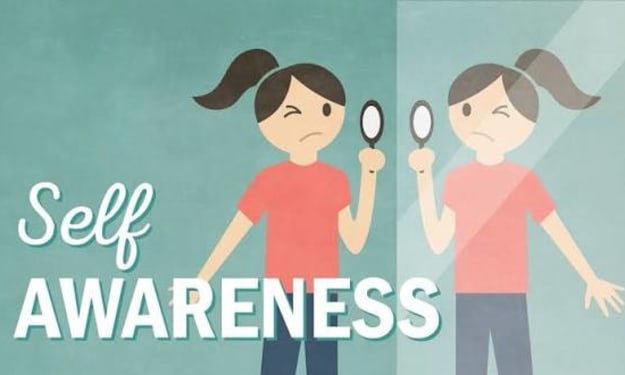
Self-Awareness: Watch for the first signs of fury. Tense muscles, clenched hands, and a high pulse are obvious signs.
Healthy Expression: Don't be violent; instead, try to calm oneself and be firm while expressing anger.
Relaxation Techniques: Progressive muscle relaxation, deep breathing, and meditation are effective ways to rapidly reduce anger.
Modify Your Views: Substitute logical, solution-focused thinking for pessimistic ideas.
Seek Support: Professional advice may be obtained by speaking with a therapist or enrolling in anger management classes.
Significance of Managing Anger
Anger that is out of control may impair judgment, hurt those you love, and cause emotional damage that never goes away. Healthy anger management enhances relationships, increases mental clarity, and advances general well-being.
Anger is a message, not the adversary. Anger may be transformed from a destructive energy into a potent weapon for personal development and advancement by learning to recognize, comprehend, and constructively channel it.
Controlling Anger: The best way to live a Happier, Healthier Life
Anger is a basic human emotion that is often brought on by irritation, injustice, or betrayal. Anger is a normal response to perceived dangers, but unchecked anger may negatively affect one's physical and mental health.
Anger may spur constructive change if it is controlled. Chronic anger, however, has been connected to major health problems, including high blood pressure, heart disease, decreased immunity, and even mental health conditions like despair and anxiety. In addition to harming one's health, unmanaged anger also strains relationships, destroys one's self-esteem, and lowers the level of life pleasure.
Anger, worry, and anxiety have been shown to generate a cascade of chemicals that impair immunity, impede digestion, and raise blood pressure and blood sugar.
Long-term exposure may lead to insulin resistance, which opens the door to chronic diseases and an increased risk of obesity, especially belly fat, especially in women.
Common causes of anger include perceived threats to one's safety, position, or personal ideals.
Frustration: Unfulfilled expectations or blocked aims.
Feelings of unjust treatment are known as injustice.
Strategies for Effective Rage Management: Self-Awareness: Identify personal triggers and early indicators of rage.
Relaxation Techniques: To soothe your body and mind, try gradual muscle relaxation, deep breathing, or meditation.
Cognitive restructuring is the process of changing pessimistic cognitive patterns to more balanced, optimistic viewpoints.
Assertive Communication: To settle disputes amicably, communicate your emotions honestly and politely.
Practice Optimism: Teach your mind to focus on solutions rather than problems.
Professional Assistance: If rage becomes too much to handle, speak with a cognitive therapist.
Healthy Lifestyle: Prioritize rest, take up hobbies, and eat a balanced diet.
Hidden Emotions: Anger often accelerates feelings of fear, remorse, or despair.
Conclusion:
In summary, you may safeguard your health, strengthen your bonds with others, and create a better, more resilient existence by recognizing the causes of your anger and thereby employing useful coping mechanisms.
Justifying controlling anger involves comprehending and turning it into power rather than repressing it. Always have a calm attitude; act, speak, and think notionally.
Like, Comment, Share, Applaud.
About the Creator
Madisetti Raveendra kumar
I'm a passionate writer crafting impactful, engaging stories across diverse topics. Your feedback and insights drive excellence because every story deserves attention, and every voice shapes the narrative. I welcome your readership comments
Keep reading
More stories from Madisetti Raveendra kumar and writers in Lifehack and other communities.
EGO: A Smart Perspective, like a double-edged sword
UNDERSTANDING EGO: The simplest definition of ego is the feeling of self, or the "I" that characterizes a person. The ego, which has profound roots in psychology, philosophy, and daily life, serves as a bridge between our inner wants and the outside world.
By Madisetti Raveendra kumar10 months ago in Pride
United States Self Storage Market to Reach USD 35.8 Billion by 2034, Growing at 1.73% CAGR
Access panels light up. Security cameras rotate quietly. Roll-up doors lift in synchronized rows across suburban corridors. Inside, furniture waits between leases. Inventory rests between sales cycles. Boxes hold documents that no longer fit in shrinking closets.
By Ashutosh Srivastava6 days ago in Lifehack



Comments (1)
Oh dear so well written ♦️♦️♦️♦️