

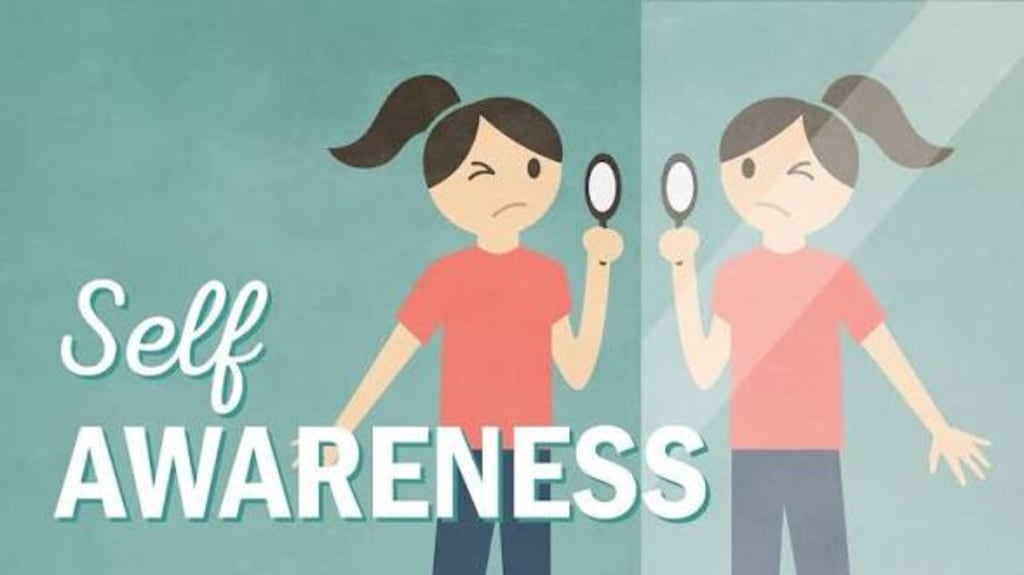
Self-awareness is the ability to recognize and understand your thoughts, emotions, motives, and behaviors in real time. It sounds simple, but it’s one of the most powerful psychological skills a person can develop. When you know what you feel, why you feel it, and how it shapes your actions, you gain the freedom to respond to life intentionally instead of reacting automatically.
At its core, self-awareness has two dimensions: internal and external. Internal self-awareness is how clearly you see your values, passions, triggers, strengths, and weaknesses. It answers questions like: What matters to me? What drains me? Why did I react that way? External self-awareness is how well you understand how others perceive you—your tone, habits, communication style, and impact. People who grow in both areas tend to build stronger relationships, make better decisions, and experience greater emotional balance.
One of the main benefits of self-awareness is emotional regulation. When you can identify your emotions as they arise—anger, anxiety, excitement, jealousy—you create a pause between feeling and action. That pause is powerful. It allows you to choose your response instead of being controlled by impulse. For example, noticing “I feel defensive because I fear criticism” helps you respond calmly instead of reacting aggressively.
Self-awareness also improves decision-making. Many poor decisions are not due to lack of intelligence but lack of clarity about internal drivers. People often act from hidden fears, unconscious habits, or unexamined beliefs. By understanding what motivates you, you make choices aligned with your values rather than temporary emotions or social pressure.

Another important benefit is personal growth. Without awareness, change is almost impossible. You cannot improve what you do not recognize. Self-aware individuals can honestly evaluate their behavior without harsh self-judgment. They see mistakes as information rather than failure. This mindset encourages learning, resilience, and long-term development.
Despite its importance, self-awareness is not automatic. It requires deliberate practice. One effective method is reflection. Taking a few minutes daily to ask simple questions—What did I feel today? What triggered it? What did I learn about myself?—gradually sharpens inner clarity. Journaling can deepen this process by turning vague impressions into concrete insights.
Mindfulness is another powerful tool. By paying attention to the present moment without judgment, you become more aware of thoughts and emotions as they arise. Instead of being swept away by mental noise, you observe it. This observer perspective strengthens self-understanding and reduces emotional reactivity.

Feedback from others also plays a crucial role. Because no one sees themselves completely, trusted perspectives reveal blind spots. Listening openly—without defensiveness—helps bridge the gap between how you see yourself and how others experience you. This is not about seeking approval but about gaining accuracy.
However, self-awareness must be balanced. Excessive self-focus can become rumination, where reflection turns into overthinking and self-criticism. Healthy self-awareness is curious and compassionate, not harsh or obsessive. The goal is understanding, not perfection.
In everyday life, self-awareness shows up in small but meaningful ways: noticing when stress affects your tone, recognizing when fatigue shapes your mood, admitting when you are wrong, or understanding why certain situations energize or exhaust you. These insights quietly shape better choices, stronger relationships, and a more authentic life.
Ultimately, self-awareness is not a destination but an ongoing process. Human beings are dynamic; thoughts, emotions, and circumstances constantly change. Developing awareness means staying open to learning about yourself again and again. It is the foundation of emotional intelligence, personal growth, and meaningful connection with others.
When you understand yourself clearly, you navigate life with intention rather than confusion. You respond instead of react, grow instead of repeat, and live according to who you truly are rather than who you think you should be. That is the quiet power of self-awareness.
About the Creator
Sk
"I am a passionate writer, crafting books and articles on Vocal Media, exploring human experiences, stories, and creative reflections."
The End of the August Rush: How Remote Work Rewrote the Rules of the British Family Holiday
Two weeks in August. Majorca, perhaps, or Cornwall if the budget was a little tighter that year. It was booked in January because everyone knew that if you waited until spring, prices would be brutal and the good apartments would already be gone. The children were off school, both parents used their primary leave blocks concurrently, and the office was held together by whoever drew the short straw and was stuck behind.
By Derien Harleys4 days ago in Lifehack
Rustic Country Farmhouse Cottage Bedroom Furniture Guide
When it comes to charm and comfort, rustic country farmhouse cottage furniture isn't just restricted to living rooms; it is an excellent option for many people looking to achieve a relaxed and homely feel in their bedrooms, too. Wood is at the centre of this unique design trend as it allows you to achieve a natural and earthy finish that is welcoming and universal.
By Picture Perfect Home5 days ago in Lifehack



Comments
There are no comments for this story
Be the first to respond and start the conversation.