
6 SUPER Foods High In Protein That You Should Be Eating DAILY
Foods & Protein

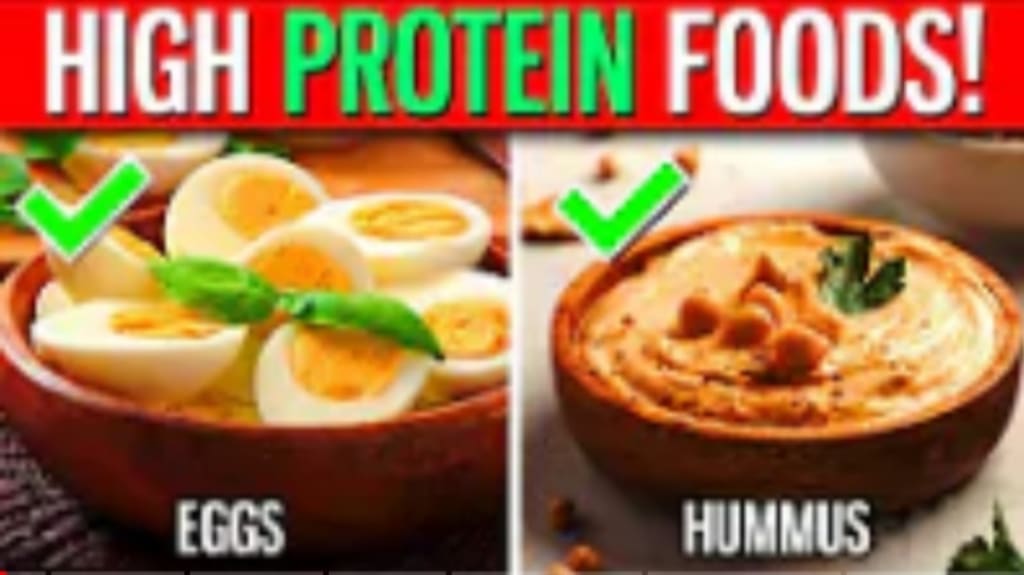
From building new tissue and repairing damage to maintaining fluid balance, protein is an essential component of your metabolic processes and vital to regulating the smooth functioning of your body. Since it's so important, you should ensure you never run out of protein reserves. How?
Well, the answer is simple: through a protein-rich diet. So let's jump into the article and learn about six protein-rich foods that you should make part of your everyday diet.
Number one: Kick start your day with eggs. Eggs are a fantastic source of dietary protein and an excellent breakfast to start your day with. They are widely regarded as a complete protein source, often serving as a standard benchmark for other protein sources. With over six grams of protein per large egg, they are the perfect addition to your meals.
Eating eggs has incredible health benefits, especially in terms of growth and development, particularly in developing populations.
Research involving children in Ecuador has demonstrated that consuming eggs for six months resulted in a significant reduction of growth stunting by almost 50%. Growth stunting typically results from malnutrition and inadequate diets. The study also saw a decline in underweight children by nearly 75%.
Similar results were observed in a study group based in China: by encouraging mothers to include eggs in their regular diets, their children showed improved physical growth and better infant development outcomes.
Eggs are a low-cost protein, which means they're super economical and relatively easy on your pockets compared to other protein sources. Have your eggs scrambled, boiled, or in an egg salad - quickly prepared, versatile, and readily available everywhere. The humble egg packs quite the protein punch.
Number two: Next up on our list, we have chicken breast. Chicken can come in various cuts such as thighs, breasts, wings, and drumsticks, each with a particular proportion of protein share. However, the breast is generally considered the leanest part of the chicken, and three ounces (85g) of roasted, skinless chicken breast provides you with about 27g of protein.
You may have heard about the debate regarding chicken breast's calorie intake and high fat, but it's important to note that they contain mostly good fats.
This includes monounsaturated and polyunsaturated fats and omega-3 fatty acids. Most of a chicken breast's calorie intake also comes from protein; for example, a 100g serving of chicken breast will provide 16.5 calories, of which 80% comes from proteins and 20% from fats.
Chicken is also a good source of other essential vitamins and minerals, such as Vitamin A, niacin, folate, Vitamin B12, choline, thiamine, calcium, magnesium, iron, potassium, selenium, phosphorus, riboflavin, and zinc.
Strengthening bones and building muscle has never been so easy. Some healthy ways to prepare chicken breast include grilling or baking, stir-fried, slow-cooked, or shredded in a salad. There are endless options with this food choice, so take your pick.
Number three: Are you looking for something vegan? Try oats. Compared to other cereals, oats have a high protein content of around 15%, making them an excellent low-cost source of dietary protein with high nutritional value. Oats contain many essential vitamins, minerals, and antioxidants. However, what's more impressive is that one cup or one serving has about 13g of protein.
And get this: its high dietary fiber also makes it an ideal choice for relieving gastrointestinal issues. Regular consumption of oats may help prevent various health conditions due to their antioxidant composition, including Vitamin E.
Vitamin E helps scavenge free radicals that cause oxidative stress, which is linked to diseases like cancer, arthritis, atherosclerosis, and cataracts. Even if oatmeal is not your preferred breakfast option, it remains a fantastic food choice for meeting your protein needs.
And if it's their relatively bland profile that turns you off, try enhancing their flavor and nutritional value by adding bananas and milk and topping it with fresh, juicy berries and peanut butter. We're sure adding something extra will help oats become a staple in your diet.
Number four: Moving on, it's time for some black beans. Generally, legumes are regarded as great sources of protein, fiber, and mineral complexes while containing lower lipid levels. Black beans, in particular, offer these benefits and can aid in safeguarding against various health conditions, including cancer, cardiovascular problems, diabetes, metis, and obesity.
This protection against chronic diseases comes from the bean's abundance of flavonols and anthocyanin, which act as potent antioxidants that combat harmful free radicals, reduce oxidative stress, and prevent the onset of detrimental disorders. Beans are essential to the vegetarian diet as they contain high amounts of plant-based protein.
One cup of unsalted, boiled black beans contains 15g of protein. Protein digestion can be a complex process for the body due to the long chains of amino acids that the body breaks down during digestion.
Those with celiac disease and other health conditions may experience difficulties digesting protein; nevertheless, black beans are highly digestible with a rate of 79%. They are one of the few plant-based sources of the essential amino acid lysine, primarily found in animal-based foods.
Lysine is a fundamental building block of protein that the body cannot synthesize, so it must be obtained from external sources.
Keep in mind that although black beans provide a high amount of plant-based protein, they are not a complete protein source. This means that they do not contain all nine essential amino acids that the body needs. But overall, black beans can serve as an excellent protein source and compensate for the lack of protein in other meals.
So the next time you're making lunch, try a black bean salad mixed with fresh veggies, or if you're looking for something more comforting, why not a filling black bean soup?
Number five: You can also try beef. Beef is an excellent source of protein. The high-quality protein found in beef can assist with weight management in adults. Whether you're looking to shed some weight, prevent weight gain, or even regain weight, incorporating beef into your diet could be a helpful step in achieving your goals.
As you age, your overall health can start to decline, and one common issue that can arise is sarcopenia.
Sarcopenia is when there is an involuntary loss of muscle mass and strength, which tends to affect older adults. In some cases, this condition can lead to sarcopenic obesity, which occurs when the body begins replacing muscle with fat. But we have some good news: studies have shown that middle-aged adults can significantly benefit from increasing their intake of high-quality proteins such as beef when dealing with sarcopenia.
If you or someone you know has this condition, consider adding more beef to your diet as it may be a helpful strategy. Beef is considered red meat, which contains more iron than other meats like chicken and fish. While red meat is an excellent source of essential nutrients, including Vitamin B12, iron, and zinc, it's important to consume it in moderation.
Processed meats like ham, sausage, salami, and bacon should be avoided as they often undergo curing, smoking, salting, and sometimes even the use of chemical preservatives and additives.
Studies have shown growing evidence that excessive beef consumption has been linked to certain chronic disorders like diabetes, cardiovascular issues, and certain types of cancer. Although beef can be a great addition to a balanced diet, it's essential to be mindful of what type of beef you're consuming.
Try avoiding cooking methods that involve added fats, such as deep frying or pan-frying with butter or oil. Grilling, broiling, or baking are considered healthier cooking methods. Also, choose leaner cuts such as sirloin or tenderloin as they contain less saturated fat and calories.
Number six: Next up, we have the super healthy and protein-rich hummus. If you haven't tried this Middle Eastern dip yet, now is the time to do so. Hummus is a good, nutritious blend of chickpeas, tahini, olive oil, lemon juice, and garlic, which provides a good source of protein.
Also, it contains several vitamins and minerals that are beneficial for your health. Chickpeas, the main ingredient in hummus, are rich in protein, with one cup (164g) containing 14.5g of protein.
Hummus or chickpea consumption has frequently been linked to improved weight control and feelings of satiety. Consuming more protein and fiber in your diet can activate gut hormones that reduce appetite and induce a sense of fullness. This can help you eat less and maintain a calorie deficit.
Losing weight can be challenging, especially when trying to maintain a calorie deficit while exercising.
So trying to incorporate foods in your diet that keep you feeling full and meet your body's nutritional needs is crucial. Food allergies and intolerances can be a significant setback for most, but here's some good news: for the most part, consuming hummus is considered safe for nearly everyone.
However, those sensitive to raffinose, a type of sugar, or those with irritable bowel syndrome should exercise caution and consume hummus in moderation.
Veggies make a delicious snack when dipped in hummus. Try experimenting with different varieties like broccoli, cauliflower, carrots, and bell peppers. Dip them in hummus and savor their excellent taste. Nutrition is the key to a healthy lifestyle.
Not only does it keep you away from many medical conditions like diabetes, obesity, and cardiac issues, but it also strengthens your immune system. So why not start including more vitamins and minerals in your diet? Which protein-rich foods are you going to try?
About the Creator
Keep reading
More stories from srinivasan chandra govindharaj and writers in Lifehack and other communities.
10 POWERFUL Antioxidant-Rich Fruits & Vegetables You Must Eat Daily
You may have heard a lot of talk about antioxidants. However, few people know what they are or how they work in the realm of nutrition. Antioxidants stand as silent guardians against cellular damage. Antioxidants are molecules that may help your body fight off harmful free radicals, which have been linked to health conditions like diabetes and cancer.
By srinivasan chandra govindharajabout a year ago in Lifehack
A Parent’s Guide to Fun Kids Birthday Parties in Philadelphia
Planning a birthday party for your child is always exciting, but it can also feel overwhelming for many parents. Every parent wants to create a memorable celebration that is fun, safe, and enjoyable for both children and guests. From choosing the right theme to organizing activities and food, there are several details to consider when preparing for a birthday celebration.
By Sophie Blogs3 days ago in Lifehack
The Day Everything Changed
Most days in life pass quietly, almost unnoticed. People wake up, follow their routines, go to work or school, meet friends, and return home. Nothing unusual happens, and by the next week many of those days are forgotten. But sometimes, without warning, one single day appears that changes everything. It becomes a dividing line in life — the moment when the past and the future suddenly look different.
By Irshad Abbasi 3 days ago in Lifehack
Top tipple tricks
Been thinking a lot about drinking, lately. Not least because of a recent episode of over-indulgence and the inevitable after effects. Some readers may recall the earlier articles I wrote about beating the booze. Here I set out an experiment in techniques for cutting down on my alcohol intake. The experiment was successful, the techniques worked, and I have armed myself with an arsenal of weapons in the war against the demon drink. I have yet to fire the first round however. It's all a question of timing (perhaps procrastination).
By Raymond G. Taylor7 days ago in Psyche



Comments
There are no comments for this story
Be the first to respond and start the conversation.