
10 POWERFUL Antioxidant-Rich Fruits & Vegetables You Must Eat Daily
Fruits & Vegetables

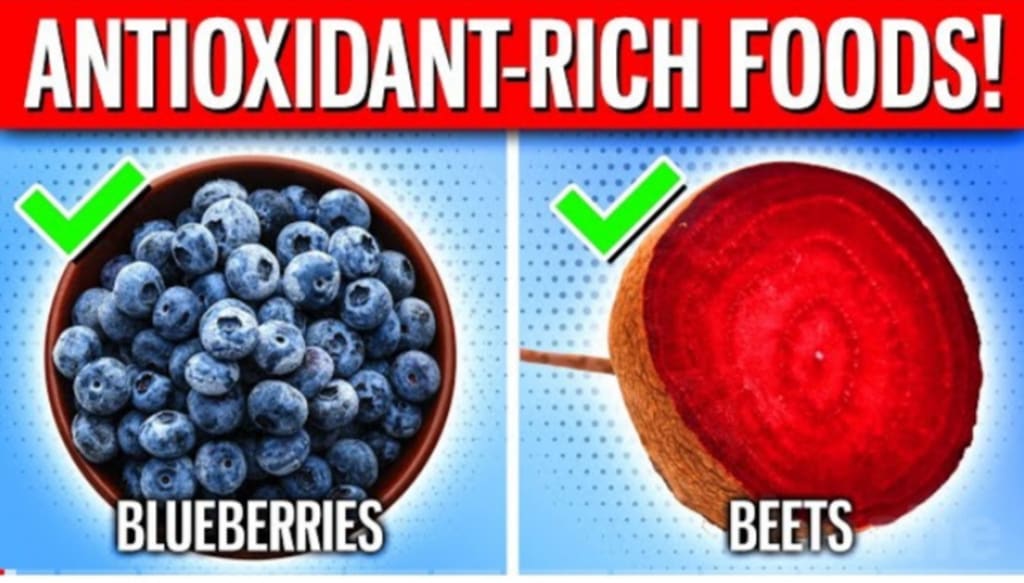
You may have heard a lot of talk about antioxidants. However, few people know what they are or how they work in the realm of nutrition. Antioxidants stand as silent guardians against cellular damage. Antioxidants are molecules that may help your body fight off harmful free radicals, which have been linked to health conditions like diabetes and cancer.
Your body has its antioxidant defenses to keep free radicals in check. However, antioxidants are also found in food, especially in fruits, vegetables, and other plant-based whole foods.
Several vitamins, such as vitamins E and C, are effective antioxidants. we unveil a curated list of 10 fruits and vegetables championed in their antioxidant prowess. But wait! Did we just tell you that we have natural antioxidants in our body? Then why should we consume it through a diet? To find out more, read the complete article without any further delay. Let's get started.
Blueberries: Blueberries are often celebrated as a super food primarily due to their high antioxidant content, which confers numerous health benefits. The antioxidants in blueberries are predominantly flavonoids, with anthocyanin leading the charge. The antioxidant properties of blueberries help to neutralize harmful free radicals in the body. Free radicals are unstable molecules that may cause oxidative stress, leading to cell damage.
This damage is associated with aging and various health conditions, such as heart disease and cancer. Moreover, blueberries are a rich source of other antioxidants, including vitamins C and E, which further enhance their protective effects. Vitamin C is essential for the synthesis of collagen, a structural protein that helps maintain skin integrity and wound healing. Vitamin E is a fat-soluble antioxidant that plays a critical role in protecting cell membranes from oxidative damage.
Animal and test tube studies have shown that the antioxidants in blueberries may slow down the loss of brain function that comes with getting older. They do this by fighting harmful free radicals, lowering inflammation, and changing how some genes are expressed.
Although there's no strict daily recommended value for blueberries, incorporating about half a cup into your daily diet may offer health benefits. They may be enjoyed fresh, frozen, or dried, making them a versatile ingredient for a variety of dishes.
Spinach: Spinach, a leafy green vegetable, is lauded for its high nutrient content, particularly its rich array of antioxidants. Among these antioxidants, carotenoids steal the spotlight. Carotenoids, specifically lutein and zeaxanthin, are celebrated for their eye health benefits. They accumulate in the retina, offering protection against light-induced damage and age-related macular degeneration, one of the leading causes of blindness in older adults.
This green powerhouse doesn't stop there; it's also a source of several flavonoids, which have been researched for their potential to reduce the risk of heart disease by improving arterial function and lowering blood pressure. The combined effects of these antioxidants in spinach contribute to a reduced risk of chronic diseases, showcasing the vegetable's broad-spectrum health benefits.
Integrating a cup of fresh spinach or half a cup of cooked spinach into your daily diet may help you meet your nutritional needs for vitamins A, C, and K, folate, and manganese. For individuals taking blood thinners, managing vitamin K is crucial to preventing conflict with their medication.
Strawberries: The vitamin C in strawberries stands out for its potent antioxidant capacity, exceeding that of many other fruits. This water-soluble vitamin is crucial for the synthesis of collagen, which helps maintain skin elasticity and wound healing. It also plays a significant role in immune function, protecting the body against infections and diseases. Strawberries' rich vitamin C content contributes to their ability to neutralize free radicals and reduce inflammation.
Furthermore, anthocyanins, the pigments that give strawberries their vibrant red color, are another group of antioxidants with significant health benefits. Research has shown that anthocyanins may help reduce the risk of heart disease by reducing levels of LDL (bad) cholesterol and raising HDL (good) cholesterol. About eight strawberries in your diet may contribute significantly to your intake of essential nutrients and antioxidants.
Additionally, strawberries may trigger allergic reactions in some people, manifesting as hives, itching, or swelling. Those with a known allergy to strawberries should avoid them altogether.
Kale: Kale is often cited as a super food, and for good reason. Its dense nutritional profile, especially its antioxidant properties, positions it as a formidable ally against various health issues. The flavonoids quercetin and kaempferol are where kale shines in its antioxidant offering.
These substances effectively lower blood pressure, reducing the risk of heart disease. Their ability to neutralize free radicals and protect cells from oxidative stress underpins many of the health benefits attributed to kale.
Apart from that, kale is higher in vitamin C than most other greens. Vitamin C is an important water-soluble antioxidant that serves many vital functions in the body's cells. For example, it is necessary for the synthesis of collagen, the most abundant structural protein in the body.
While there isn't a universally agreed-upon daily recommended value for kale, incorporating just a cup of raw or half a cup of cooked kale into your diet may significantly contribute to your intake of these essential antioxidants and nutrients.
Additionally, kale is among the vegetables known for accumulating thallium, a heavy metal. However, the health implications of this are still under investigation and likely pose a minimal risk when consumed as part of a varied diet.
Red Cabbage: Red cabbage, with its vibrant color and crunchy texture, is more than just a staple ingredient in salads and coleslaws. It's a nutritional powerhouse, particularly renowned for its antioxidant properties, which are pivotal in combating oxidative stress and bolstering overall health. The antioxidant profile of red cabbage is rich and diverse, primarily sulforaphane.
Sulforaphane, a sulfur-containing compound that emerges when red cabbage is chopped or chewed, exhibits strong anti-cancer and anti-inflammatory properties. It works by stimulating the body's natural detoxification processes, further contributing to its antioxidant activity. One 2014 study of young adults aged 20 to 40 showed that eating more cruciferous vegetables, such as red cabbage, could reduce certain blood markers of inflammation.
Salicylic acid and other antioxidants found in this remarkable group of plants are likely responsible for their anti-inflammatory effect. While there is no specific daily recommended value for red cabbage, adding a serving to your meal several times a week may offer health benefits. Whether raw in salads or fermented as in sauerkraut, red cabbage is a versatile vegetable that fits easily into a healthy eating plan.
However, like other cruciferous vegetables, red cabbage contains goitrogens, which may interfere with thyroid hormone production in susceptible individuals, particularly those with an existing thyroid condition and consuming large amounts.
Beets: These root vegetables are particularly rich in betalains, a class of pigments that includes betacyanin and betaxanthin, which give beets their vivid color. These compounds have been shown to have higher antioxidant activities than some more common antioxidants, such as vitamin C. Their ability to neutralize harmful free radicals protects cells from damage, which is a fundamental cause of many chronic diseases, including heart diseases and cancer.
Beets are also a good source of other antioxidants, including vitamin C, manganese, and flavonoids. Vitamin C boosts the immune system and is essential for collagen synthesis, while manganese plays a critical role in the body's antioxidant defenses. Flavonoids, another group of antioxidants found in beets, contribute to heart health and overall well-being. Adding them to your diet a few times a week may enhance your antioxidant intake.
Beets may be enjoyed in various ways, from raw and grated in salads to roasted, boiled, or blended into smoothies. However, it's essential to consider the potential risks associated with excessive beet consumption. Beets are high in oxalate, which may contribute to kidney stone formation in susceptible individuals.
Broccoli: Sulforaphane stands out among broccoli antioxidants for its potent ability to stimulate the body's protective enzymes. Sulforaphane involves influencing gene expression to activate antioxidant pathways, offering a cellular defense mechanism against environmental toxins and stressors.
Test tube and animal studies indicate that sulforaphane may offer multiple health benefits, including reduced blood sugar, cholesterol levels, oxidative stress, and chronic disease development.
Its consumption has been reported to be associated with a lower risk of myocardial infarction and cancer development. Furthermore, vitamin C in broccoli is another critical antioxidant known for its role in collagen production, which is vital for skin health, wound healing, and maintaining the integrity of blood vessels. It also enhances the immune system's function, offering protection against common illnesses.
Vitamin E, a fat-soluble antioxidant, complements vitamin C by protecting cell membranes from oxidative damage, with a particular focus on skin health and slowing aging processes. Additionally, broccoli is rich in lutein and zeaxanthin, carotenoids that are pivotal for eye health.
These antioxidants accumulate in the retina, offering protection against the damaging effects of blue light and reducing the risk of age-related macular degeneration and cataracts, leading causes of blindness in older adults.
While there's no specified daily recommended value for broccoli, incorporating a serving or two into your diet several times a week may significantly contribute to your antioxidant intake, supporting overall health and wellness. Furthermore, broccoli's high fiber content, while beneficial for digestive health, may cause gas or bloating in some individuals, particularly those with sensitive digestive systems.
Oranges: Predominantly known for their high vitamin C content, oranges encapsulate a broader spectrum of antioxidants, including flavonoids like hesperidin and naringenin, as well as carotenoids, which collectively work to protect the body against oxidative stress and inflammation. One 140g orange covers 92% of your daily vitamin C needs. This water-soluble nutrient is essential for your health; your body uses it for immune function, collagen synthesis, iron absorption, and more.
Along with that, flavonoids in oranges, particularly hesperidin and naringenin, complement vitamin C's effects by offering their unique benefits. Hesperidin has been shown to improve blood vessel function and lower blood pressure, contributing to cardiovascular health. Naringenin, on the other hand, exhibits anti-inflammatory and antiviral properties, further amplifying the fruit's disease-fighting capabilities.
Incorporating one to two medium-sized oranges or a comparable amount of orange juice into your daily diet may significantly contribute to your antioxidant intake, promoting overall health. Oranges may be enjoyed fresh, juiced, or as part of various dishes, making them a versatile and convenient source of nutrients.
However, it's important to be mindful of the potential risks associated with excessive orange consumption. For individuals with gastroesophageal reflux disease, oranges' acidity may trigger or worsen symptoms like heartburn.
Sweet Potatoes: Sweet potatoes, with their rich, vibrant hues ranging from orange to purple, are not just a delicious and versatile staple but also a nutritional powerhouse, thanks to their impressive antioxidant properties. The body converts beta-carotene, the most prominent antioxidant in orange-fleshed sweet potatoes, into vitamin A, which is necessary for healthy vision, immune system function, and skin integrity.
Beyond its antioxidant capabilities, vitamin A plays a crucial role in cellular communication and maintaining the health of the heart, lungs, kidneys, and other organs. In addition to that, the vivid purple color of some sweet potatoes comes from anthocyanins, a type of flavonoid with potent antioxidant effects that have been linked to reduced risk of heart disease, improved brain function, and cancer prevention.
Test tube studies have found that antioxidants in purple sweet potatoes promote the growth of healthy gut bacteria, including certain Bifidobacterium and Lactobacillus species. Moreover, polyphenols in sweet potatoes, including chlorogenic acid, offer additional oxidative stress defense.
These compounds are known for their potential to lower blood sugar levels by enhancing insulin sensitivity, making sweet potatoes a beneficial food for managing diabetes when consumed as part of a balanced diet.
While there's no established daily recommended value for sweet potatoes, incorporating them into your meals a few times a week may help optimize your antioxidant intake. Sweet potatoes are high in vitamin A and vitamin K, which may interfere with blood-thinning medications like warfarin. Consistent intake is key to avoiding fluctuations in blood clotting.
Grapes Resveratrol: found in the skins of red grapes, is one of the most well-studied antioxidants in grapes. It has been associated with a wide range of health benefits, including anti-inflammatory and anti-cancer properties, protection against heart disease, and the potential to extend lifespan by mimicking the effects of calorie restriction.
Resveratrol operates by activating certain genes that ward off the diseases of aging, offering a promising avenue for research into longevity and age-related conditions.
Flavonoids and polyphenols such as quercetin and myricetin also contribute significantly to the antioxidant profile of grapes. These compounds help reduce oxidative stress and inflammation, lowering the risk of chronic conditions such as cardiovascular disease and certain types of cancer. For example, a two-year study of 30 people found that those over the age of 50 who ate 150 to 450 grams of grapes per day experienced decreased markers of colon cancer risk.
While there's no specific daily recommended value for grapes, incorporating a moderate portion into your daily diet may enhance your intake of essential nutrients and antioxidants. While grapes are a natural source of sugar and offer nutritional benefits, their consumption should be balanced within the context of a healthy diet to avoid spikes in blood glucose levels.
And let's talk about daily habits that destroy our body's antioxidants. Several daily habits may negatively impact the natural antioxidant defenses of the body, making it more susceptible to oxidative stress, inflammation, and subsequent health issues:
Poor diet: Consuming foods high in sugar, fats, and processed ingredients while lacking sufficient fruits, vegetables, and whole grains may deplete the body's antioxidants.
Smoking: The harmful chemicals in cigarette smoke, such as tar and benzene, may deplete the body's vitamin C levels, among other antioxidants, impairing its ability to neutralize oxidative stress.
Excessive alcohol consumption: Alcohol metabolism produces acetaldehyde, a toxic compound that generates free radicals, requiring antioxidants for neutralization.
Over-exertion during exercise: While regular exercise is beneficial, excessive and intense physical activity may produce excessive free radicals, potentially overwhelming the body's antioxidant defenses if not balanced with adequate recovery and nutrition.
Exposure to pollution and toxins: Living in areas with high pollution or frequent exposure to toxins, including household chemicals, may increase the load of free radicals in the body.
Chronic stress: Prolonged psychological stress may increase the production of free radicals and inflammatory responses, taxing the body's antioxidant reserves.
Incorporating these antioxidant-rich foods into your diet may contribute significantly to your overall health, offering protection against many chronic conditions. The unique compounds in each provide a variety of benefits, underscoring the importance of a diverse diet for optimal health.
Now that we have discussed the many fruits and vegetables that are rich in antioxidants, let's dive into other topics of interest.
About the Creator
Keep reading
More stories from srinivasan chandra govindharaj and writers in Lifehack and other communities.
15 Visible Signs You Have Vitamin B12 Deficiency
Vitamin B12 is essential as it helps create DNA and red blood cells. However, it doesn't stay in your system for long, nor does your body produce it naturally. This can cause you to have a vitamin B12 deficiency. The body will show many signs, including pale skin, fatigue, and glossitis. Is all about vitamin B12 deficiency.
By srinivasan chandra govindharajabout a year ago in Lifehack
Author’s Advice
If you would’ve asked me 20 years ago did I know I’d become a writer and an author, I would’ve said “nope, ain’t happening”. As fate would have it I did become an author and I can honestly say I’m loving it so far. It really does feel good to be a writer. I’ve learned a lot on this journey and I feel like with even me being as new to this world as I am, there’s some wisdom I need to share with every other aspiring author.
By Joe Patterson5 days ago in Journal




Comments
There are no comments for this story
Be the first to respond and start the conversation.