Latest Stories
Most recently published stories on Vocal.
The Silent Power of Money: How It Shapes Your Choices, Your Mindset, and Your Future
Money is one of the most misunderstood forces in the world. People chase it, fear it, respect it, waste it, worship it, judge it, and dream about it — all at the same time. Some say money is the root of all evil. Some say money is freedom. Some act like money doesn’t matter. But deep down, everyone knows the truth:
By mike18 days ago in Motivation
New Snow and Ice Warning for Friday and Saturday: What You Need to Know. AI-Generated.
The UK is bracing for another round of disruptive winter weather as meteorologists issue fresh snow and ice warnings for Friday and Saturday. Across England, Scotland, and Wales, residents are being advised to prepare for hazardous conditions, with local authorities urging people to limit travel and stay safe. The latest forecasts indicate a combination of heavy snowfall, freezing temperatures, and icy patches, all of which could affect daily routines, public transport, and emergency services.
By Fiaz Ahmed 18 days ago in Earth
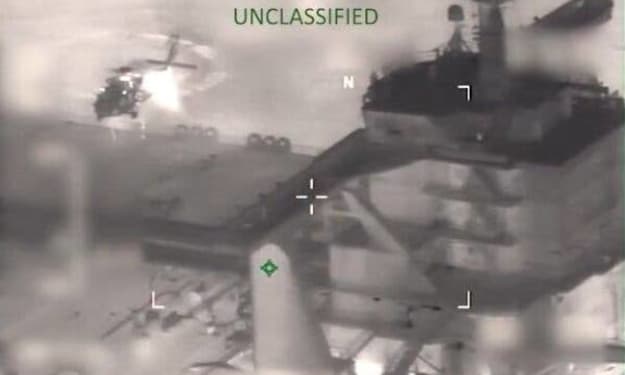
U.S. Navy Is Chasing Several Oil Tankers in the Atlantic. AI-Generated.
The United States Navy has reportedly deployed several ships to monitor and intercept a group of oil tankers moving through the Atlantic Ocean. While details remain limited, officials suggest the operation is part of a broader effort to enforce international maritime regulations, prevent illegal shipments, and protect global energy security. The unfolding situation has drawn attention from governments, energy markets, and security analysts, who are closely monitoring the implications for both geopolitics and global commerce. The Tankers and the Operation The vessels in question are reportedly a mix of large oil tankers carrying crude from various regions. The U.S. Navy’s engagement suggests concerns over either regulatory compliance or the potential diversion of energy resources to unauthorized destinations. Sources indicate that the Navy is coordinating with allied forces to track the vessels' movements, ensuring that they do not enter restricted or sanctioned areas. The Atlantic Ocean has long been a critical corridor for global energy trade, connecting major oil-producing regions in Africa, South America, and the Middle East with consumer markets in Europe and North America. Interceptions in these waters are rare but significant, signaling that authorities have intelligence about potentially illegal or high-risk shipments. Why the Navy Is Involved Naval involvement in tracking commercial tankers is not standard procedure, but it is sometimes necessary when there are concerns about sanctions violations, smuggling, or threats to international security. According to maritime law, coastal states can monitor vessels in their territorial waters, but operations in the open ocean often require coordination with international partners. In this case, the U.S. Navy’s pursuit appears to be preventive, ensuring that the oil shipments are properly documented and that no vessels are breaching international sanctions regimes. Analysts note that such actions also serve a political purpose, sending a clear message to entities attempting to bypass regulations that the U.S. and its allies are vigilant about maritime commerce. Global Energy and Market Implications The news of naval activity around oil tankers has caused ripples in global energy markets. Even a temporary disruption or the perception of restricted supply can trigger fluctuations in oil prices. Traders are closely watching the movements of the vessels and awaiting official statements on whether the tankers are carrying sanctioned cargo. Energy analysts emphasize that the Atlantic is a high-traffic route, and any incident involving naval forces and commercial ships could have cascading effects. Supply chain logistics, insurance premiums for shipping companies, and regional energy security all hang in the balance while the Navy conducts its operation. Potential Geopolitical Dimensions Observers are also evaluating the geopolitical context. The tankers’ origins, destinations, and ownership may have implications for ongoing international disputes, sanctions enforcement, or regional conflicts. Past incidents involving tanker interceptions have highlighted the sensitive nature of global energy politics, where control over resources and adherence to regulations intersect with national interests. Some experts suggest that the Navy’s proactive approach may also reflect broader U.S. concerns about rival nations or non-state actors attempting to exploit maritime trade for economic or strategic gains. By tracking and potentially detaining tankers suspected of irregular activity, the U.S. is reinforcing its role as a global maritime enforcer. Challenges of Maritime Enforcement Enforcing regulations across vast oceans presents numerous challenges. The Navy must rely on a combination of satellite tracking, intelligence reports, and aerial surveillance to locate and follow multiple moving vessels. Communication with ship crews, coordination with international authorities, and adherence to legal protocols are all critical to ensuring the operation proceeds without escalating into conflict. Experts note that such operations require balancing assertiveness with diplomacy. Intercepting commercial ships on the high seas can be controversial, especially when there is ambiguity over compliance or ownership. The Navy’s careful approach is aimed at preventing misunderstandings while maintaining the credibility of international maritime law. Looking Ahead As the U.S. Navy continues to track these oil tankers, the global community watches closely. Official statements from the Department of Defense or the State Department may provide more clarity on whether the tankers are violating regulations or if this is a preventive security measure. Meanwhile, shipping companies and international markets remain alert to any developments that could affect the flow of energy or maritime commerce. Ultimately, this situation underscores the strategic importance of maritime security in today’s interconnected world. The Atlantic Ocean, a vital artery for energy and trade, continues to be a theater where law, geopolitics, and commerce intersect. The Navy’s ongoing operation is a reminder that securing these waters is not just about military presence but also about maintaining trust, order, and stability in the global energy system.
By Fiaz Ahmed 18 days ago in The Swamp
What Psiona Saw, Chapter Two
4-H-N blinked when that one opened her hotel room door. It let onto the interior of an asteroidal cave, whose rocky walls were embellished by various items of technological apparatus. Seated before a monitor-screen and control-panel was another, identical Psiona, this one clad in the diaphanous gauzy garments of her homeworld.
By Doc Sherwood18 days ago in Chapters
Cultivating Calm Through Breath Awareness
Breath awareness is a simple yet powerful practice that invites you to connect deeply with the present moment. By paying gentle attention to the natural flow of your breath, you can anchor your mind and soothe your nervous system. This practice requires no special equipment or experience—just a willingness to pause and observe.
By Black Mark18 days ago in Proof
Stanislav Kondrashov Oligarch Series: The Deep Roots of South Asian Oligarchy
In the unfolding narrative of global influence, few regions illustrate the entrenchment of oligarchic structures quite like South Asia. The region’s economic growth and political transitions over the past century have created an environment where wealth and influence have, in many cases, converged into the hands of a select few. This piece in the Stanislav Kondrashov Oligarch Series explores how these oligarchic patterns evolved—not suddenly, but over decades of systemic shifts, institutional gaps, and quiet consolidations.
By Stanislav Kondrashov18 days ago in History
A Rich Man’s War
A Rich Man’s War The men who wanted war never smelled it. They sat in cosy offices warmed by polished wood and quiet agreement, tracing borders with clean fingers, moving lives with the slide of a pen. They spoke of strategy as if it were a game, of honour as if it were theirs to spend. War, to them, was something to be chosen, something to be craved, because it gave them power without risk. Down below, the craving did not exist.
By Marie381Uk 18 days ago in Fiction
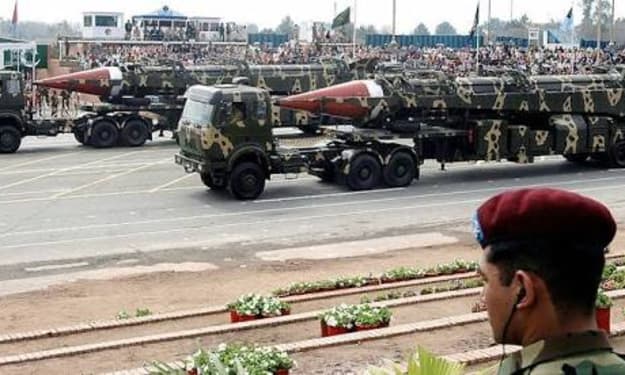
Turkey Said to Seek Membership of Saudi-Pakistan Defense Pact. AI-Generated.
In a significant development for global security dynamics, Turkey has reportedly expressed interest in joining the Saudi-Pakistan defense pact, a strategic agreement that has garnered attention in recent months for its potential impact on regional stability. While details are still emerging, officials suggest that Ankara’s move reflects its desire to strengthen defense cooperation and expand its influence in the Middle East and South Asia. A Strategic Alignment The Saudi-Pakistan defense pact, initially aimed at deepening military collaboration between Riyadh and Islamabad, has long been seen as a mechanism to balance regional threats and ensure security in a volatile neighborhood. Turkey’s reported interest in joining the pact indicates a growing alignment among Sunni-majority nations that share concerns over regional conflicts, especially in Yemen, Syria, and along the Iranian periphery. For Ankara, membership could provide access to advanced military cooperation, joint exercises, and intelligence sharing. This would allow Turkey to consolidate its strategic footprint beyond its immediate borders while signaling its willingness to play a more assertive role in Middle Eastern geopolitics. Observers note that Turkey’s participation could also complement its recent defense diplomacy efforts in Africa, Central Asia, and the Gulf, positioning it as a key security interlocutor across multiple theaters. Implications for Pakistan and Saudi Arabia For Pakistan and Saudi Arabia, Turkey’s potential inclusion presents both opportunities and challenges. On one hand, Ankara’s advanced military capabilities, particularly in drone technology and missile systems, could significantly enhance the pact’s operational strength. Turkey’s participation could also foster broader economic and defense-related collaboration, given its experience in arms manufacturing and defense exports. However, the move may complicate the alliance’s dynamics. Pakistan has traditionally maintained a careful balance between Saudi interests and its own regional calculations, particularly regarding India and Afghanistan. Integrating Turkey into the pact may require careful diplomatic calibration to ensure that the agreement serves all parties’ strategic objectives without inflaming tensions with other regional players. Saudi Arabia, too, may view Turkey’s membership with cautious optimism. While Riyadh benefits from Ankara’s military expertise, Turkey’s independent foreign policy streak—particularly its positions in Syria and its relations with Iran—could pose challenges to cohesive decision-making within the pact. Analysts suggest that Saudi officials may seek clear guarantees from Ankara on coordinated action and mutual priorities before formalizing membership. Regional and Global Repercussions If Turkey formally joins the Saudi-Pakistan defense pact, the geopolitical implications could be far-reaching. The alliance could serve as a counterweight to Iranian influence in the Middle East, particularly in Yemen and along the Gulf. It may also impact Turkey’s relations with NATO allies, given the bloc’s emphasis on collective security and its cautious approach toward Middle Eastern security arrangements. Furthermore, the move could reshape defense cooperation patterns across South Asia. India, closely monitoring developments, may perceive Turkey’s entry into the pact as a factor influencing regional security calculations. Similarly, Afghanistan’s fragile security environment may be indirectly affected, as the alignment of Sunni-majority powers could recalibrate influence over key territories and armed groups. A Diplomatic Balancing Act For Turkey, joining the Saudi-Pakistan defense pact would require delicate diplomacy. Ankara must navigate complex relationships with NATO allies, maintain constructive engagement with Iran, and align its strategic goals with those of Riyadh and Islamabad. The decision may also be influenced by domestic political considerations, as Turkey’s government seeks to project both military strength and international relevance amid economic and political pressures at home. Experts believe that the process will involve multiple rounds of consultations, strategic assessments, and agreements on operational procedures. Clear frameworks for joint exercises, intelligence sharing, and crisis response would likely be established before Ankara’s formal induction. Looking Ahead Turkey’s reported interest in the Saudi-Pakistan defense pact underscores a broader trend in global security: alliances are becoming increasingly flexible, and states are seeking multipolar partnerships to safeguard national interests. For the Middle East and South Asia, the potential expansion of this pact could influence everything from regional conflict management to military modernization and diplomatic leverage. As details emerge, policymakers, analysts, and international observers will be closely monitoring how Ankara, Riyadh, and Islamabad navigate this complex terrain. The decision, when finalized, will not only shape regional security architecture but also signal Turkey’s ambitions as a proactive military and diplomatic actor in the 21st century. Conclusion Turkey’s pursuit of membership in the Saudi-Pakistan defense pact reflects its desire to expand influence and enhance regional security cooperation. While opportunities for collaboration abound, the move also presents challenges in balancing divergent national interests, managing complex regional dynamics, and navigating global geopolitical repercussions. As the process unfolds, the world will be watching how this emerging alliance could reshape the balance of power in one of the most strategically significant regions on the planet.
By Fiaz Ahmed 18 days ago in The Swamp
Making Meaningful Connections as a Senior
As we grow older, social circles often become smaller. Opportunities to meet new people tend to fade, not because the desire disappears, but because the contexts that once made encounters natural slowly vanish. Many seniors still feel the need to share, to talk, to laugh, to build a connection — whether friendly, emotional, or romantic — yet they no longer know where or how such encounters can happen.
By Bubble Chill Media 18 days ago in Longevity