
Cultivating Calm Through Breath Awareness


Breath awareness is a simple yet powerful practice that invites you to connect deeply with the present moment. By paying gentle attention to the natural flow of your breath, you can anchor your mind and soothe your nervous system. This practice requires no special equipment or experience—just a willingness to pause and observe.
What is Breath Awareness?
Breath awareness means noticing the sensations of breathing without trying to change it. You might feel the cool air entering your nostrils, the rise and fall of your chest or belly, or the subtle rhythm of inhaling and exhaling. This mindful attention helps you become more grounded and present.
Benefits of Breath Awareness
1) Reduces stress and anxiety by calming the nervous system
2) Enhances focus and mental clarity
3) Supports emotional balance
4) Encourages relaxation and restful sleep
5) Builds a foundation for other meditation practices
A Simple Breath Awareness Practice
Try this short exercise to invite calm and clarity:
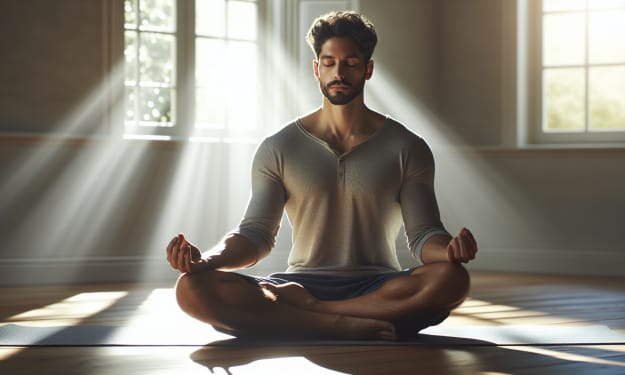
1) Find a comfortable seated position with your back straight but relaxed. Rest your hands gently on your lap.
2) Close your eyes if that feels comfortable, or soften your gaze.
3) Bring your attention to your natural breath. Notice the air as it enters your nostrils and leaves your mouth or nose.
4) Observe the rise and fall of your chest or belly with each breath. Don't try to control your breathing; just watch it.
5) If your mind wanders, gently guide your focus back to the sensations of breathing without judgment.
6) Continue this for 3 to 5 minutes, or longer if you wish.
7) When you are ready, slowly open your eyes and notice how you feel.
Tips for Daily Breath Awareness
Make breath awareness a gentle habit by practicing at the same time each day, such as first thing in the morning or before bed. You can also bring mindful breathing into daily activities like walking, washing dishes, or waiting in line. The more you practice, the more natural it becomes to return to your breath as a source of calm.
Remember, breath awareness is not about perfection but about kindness to yourself and curiosity about your experience. With regular practice, it can become a steady companion through life’s ups and downs.
Breath awareness invites you to gently rest your mind on the simple rhythm of your breathing, helping you find moments of peace and clarity even in busy days through the breath awareness meditation practice
"Deepening Your Breath Awareness
As you grow more comfortable with basic breath awareness, you might explore longer sessions or combine this practice with gentle movement like yoga or walking meditation. Notice how your breath changes with your emotions and physical state. This awareness can guide you to respond with more calm and kindness.
Common Challenges and How to Overcome Them
1) **Restlessness:** If your mind feels busy, don’t resist it. Acknowledge distractions and gently return your focus to the breath.
2) **Impatience:** It’s normal to want quick results. Instead, embrace the process as a journey toward greater ease.
3) **Physical discomfort:** Adjust your posture or try lying down if sitting is uncomfortable. Comfort supports relaxation.
Integrating Breath Awareness into Your Life
Try setting gentle reminders to pause and breathe throughout your day. Even a few mindful breaths can reset your nervous system and bring you back to the present. Over time, breath awareness can become a natural refuge, helping you navigate stress with greater ease and presence.
Breath is always with you, a steady anchor to the here and now. By cultivating this simple awareness, you open a doorway to calmness and resilience that supports your well-being every day.
About the Creator
Keep reading
More stories from Black Mark and writers in Proof and other communities.
Daily Mindfulness Habits for a Calmer Life
Mindfulness is the simple practice of bringing your full attention to the present moment. It can help reduce stress, increase focus, and bring a deeper sense of peace. Developing daily mindfulness habits is a gentle way to invite calm into your busy life.
By Black Mark10 days ago in Proof
Cultivating Inner Peace: A Daily Routine for Calm and Clarity
Finding inner peace can feel like a distant goal in our busy lives. Yet, with gentle daily habits, we can create a space of calm within ourselves. This inner peace routine is simple and accessible, inviting you to slow down and connect to your breath and body.
By Jonse Gradeabout 6 hours ago in Proof
Bartender Signature Drinks: Crafting Your Own Cocktail Identity
When you step behind the bar, it’s not just about pouring drinks — it’s about telling a story, making a statement, and leaving a mark. Bartender signature drinks are the secret weapons of mixologists who want to showcase their creativity and personal style. These unique cocktails reflect the bartender’s taste, experience, and flair. Whether you’re an aspiring pro or a home enthusiast, creating your own signature drink is a thrilling way to express yourself.
By Sofia Mertinezzabout 23 hours ago in Proof
Center Stage with Gina C.
*** I'm keen to republish the interviews I did for my series with Vocal creators. It's been a few years and I thought it might be nice to revisit these wonderful conversations. I'll be releasing them one at a time for a few weeks/months.
By Heather Hubler3 days ago in Interview


Comments
There are no comments for this story
Be the first to respond and start the conversation.