Latest Stories
Most recently published stories on Vocal.
The Titanic's Final Moments Have Been Recreated With Supercomputer Precision. AI-Generated.
More than a century after the Titanic sank in the icy waters of the North Atlantic, researchers are using cutting-edge technology to understand its final, tragic moments. For the first time, supercomputers have been employed to recreate the ship’s sinking with unprecedented precision, offering new insights into what happened during those harrowing hours.
By Fiaz Ahmed 13 days ago in Longevity
Performance Marketing Metrics That Actually Predict Profit
Most marketing teams rely on specific metrics to measure campaign performance. And most of the time, they focus on questions like "Does the campaign achieve its goal? Is the conversion rate improving? Visits and clicks are increasing?
By William Powell13 days ago in Journal
Natural Gas Prices Soar as Arctic Cold to Blast Upper Midwest and Descend Across U.S.. AI-Generated.
As an Arctic blast threatens to sweep across the Upper Midwest and beyond, natural gas prices in the U.S. have spiked sharply, reflecting concerns about rising energy demand amid extreme winter conditions. This chilling forecast comes as millions brace for plummeting temperatures, heavy snow, and the potential for widespread disruption to heating and power infrastructure. A Polar Vortex on the Horizon Meteorologists have confirmed that a polar vortex pattern will push frigid air from the Arctic southward, engulfing states such as Minnesota, Wisconsin, Michigan, and Illinois, before spreading across the broader U.S. heartland. Temperatures are expected to drop 20–30 degrees below normal in many areas, triggering an unprecedented surge in energy consumption as residents and businesses scramble to stay warm. This cold snap is not only a human concern but also a market-moving event. The increased demand for natural gas, the primary heating fuel for millions of American homes, is driving futures prices to new seasonal highs. Analysts warn that households relying on gas-fired heating systems could see higher energy bills in the coming weeks, and cities may need to implement conservation measures to prevent shortages. Why Natural Gas Prices Are Rising Natural gas markets are highly sensitive to temperature fluctuations. When the Arctic cold settles in, utilities ramp up consumption to maintain indoor temperatures, leading to a sharp increase in gas withdrawals from storage. With inventories already below average due to a milder-than-expected start to winter, traders are reacting to the anticipated strain on supplies, causing spot and futures prices to surge. Industry experts highlight several factors behind the current price spike: Limited storage levels: Natural gas storage was already below the five-year average heading into winter, leaving the market more vulnerable to cold snaps. High heating demand: Millions of U.S. households rely on natural gas for heating, and extreme cold can spike usage within days. Production constraints: Some production regions face logistical challenges, limiting the ability to ramp up output quickly. Global energy trends: International demand, particularly from Europe and Asia, has influenced domestic market sentiment, adding upward pressure on prices. The Human and Economic Impact The immediate effect of the cold blast will be felt by residents across the Upper Midwest. Utility companies are urging customers to insulate homes, monitor thermostat settings, and reduce nonessential energy use to help prevent potential outages. Rural areas, where energy infrastructure is less resilient, may face intermittent gas supply disruptions, forcing households to seek alternative heating methods. Emergency services are on alert, with shelters preparing to accommodate those unable to heat their homes. Economically, the surge in natural gas prices can have a ripple effect. Increased heating costs may strain household budgets, while industries reliant on natural gas for production—such as chemical manufacturing and food processing—could face higher operational expenses. Analysts suggest that retail prices for gas-heated utilities could rise by 15–25% during the peak of the cold spell, depending on the severity and duration of the freeze. Preparing for the Cold Utilities and government agencies are taking preemptive measures to mitigate the impact of the Arctic blast: Natural gas suppliers are coordinating to ensure adequate pipeline flow and prioritize critical infrastructure. State authorities are issuing advisories, encouraging residents to stock up on essentials and avoid unnecessary travel during extreme conditions. Energy markets are closely monitoring storage withdrawals and production levels to prevent shortages and stabilize pricing. Forecasters are also emphasizing the importance of long-term preparedness, as climate variability and extreme weather events may continue to test energy infrastructure. Investment in renewable energy, resilient heating systems, and strategic storage facilities is increasingly being seen as vital for ensuring reliable access to energy during future cold snaps. Outlook for the Week Ahead As the Arctic cold descends, natural gas markets will remain volatile, with prices likely to remain elevated until temperatures moderate. Analysts advise consumers and businesses to plan for higher bills, while policymakers evaluate potential interventions, such as short-term subsidies or energy relief programs, to support vulnerable populations. While the Upper Midwest braces for frigid temperatures, heavy snow, and high gas prices, the situation underscores a broader reality: energy markets and weather are increasingly intertwined, and extreme cold events can have immediate, widespread economic and social impacts. Conclusion The upcoming Arctic blast is a stark reminder of how weather can shape energy markets and daily life. With natural gas prices soaring, households, industries, and governments face a delicate balancing act: meeting heating demands while maintaining affordable and sustainable energy supplies. As the cold wave moves across the U.S., residents are urged to stay informed, conserve energy, and prioritize safety, while analysts continue to track market responses to one of the most severe winter threats of the season.
By Fiaz Ahmed 13 days ago in Longevity
Indonesia to Build Two More Arrowhead 140-Derived Frigates: Boosting Naval Strength and Regional Security. AI-Generated.
Indonesia has announced plans to expand its naval capabilities with the construction of two additional frigates derived from the Arrowhead 140 design, signaling a significant step in the country’s maritime defense strategy. This move reflects Jakarta’s commitment to modernizing its navy, safeguarding its territorial waters, and projecting power across Southeast Asia’s strategic maritime routes. Arrowhead 140: The Backbone of Modern Frigates The Arrowhead 140 is a flexible and highly capable frigate design developed by Babcock International in the United Kingdom. Known for its modular construction, advanced sensors, and multirole capabilities, the platform has been praised for balancing firepower, survivability, and operational flexibility. Indonesia has already embarked on building its first frigates based on the Arrowhead 140 design, and the decision to add two more ships demonstrates the navy’s confidence in the design’s operational value and adaptability to the region’s unique maritime challenges. The Arrowhead 140-derived frigates are designed to perform a wide range of missions, from anti-submarine warfare and surface combat to maritime patrol and disaster relief operations. Equipped with state-of-the-art radar, sonar, and missile systems, these ships are expected to enhance Indonesia’s ability to deter regional threats and maintain freedom of navigation across its archipelagic waters. Strategic Importance for Indonesia Indonesia, as the world’s largest archipelagic nation, faces unique maritime challenges. With over 17,000 islands, vast Exclusive Economic Zones (EEZs), and key sea lanes like the Malacca Strait and the South China Sea, the country requires a modern and capable navy to protect its sovereignty, secure trade routes, and respond to regional security threats. The additional frigates will strengthen the Indonesian Navy’s blue-water capabilities, enabling the force to operate farther from its shores and maintain a credible presence in contested waters. Analysts note that the expansion aligns with Jakarta’s broader military modernization plans, which include investments in submarines, corvettes, and advanced maritime surveillance systems. Collaboration and Domestic Shipbuilding The construction of these new frigates is not only a strategic move for defense but also a boost for domestic shipbuilding. Indonesia has increasingly sought to develop local expertise in naval construction, partnering with international defense firms for technology transfer and training programs. By producing these vessels locally with Arrowhead 140-derived designs, Indonesia ensures knowledge transfer, job creation, and the development of a sustainable defense industry. This approach aligns with the country’s ambition to reduce reliance on foreign imports and foster a self-reliant defense ecosystem. The shipbuilding program will involve collaboration with state-owned enterprises, private shipyards, and defense technology providers, creating opportunities for innovation and workforce development. Experts suggest that this approach will position Indonesia as a regional leader in naval manufacturing and maritime security over the coming decades. Regional Security Implications Southeast Asia has witnessed increasing tensions in recent years, particularly in the South China Sea and maritime trade corridors. The expansion of Indonesia’s naval capabilities through Arrowhead 140-derived frigates sends a strong signal to neighboring countries about Jakarta’s commitment to defending its waters and maintaining stability in the region. The new frigates are likely to participate in multinational exercises, patrol missions, and humanitarian operations, enhancing Indonesia’s diplomatic leverage and strategic influence. Defense analysts note that these vessels could also strengthen partnerships with other regional powers, including the United States, Australia, and Japan, by contributing to joint security initiatives and maritime surveillance operations. Modernization and Operational Readiness The new frigates will feature advanced combat systems, missile launchers, and electronic warfare capabilities, ensuring they can counter modern threats, including asymmetric attacks, piracy, and submarine incursions. The vessels are expected to complement Indonesia’s existing fleet, including corvettes, fast attack craft, and amphibious ships, providing a comprehensive and balanced maritime defense capability. Officials have emphasized that the operational readiness and adaptability of these frigates will be crucial, particularly as Indonesia navigates geopolitical challenges, territorial disputes, and natural disasters. The ships’ versatility will allow them to switch seamlessly between combat operations and humanitarian missions, reflecting Indonesia’s dual focus on national defense and regional stability. Conclusion Indonesia’s decision to build two additional Arrowhead 140-derived frigates represents a strategic investment in naval modernization, regional security, and domestic defense industry development. By combining advanced technology, local shipbuilding expertise, and operational flexibility, these vessels will enhance Indonesia’s maritime presence, deter potential threats, and strengthen its role as a key security actor in Southeast Asia. As the frigates move from design to construction, analysts and policymakers will closely monitor how Jakarta leverages these capabilities to safeguard its waters, support regional stability, and develop a resilient defense ecosystem for the decades ahead.
By Fiaz Ahmed 13 days ago in The Swamp
UK Residents and Campaigners Move to Seek Judicial Review Against China’s New Embassy Decision. AI-Generated.
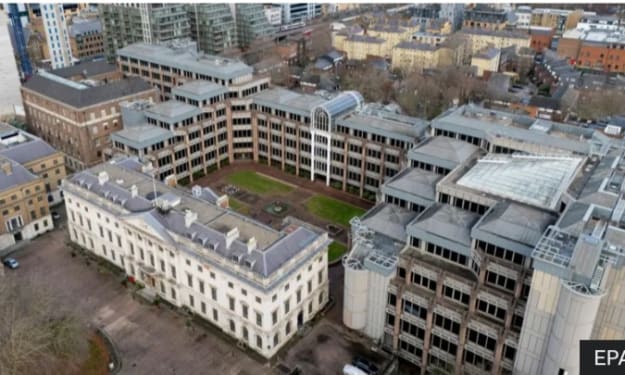
Opposition to the UK government’s decision to approve plans for a new Chinese mega‑embassy in London has rapidly escalated from protests and political criticism to a formal legal challenge. Local residents, supported by advocacy groups and some political figures, are preparing to seek a judicial review of the decision, arguing that the approval process was flawed, lacked transparency, and imposed unacceptable risks to security, privacy, and community wellbeing. �
By Ayesha Lashari13 days ago in The Swamp
Why Most Relationships Fail — Even When Love Feels Real. AI-Generated.
Why Love Alone Is Not Enough Most people grow up believing that love is the most important ingredient in a successful relationship. Movies, books, and social media constantly reinforce the idea that if two people truly love each other, everything else will somehow fall into place. Unfortunately, real life tells a very different story.
By Anikó Fónai13 days ago in Journal
Almost 60% of Kyiv Without Power as Russian Strikes Shatter Grid. AI-Generated.
Kyiv, the capital of Ukraine, is facing a humanitarian and infrastructural crisis after recent Russian missile strikes severely damaged the city’s power grid. Reports indicate that nearly 60% of Kyiv residents are without electricity, leaving millions struggling to cope with freezing temperatures, disrupted water supply, and widespread uncertainty. The attacks, which targeted key energy facilities, underscore the growing intensity of the ongoing conflict and its devastating effects on civilians. Targeting the Lifelines of the City The Russian strikes specifically hit electricity substations, transmission lines, and power distribution hubs, effectively paralyzing Kyiv’s ability to maintain a stable power supply. Ukrainian officials have described the attacks as “strategic and calculated”, aimed at crippling not only energy infrastructure but also the day-to-day functioning of the capital. “This is not just an attack on buildings; it is an attack on people’s lives,” said a senior Ukrainian energy official. “Without power, hospitals struggle, water pumping stations halt, and millions of families are left in darkness.” Winter Compounds the Crisis The timing of the strikes could not have been worse. Kyiv is currently enduring bitterly cold winter temperatures, with averages hovering around -10°C to -15°C. With the electricity grid down, central heating systems in residential and public buildings are failing, and the lack of power is affecting water heating and cooking facilities. Local authorities have urged residents to stay indoors, bundle up, and limit electricity usage where generators are available. Emergency shelters have been opened to accommodate those most vulnerable to the cold, including the elderly, children, and individuals with health conditions. Impact on Public Services The power outage has caused a cascade of disruptions across essential services. Hospitals are running on backup generators, but fuel supplies are limited, raising concerns about the continuity of care for critical patients. Public transportation, which relies on electrically powered systems, has been slowed or temporarily halted, stranding commuters and disrupting city logistics. Water supply networks are also affected, as many pumping stations depend on electricity. Residents in affected neighborhoods report intermittent water supply, while supermarkets and pharmacies are struggling to maintain operations due to refrigeration failures. Schools have been temporarily closed, and businesses are grappling with interruptions to their operations, further straining an economy already weakened by prolonged conflict. Ukrainian Response and Repairs Ukrainian energy teams are working around the clock to restore power. Mobile repair units have been deployed, and local engineers are attempting to reroute electricity to the most critical areas, including hospitals, shelters, and emergency response centers. While some districts have regained limited power, officials warn that full restoration could take days due to the extensive damage and continued threat of further attacks. President Volodymyr Zelenskyy has called on international partners to provide emergency energy support, including portable generators, fuel supplies, and technical expertise. International Reactions The international community has expressed concern and condemnation over the targeting of civilian infrastructure. The United Nations has called for the protection of essential services, emphasizing that attacks on energy grids violate international humanitarian law and disproportionately affect civilians. Neighboring countries, including Poland and Romania, are reportedly coordinating with Ukraine to supply emergency electricity and fuel, while humanitarian organizations are mobilizing resources to assist displaced families and those struggling in freezing conditions. Humanitarian Toll For ordinary Kyiv residents, the crisis is deeply personal. Families huddle under blankets, schools remain closed, and many are forced to rely on candles and makeshift heating methods. Social media posts from the city highlight the emotional toll, with parents expressing concern for their children, and elderly residents facing life-threatening conditions in the absence of heat. Volunteer groups are stepping in, distributing warm clothing, food, and portable heaters. Community solidarity has emerged as a critical lifeline, with neighbors helping each other navigate the challenges of a city plunged into darkness. Strategic Implications The strikes on Kyiv’s power grid are part of a broader campaign to weaken Ukraine’s infrastructure and morale. Analysts suggest that targeting energy networks not only creates immediate suffering but also strains long-term recovery efforts. As winter continues, the resilience of Kyiv’s residents and emergency services will be tested, highlighting the ongoing human cost of the conflict. Conclusion The recent Russian strikes that left nearly 60% of Kyiv without power underscore the vulnerability of urban centers during wartime. While Ukrainian authorities are working tirelessly to restore electricity and provide humanitarian aid, the situation remains precarious. The city faces not only a physical blackout but also a chilling reminder of the broader consequences of conflict on civilian life. As international attention focuses on Kyiv, the world witnesses both the destruction wrought by modern warfare and the resilience of a population determined to endure, even in the harshest conditions.Start writing...
By Fiaz Ahmed 13 days ago in The Swamp
Building Stronger Schools Through Student Mental Health Support
Schools across the United States face a growing responsibility to support students with anxiety and depression. Academic pressure, social media influence, family stress, and uncertainty about the future affect students at younger ages than ever before. Therefore, schools must recognize that mental health directly shapes learning outcomes, behavior, and long-term well-being. When students feel emotionally supported, they engage more fully in class and build stronger relationships. As a result, mental health care should stand alongside academic instruction as a core school priority.
By Martin Karp13 days ago in Education