Latest Stories
Most recently published stories on Vocal.
Parliamentarians Say They Take “No Comfort” in China Dropping Sanctions – UK Politics. AI-Generated.
UK lawmakers remain cautious despite China lifting certain sanctions, citing ongoing concerns about human rights and geopolitical influence British parliamentarians have expressed skepticism following reports that China has dropped several sanctions imposed on the United Kingdom. While Beijing framed the move as a gesture toward improving bilateral relations, many UK lawmakers insist that the decision provides “no comfort” in light of ongoing tensions over human rights, trade, and international security. The episode highlights the complex nature of modern diplomacy, where symbolic actions often collide with long-term strategic concerns. Background: Why the Sanctions Were Imposed China had initially imposed sanctions on UK officials, academics, and entities in response to the United Kingdom’s criticism of human rights practices in Xinjiang and Hong Kong. Sanctions included travel bans and restrictions on engagement with Chinese institutions. These measures were part of a broader international response, aimed at pressuring China to address allegations of human rights violations. The UK, alongside partners like the EU, the U.S., and Canada, sought to demonstrate that violations of international norms would have consequences. China’s Recent Decision Reports indicate that China has lifted some of the sanctions, framing the move as a positive step toward better diplomatic relations. Chinese officials emphasized the desire to restore constructive dialogue and strengthen trade ties. However, the move does not signal an end to all tensions. Many restrictions remain in place, and the lifting of sanctions is widely viewed as symbolic rather than substantive. Parliamentarians’ Reaction: “No Comfort” UK lawmakers from across the political spectrum have stressed that the lifting of sanctions should not be seen as an endorsement of China’s policies. Key points include: Human rights remain a pressing concern: Allegations of forced labor, mass surveillance, and suppression of dissent continue to attract scrutiny. Geopolitical caution: China’s growing influence in trade, technology, and global governance remains a topic of concern. Diplomacy versus principle: Parliamentarians emphasize that improving relations should not come at the cost of compromising on values. One senior MP noted, “While it is encouraging that tensions may reduce slightly, we cannot take comfort until China addresses the fundamental issues we raised.” Trade and Economic Implications The lifting of sanctions could have practical benefits for businesses and universities that faced restrictions. Trade talks may resume more smoothly, and academic exchanges could restart without the previous limitations. However, some experts warn that economic incentives cannot replace principles. Companies and policymakers are urged to maintain vigilance in ensuring that trade with China does not inadvertently support practices deemed unacceptable by UK standards. Diplomatic Significance China’s decision to drop sanctions may also serve as a strategic signal: Domestic messaging: Demonstrating flexibility may bolster China’s image internationally as a cooperative power. Testing UK responses: By easing restrictions slightly, Beijing can gauge how UK politicians and institutions react. Influence and leverage: Even partial removal of sanctions can be a subtle tool for shaping UK policy without formal agreements. Parliamentarians argue that careful scrutiny is essential, as symbolic gestures do not necessarily reflect genuine changes in policy or practice. Broader Geopolitical Context The UK’s caution is also informed by the broader global relationship with China: Military and security concerns: China’s actions in the South China Sea and its defense policies remain a source of tension. Alliances and partnerships: The UK is closely aligned with the EU, U.S., and other partners who continue to press China on human rights and security issues. Soft power competition: Cultural and economic influence are increasingly important arenas of international competition. Given these factors, parliamentarians stress that improved diplomatic tone does not erase strategic risks. Calls for Continued Oversight Lawmakers are calling for a continued, measured approach: Maintaining sanctions where necessary Monitoring trade agreements to ensure ethical compliance Supporting human rights initiatives both domestically and internationally Keeping diplomatic channels open but cautious The message is clear: the UK will remain principled while pursuing pragmatic engagement, avoiding the perception that easing sanctions equals full approval of China’s actions. Conclusion: Symbolic Steps, Substantive Concerns While China’s decision to lift some sanctions may appear positive on the surface, UK parliamentarians emphasize that “no comfort” should be taken from the move alone. Human rights concerns, strategic competition, and ethical standards continue to guide policymaking. The episode highlights the complex balance between diplomacy, trade, and principle. In an interconnected world, governments must carefully navigate gestures of goodwill without compromising core values. For now, the UK remains cautious, monitoring developments closely, and insisting that symbolic gestures must be matched by substantive change.
By Fiaz Ahmed 10 days ago in The Swamp
7 Best Psychological Fiction Books You Must Read In 2026. AI-Generated.
In a world overflowing with stories, psychological fiction occupies a unique space. These novels dive deep into the human psyche, exploring the complex interplay of thoughts, emotions, and behaviors. They challenge our perception of reality, question morality, and often leave us reflecting long after the last page. For readers seeking to understand the human mind, or simply enjoy a story that grips both emotionally and intellectually, psychological fiction offers an unparalleled experience.
By Diana Meresc10 days ago in BookClub
Older Women ‘Disappear’ from BBC Presenting Roles, Review Finds. AI-Generated.
The BBC and Representation Concerns A recent review has highlighted a troubling trend: older women are increasingly absent from BBC presenting roles. While younger presenters remain highly visible on prime-time television, women over a certain age appear to face systemic challenges in maintaining on-screen roles. This finding has sparked debate about ageism, sexism, and diversity in media, raising questions about how broadcasting organizations value experience and expertise. The Scope of the Review The review examined: BBC programming across television and radio The age and gender distribution of presenters Patterns in long-term career progression and on-screen visibility The results showed that women over 50 are significantly underrepresented, particularly in high-profile, front-facing presenting roles, while men of the same age continue to appear regularly. Why Older Women Disappear: Factors at Play Several factors contribute to this trend: 1. Societal Ageism and Beauty Standards Media industries often favor youthful appearance, disproportionately affecting women. This bias reflects wider societal attitudes that equate value with age and appearance. 2. Internal Broadcasting Policies Internal recruitment and promotion practices may unintentionally prioritize younger talent, leading to fewer opportunities for older women. 3. Audience Perceptions Some argue that broadcasters assume audiences prefer younger presenters, though research indicates that viewers value credibility, experience, and knowledge over age. 4. Lack of Support and Mentorship Older female presenters often lack career support or mentorship, limiting their ability to navigate internal promotions or new roles. Voices from the Industry Several former and current BBC presenters have shared their experiences: A veteran presenter noted, “I went from prime-time slots to less visible roles as I got older, despite maintaining high performance and audience approval.” Media analysts point out that men often face no such decline, highlighting a gender disparity in career longevity. These accounts underscore the systemic nature of the problem rather than it being the result of individual performance. Impact on Broadcasting and Audience The absence of older women in presenting roles has broader implications: Loss of Expertise: Experienced presenters bring nuanced insight that benefits programming quality. Reduced Representation: Audiences are deprived of diverse perspectives and role models, particularly for older female viewers. Cultural Message: The trend reinforces societal stereotypes that women’s visibility diminishes with age. Comparisons to Other Media Organizations The review suggests that the BBC is not alone in this pattern. Across global media: Older female journalists often face similar career stagnation Male presenters frequently maintain high-profile roles well into their 60s and 70s Efforts to diversify programming remain partial or inconsistent, particularly concerning age This indicates that the issue is industry-wide, reflecting deep-seated structural biases. Calls for Action In response to the review, advocates and media experts suggest several measures: Policy Reform: Implement policies to protect against age discrimination in hiring and promotion Mentorship Programs: Establish mentorship opportunities for women approaching mid-career or older Audience Engagement: Promote content that values experience and expertise, not just youth Regular Monitoring: Conduct regular diversity audits to track age and gender representation Such initiatives could help create a more equitable media landscape. Why This Matters Beyond the BBC The disappearance of older women from high-profile media roles sends a wider societal signal: Reinforces stereotypes about women, aging, and professional value Limits aspirational role models for younger women entering the media industry Reduces the diversity of voices in public discourse, which is essential for well-rounded journalism and storytelling Media representation is not just about aesthetics—it influences public perception, culture, and gender equality. Positive Examples and Progress Some broadcasters have begun addressing this issue: Highlighting seasoned presenters in prime roles regardless of age Offering flexible schedules to retain experienced female staff Celebrating women with expertise in specialized areas like science, economics, and politics These efforts demonstrate that change is possible when organizations prioritize inclusivity. Conclusion: Towards an Inclusive Broadcasting Future The review’s findings are a wake-up call: experience and expertise should not be overshadowed by age or gender. Older women have much to contribute to broadcasting, from credibility and depth to audience trust and continuity. For the BBC and other media organizations, the challenge is clear: ensure fair representation, recognize the value of experience, and dismantle ageist and sexist barriers. Doing so not only promotes equality but enriches programming quality for all viewers.
By Zahid Hussain10 days ago in The Swamp
Bhoot Police 2’: Priyadarshan to Direct Sequel for Rs. 21 Crore, Saif Ali Khan and Arjun Kapoor Missing from Cast – Reports. AI-Generated.
The beloved horror-comedy franchise returns with surprises in casting and budget Fans of Bollywood horror-comedy rejoice: reports confirm that Priyadarshan will direct “Bhoot Police 2”, the sequel to the popular film that combined humor, thrills, and a touch of the supernatural. The sequel is reportedly being produced with a budget of Rs. 21 crore, signaling a substantial investment in what promises to be another entertaining entry in the genre.
By Fiaz Ahmed 10 days ago in Geeks
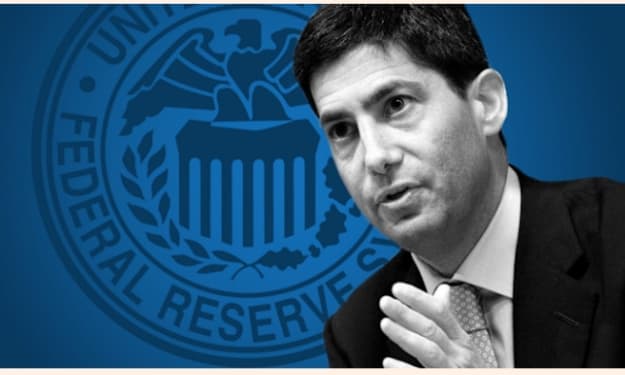
Kevin Warsh: The Fed Chair Nominee Forged by the 2008 Financial Crisis. AI-Generated.
A New Chapter in Federal Reserve Leadership As the United States continues to navigate a complex economic landscape, Kevin Warsh has emerged as a prominent figure. Recently nominated to serve as Chair of the Federal Reserve, Warsh’s appointment is being closely watched by economists, investors, and policymakers alike. His career trajectory, shaped significantly by the 2008 financial crisis, offers insights into how crisis management can define a generation of economic leaders. Early Life and Education Kevin Warsh was born in the late 1970s and displayed early aptitude in economics and finance. His educational path includes: Harvard University, where he earned a degree in Economics Additional studies in public policy and finance, sharpening his understanding of macroeconomic systems These formative experiences equipped him with the analytical tools necessary to navigate volatile economic conditions later in his career. Career Beginnings: From Wall Street to Public Service Warsh’s professional journey began in investment banking and financial consulting, where he gained firsthand experience in financial markets. However, his move into public service marked a turning point: He joined key financial advisory roles, advising policymakers on banking regulation and economic policy His early experience during the dot-com bubble and the housing market fluctuations provided a solid foundation for understanding systemic risk By the time the 2008 financial crisis struck, Warsh was already positioned to play a significant role in shaping policy responses. The 2008 Financial Crisis: Defining Moment The 2008 global financial crisis tested the resilience of the U.S. economy and the world at large. Kevin Warsh became a key advisor in navigating the crisis: He worked on strategies to stabilize the banking system Contributed to the Federal Reserve’s emergency measures Provided input on monetary policy decisions, including interest rate adjustments and liquidity injections Observers note that this period was formative for Warsh, forging his reputation as a crisis-ready economist. His hands-on involvement gave him deep insights into systemic vulnerabilities and the importance of proactive policy intervention. Nomination to Federal Reserve Chair Kevin Warsh’s nomination as Fed Chair reflects confidence in his experience and strategic thinking. Analysts expect him to: Address inflationary pressures while supporting economic growth Oversee monetary policy adjustments with a keen understanding of market reactions Promote financial stability, drawing on lessons from previous crises His leadership style is described as analytical, cautious, and forward-looking, qualities shaped by the high-stakes environment of 2008. Economic Philosophy and Policy Approach Warsh is known for a balanced, data-driven approach to economic policy: Emphasis on financial stability: He prioritizes reducing systemic risk while supporting growth Pragmatic monetary policy: Decisions are guided by empirical data rather than ideological biases Focus on long-term planning: Recognizes the need to anticipate market shifts and structural changes This philosophy positions him as a Fed Chair capable of navigating both short-term shocks and long-term challenges. Challenges Ahead Warsh faces a complex economic environment: Inflation fluctuations post-pandemic Global economic uncertainty, including trade tensions and geopolitical risks Technological disruption in financial markets, including digital currencies and fintech innovations His experience during the 2008 crisis may provide a roadmap for managing unexpected economic turbulence while maintaining public and market confidence. Criticism and Public Perception While Warsh has strong credentials, some critics highlight potential concerns: Connections to Wall Street could raise perceptions of bias toward financial institutions His measured, analytical style may be seen as less bold during urgent crises Navigating political pressures from Congress and the Executive branch could challenge independence Supporters, however, argue that experience during past crises outweighs these concerns, positioning him as a competent and steady leader. Impact of His Leadership If confirmed, Kevin Warsh’s tenure could influence: Interest rates and borrowing costs for businesses and consumers Financial regulations, potentially strengthening safeguards against systemic risks Global confidence in U.S. economic policy, especially among international investors His leadership may also set precedents for how future Fed Chairs respond to economic shocks and crises. Lessons from Kevin Warsh’s Career Warsh’s journey offers several takeaways: Crisis shapes leaders: Real-world challenges provide practical experience that cannot be replicated in textbooks Analytical thinking is essential: Data-driven approaches are crucial for complex economic decisions Resilience matters: Long-term success in economic policy requires the ability to adapt under pressure For aspiring economists and policymakers, Warsh exemplifies how experience, preparation, and analytical rigor combine to form effective leadership. Conclusion: A Fed Chair Forged by Crisis Kevin Warsh’s nomination as Federal Reserve Chair is not just a career milestone—it symbolizes the rise of a generation of economic leaders molded by financial crises and global uncertainty. His experience, particularly during the 2008 financial meltdown, gives him a unique perspective on risk management, monetary policy, and systemic stability. As the U.S. faces new economic challenges, Warsh’s leadership will be closely watched, both domestically and internationally. The lessons from his career highlight the importance of preparedness, insight, and adaptability, qualities essential for navigating the complex world of modern finance.
By Zahid Hussain10 days ago in The Swamp
Off the Book
It ended like every other stupid idea: badly, and by himself. He stated, “I’m researching digital confession ethics.” A tech ethics expert. He pointed at floating data I couldn’t see, then pulled out a physical notebook. Real paper. A fountain pen. He held it up like scripture.
By Silent Truth 10 days ago in Education
How M&A Consulting Firms Create Sustainable Value Through Post-Merger Optimization
Strategic Intent and Value Architecture Post-merger optimization begins with clarity of intent. M&A consulting firms focus on articulating a coherent value architecture that defines how the combined organization will outperform its standalone predecessors. This architecture becomes the reference point for every post-deal decision. It anchors integration efforts in economic reality rather than aspiration. When strategic intent is explicit, optimization initiatives gain coherence and momentum.
By Fida Hassain10 days ago in Journal
Five Places That Feel Nothing Alike but Stay With You Forever
Some places leave you impressed for a moment. Others stay with you long after you return home. It is not always about how far you go or how much you see. It is about how a place fits into your life at a certain moment.
By Sonam Kohli10 days ago in Journal
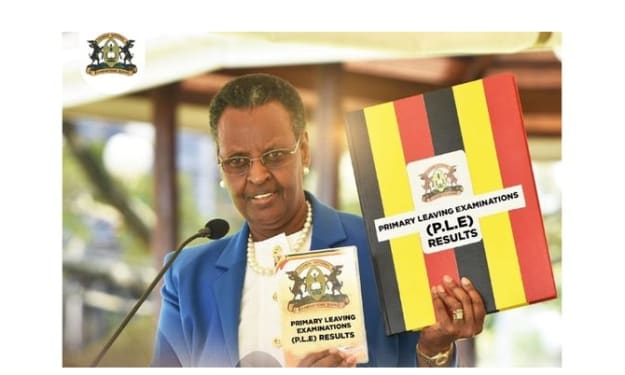
PLE Results: Girls Outsmart Boys in English Subject. AI-Generated.
A Surprising Trend in PLE Results The recent Primary Leaving Examination (PLE) results have revealed an interesting trend: girls have outperformed boys in the English subject. While both genders showed commendable performance overall, the data indicates that girls not only scored higher on average but also dominated the top achievers list. This trend raises questions about the factors contributing to girls’ success in English, the implications for teaching strategies, and what it means for future academic and career trajectories. Understanding the PLE and Its Importance The Primary Leaving Examination is a national assessment taken by students at the end of primary school. It is crucial because: Determines eligibility for secondary school Assesses students’ mastery of core subjects such as English, Mathematics, Science, and Social Studies Provides insights into educational performance trends across the country English, in particular, is a key subject because proficiency in it often correlates with future academic success and access to higher education. Girls Lead in English: What the Numbers Say According to official statistics: A larger proportion of girls scored in the Distinction and Credit categories compared to boys Girls accounted for the majority of top-scoring students in English across most districts The average score for girls in English was noticeably higher than that of boys This demonstrates a consistent pattern of female academic excellence in language skills. Why Are Girls Excelling in English? Several factors may explain this trend: 1. Reading and Comprehension Habits Studies suggest that girls are more likely to read extensively, which strengthens vocabulary, comprehension, and writing skills. In contrast, boys often engage less in reading outside the classroom. 2. Classroom Behavior and Focus Teachers report that girls tend to be more attentive, disciplined, and consistent in completing assignments, which positively impacts their English proficiency. 3. Motivation and Communication Skills English requires clear communication, both written and spoken. Girls often show higher motivation to communicate effectively, which translates into better performance in exams. 4. Support from Home and Community In many regions, parents encourage girls to excel academically, especially in language-related subjects, recognizing the long-term benefits for education and career opportunities. Implications for Boys’ Learning While girls are leading in English, this trend also highlights a need to support boys in language learning. Educators suggest: Encouraging boys to read more widely Using interactive and practical teaching methods to engage male students Mentoring programs to boost confidence in writing and communication Addressing these gaps ensures that boys can perform at their potential without being left behind. Teacher Perspectives Teachers nationwide have shared insights: “Girls tend to take their homework seriously and practice more at home,” said one English teacher. “Boys often excel in Mathematics and Science but struggle with reading and writing tasks,” noted another. Many educators suggest introducing innovative classroom strategies to make English more appealing to boys. Student Perspectives Students themselves have reflected on the trend: Female students credit regular reading, essay practice, and speaking exercises. Male students acknowledge the need to improve vocabulary and writing skills, with some stating they plan to read more books and newspapers. These perspectives provide a window into how study habits affect performance in English. Impact on Secondary Education Choices Excelling in English opens doors for students to: Join elite secondary schools with competitive entry requirements Pursue subjects that rely heavily on English proficiency, such as literature, journalism, law, and international studies Build a foundation for career advancement, as English remains a critical language in professional settings Therefore, girls’ success in English could have long-term benefits for their academic and career prospects. Regional Patterns and Variations The trend of girls outperforming boys is not uniform across all districts. Some regions showed smaller gaps, while others had significant differences. Factors contributing to these variations include: Quality of schools and teachers Access to learning resources such as libraries and English materials Community and parental support Understanding these patterns can help policymakers target interventions to improve English proficiency for all students. Government and Policy Response The Ministry of Education has noted this trend and plans to: Develop programs to support boys in language learning Promote reading culture among primary school students Provide training for teachers on innovative English teaching techniques These steps aim to ensure that all children, regardless of gender, have equal opportunities to excel in English. Conclusion: A Positive Shift in Education The PLE results underscore a positive development in girls’ education, highlighting their dedication and capability in mastering English. At the same time, the trend provides an opportunity to address gaps in boys’ learning, ensuring balanced educational outcomes. As schools, teachers, and communities respond to these findings, the future of English education looks promising, with potential for higher literacy, improved communication skills, and more equitable academic success.
By Zahid Hussain10 days ago in The Swamp
Salvage, Crime, and a Smile to Die For
Working salvage is the worst job for meeting people. We don full body environsuits, usually the clunkiest, oldest ones that could make a bodybuilder look like a sack of potatoes. What it does to ordinarily built people like myself is even worse.
By Leigh Victoria Phan, MS, MFA10 days ago in Fiction