
It ended like every other stupid idea:
badly, and by himself.
He stated, “I’m researching digital confession ethics.”
A tech ethics expert. He pointed at floating data I couldn’t see, then pulled out a physical notebook. Real paper. A fountain pen. He held it up like scripture.
Is that true?
To make it easier to follow, I cleared space on my desk for his notes.
“What do you think?” he asked. Thoughtfully.
“You work in the dead zones. Do you still feel the need to confess?”
I said, “Everyone confesses now. Continuously. The implants auto-report. Your algorithms automatically adjust. Need doesn’t matter when it’s mandatory.”
Off-grid PI with a damaged implant who cannot auto-report — ideal for cases you don’t want logged.
That’s how I tried to market myself. Not a magnet for customers.
Someone who cannot be tracked cannot be trusted.
He said he had a three-year grant to study analog confessional practices.
Theology of surveillance.
How divine witness had been replaced by machines.
I made the mistake of asking where.
The confession booth is deep in the dead zone, he said.
“I need a person who can take me there. Someone whose implants won’t fail. And when we get there, I must observe real-life analog confessional behavior. A person who continues to perform the ritual.”
“You mean me?”
That’s you.
My partner used to say she couldn’t handle the noise.
The neurologist called it sensory overload.
Cognitive integration failure. Neural implant rejection.
Unusual for adult installation. Repairs not covered by insurance.
No city programs for people who disconnect.
But he’d be thrilled to hire me for work that needed to stay off the books.
“That’s really something,” I said.
“It’s called keeping a job.”
Without it, I wouldn’t last a week.
He studied my office.
“Fascinating space. Very ambiguous.”
He was from the Compliance Institute downtown.
Full surveillance. Optimal connectivity.
He loved dead zones.
He’d never been in one this isolated.
My second client arrived.
Her implants were glitching.
I guided her through breathing.
Manual override.
“It’s just quiet,” I told her. “You’ll adjust.”
She nodded. Steadier.
The ethicist told her as she left,
“They need you.”
I liked being needed.
But to make a career out of other people’s desperation,
you have to be broken.
“What do you do in your spare time?” he asked.
Smoke alone.
Be rude to memories.
Try to sleep before phantom notifications start.
My broken implants still think they’re receiving messages.
“Check the perimeter,” I said aloud.
Walking the dead zone keeps me from spiraling.
Cataloging blind spots.
Testing sight lines.
Quiet surveillance.
Sometimes I stand at the border where surveillance begins,
just to remind the algorithms I’m still here.
Going to the confession booth together wasn’t that weird.
Researchers need liminal spaces.
Field work.
Standard escort service.
Beyond the last surveillance outpost, the booth sat deep in my territory.
Deep enough to feel safe.
Deep enough to hurt.
My implants phantom-pinged.
His didn’t.
“This is perfect,” he said.
“Now show me. How you would actually use it.”
Demonstrate.
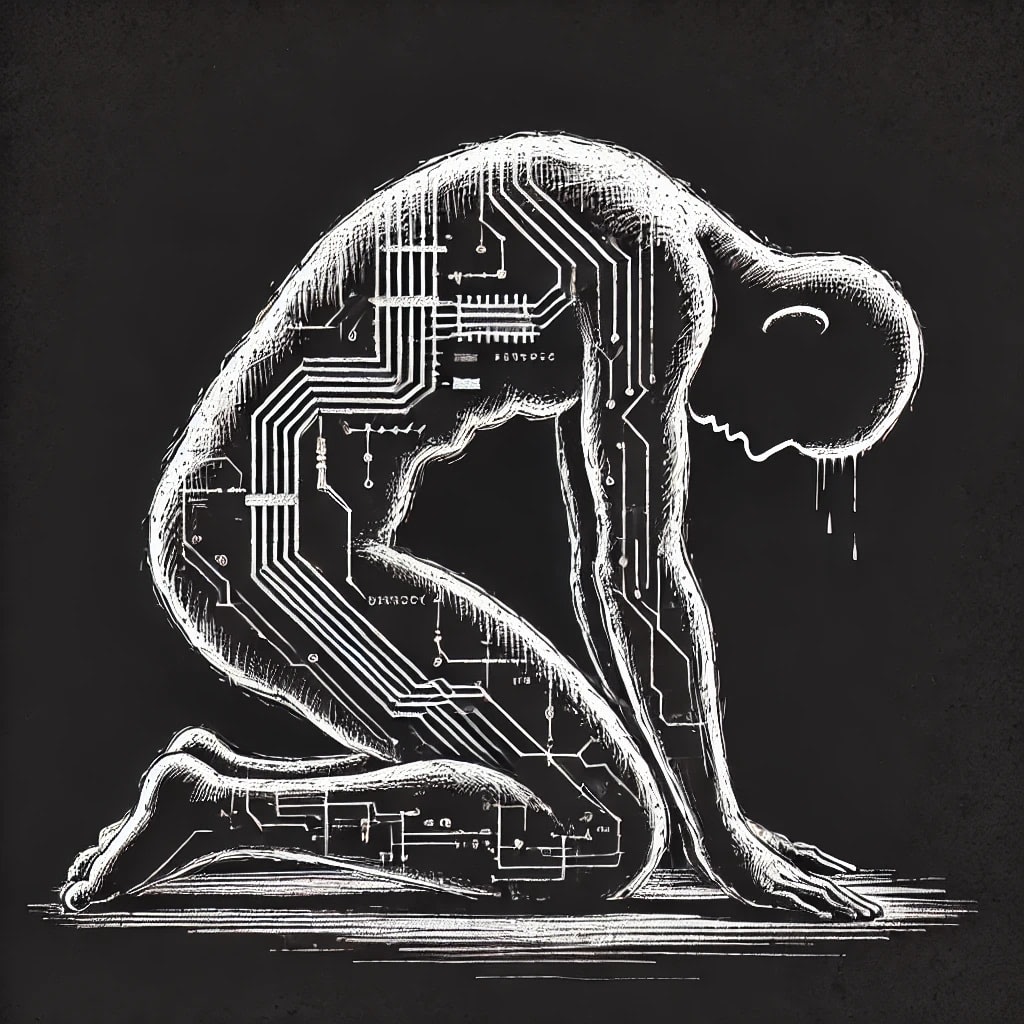
The wood was old and smooth under my knees.
Heavy with decades of other people’s guilt.
I’d done this before.
Not for him.
Then he pulled out more equipment.
Scanners.
Mapping tools.
Compliance Institute gear.
“Just documenting the architecture,” he said.
“The neural patterns. Baseline behavior. Preservation study.”
And then I understood.
Preservation becomes cataloging.
Cataloging becomes targeting.
Targeting becomes elimination.
Within a week, the booth would be gone.
Flagged.
Demolished.
Archived.
Everyone who had needed it.
Everyone who had hidden here.
Everyone who needed somewhere the algorithms couldn’t see.
Confession was not difficult.
I had destroyed the only place left
where confession mattered.
About the Creator
Keep reading
More stories from Silent Truth and writers in Education and other communities.
City’s Arts Funding Preserved for Next Three Years
A Victory for Local Arts In a major win for the city’s creative sector, officials have announced that arts funding will be preserved for the next three years. This decision comes after months of discussions between policymakers, arts organizations, and community leaders who emphasized the critical role arts play in the social, economic, and cultural vitality of the city.
By Aarif Lashari4 days ago in Education


Comments
There are no comments for this story
Be the first to respond and start the conversation.