Latest Stories
Most recently published stories on Vocal.
The Labyrinth of the Heart: Understanding the Female Psychology in Extramarital Affairs
In the complex tapestry of human relationships, extramarital affairs remain one of the most misunderstood and judged phenomena. While society often views these connections through a lens of morality, there is a profound psychological landscape beneath the surface—particularly for women.
By Elena Vance 10 days ago in Psyche
Pakistan Foils Major Terror Plot as 12 Locations Hit in Balochistan. AI-Generated.
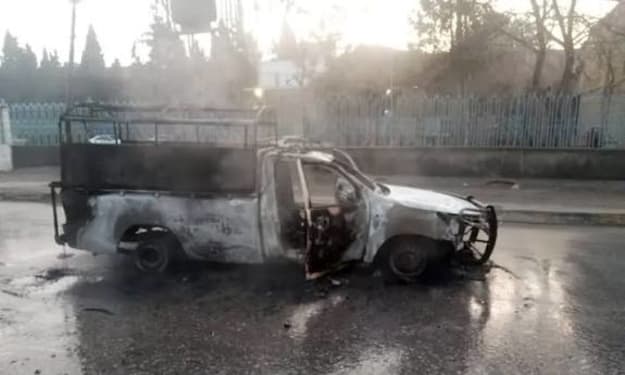
Pakistan’s security forces successfully foiled a major terror plot after militants launched coordinated attacks at 12 different locations across Balochistan, triggering intense clashes and large-scale counterterrorism operations. The synchronized assaults targeted security checkpoints, government installations, and key transport routes, but were swiftly repelled by law enforcement agencies, preventing what officials described as a potentially devastating escalation of violence. According to security sources, the attacks were carried out almost simultaneously, indicating a high level of planning and coordination by militant networks. The objective appeared to be creating widespread panic, disrupting governance, and challenging the authority of the state in one of the country’s most sensitive provinces. Residents in several districts reported heavy gunfire and explosions that lasted for hours, forcing families to remain indoors and bringing daily life to a standstill. Security forces responded immediately by sealing off the affected areas and deploying reinforcements. Ground troops, supported by aerial surveillance, launched counteroffensive operations to track and neutralize the attackers. Multiple militant hideouts were destroyed during clearance missions, and significant quantities of weapons, ammunition, and explosives were recovered. Officials also confirmed the seizure of communication equipment believed to have been used to coordinate the attacks. A senior security official stated that the operation demonstrated the preparedness and resolve of Pakistan’s security institutions. “The militants attempted to execute a large-scale terror plan through synchronized strikes. Their efforts were thwarted due to timely intelligence and rapid action by our forces,” the official said, adding that investigations were underway to identify the planners and facilitators behind the plot. Balochistan has long faced security challenges due to its vast terrain, porous borders, and long-standing political and economic grievances. The province’s rugged landscape has often been exploited by militant and separatist groups seeking to establish bases in remote areas. Analysts believe the latest attacks represent an attempt by extremist factions to reassert their presence and undermine recent improvements in the security situation. The provincial government condemned the attacks in strong terms and praised the bravery of security personnel involved in the operation. In an official statement, the Chief Minister said that enemies of peace would not be allowed to destabilize the province. “The courage and professionalism of our security forces have once again protected the people of Balochistan from a major tragedy. We remain committed to eliminating terrorism in all its forms,” the statement read. Hospitals in Quetta and surrounding districts were placed on emergency alert following the clashes. While most of the casualties were reported among militants, several security personnel sustained injuries and were shifted to medical facilities for treatment. Authorities did not disclose exact figures regarding the wounded, citing operational sensitivity and the ongoing nature of the missions. At the federal level, high-level security meetings were convened to review the situation and enhance coordination among intelligence and law enforcement agencies. Officials emphasized the importance of intelligence-sharing and preventive measures to counter future attempts at coordinated violence. “This incident highlights the evolving tactics of militant groups and the need for continuous vigilance,” a spokesperson for the interior ministry said. The attacks also caused temporary disruption to civilian life. Markets in some districts were closed as a precautionary measure, and traffic on major highways was restricted due to security checkpoints and roadblocks. Educational institutions in certain areas suspended classes, while residents were advised to avoid unnecessary travel until the situation stabilized. Security experts stress that while military and law enforcement operations are essential to counter immediate threats, long-term peace in Balochistan requires addressing deeper socio-economic and political issues. Persistent underdevelopment, unemployment, and feelings of marginalization have been identified as factors that militant groups exploit to gain support. “A sustainable solution lies in combining security measures with development initiatives and political engagement,” said a security analyst based in Islamabad. Investigations are currently underway to determine whether the coordinated attacks had external links or were supported through cross-border networks. Intelligence agencies are tracing financial and logistical channels used by the militants to dismantle their operational structures and prevent similar incidents in the future. Officials have also increased surveillance in sensitive areas to deter any follow-up attacks. As clearance operations continue, security forces remain on high alert across the province. Additional checkpoints have been established, and patrols intensified in vulnerable districts. Authorities have assured the public that the situation is under control and that every effort is being made to restore normalcy. The foiling of the major terror plot marks a significant success for Pakistan’s counterterrorism efforts and sends a strong message to militant groups seeking to destabilize the region. While the immediate threat has been neutralized, officials acknowledge that sustained vigilance and comprehensive strategies will be required to ensure lasting peace in Balochistan. The recent events serve as a reminder of the fragile security environment in the province and the continuing struggle against extremism. Through a combination of swift military action, intelligence coordination, and long-term development policies, Pakistan aims to prevent future attempts to disrupt stability and safeguard the lives of its citizens.
By Fiaz Ahmed 10 days ago in The Swamp
Tempus Fugit
Introduction An old piece but still the same for me. Many people ask me how I find the time to do the things that I do, while I feel that I just do not do enough, and am not supportive enough. I have just returned from a day in Scotland, including about eight hours on a train, which included getting an unexpected electric shock, leaving me with a fried middle finger. I wasn't too sure if I would be able to type, but some Germolene has done it well and it now just feels a bit itchy and very red.
By Mike Singleton 💜 Mikeydred 10 days ago in FYI
Balochistan on High Alert After Simultaneous Militant Attacks Leave 58 Dead. AI-Generated.
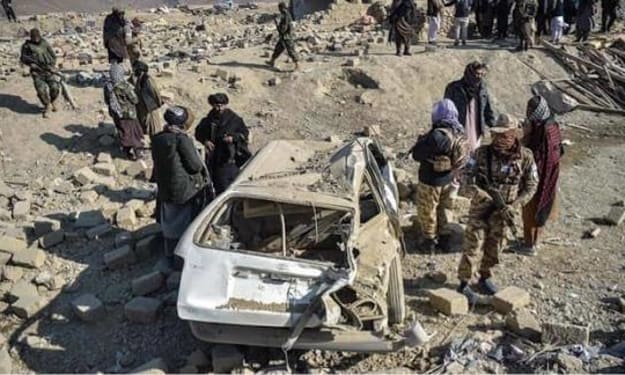
Balochistan has been placed on high alert following a wave of simultaneous militant attacks across multiple districts that resulted in the deaths of at least 58 militants after fierce clashes with security forces. The coordinated nature of the assaults has raised serious concerns about the evolving tactics of extremist groups and the ongoing security challenges facing Pakistan’s largest province. According to official sources, the attacks were launched almost at the same time in several locations, targeting security checkpoints, government facilities, and key transportation routes. The sudden outbreak of violence created panic among local communities, with residents reporting heavy gunfire and explosions lasting for hours. In response, security forces quickly sealed off affected areas and launched large-scale counterterrorism operations to neutralize the attackers and prevent further damage. Authorities stated that the militants attempted to overwhelm security positions through synchronized strikes, but their efforts were foiled due to the swift and coordinated response by law enforcement agencies. Ground troops, supported by aerial surveillance, engaged the attackers in intense skirmishes. Several militant hideouts were destroyed, and large quantities of weapons, ammunition, and explosives were recovered during search and clearance operations. A senior security official confirmed that at least 58 militants were killed in the clashes, while operations are still ongoing in remote and mountainous areas where some suspects managed to flee. “Our forces are conducting comprehensive clearance missions to ensure that no militant elements remain active. The situation is under control, but vigilance remains high,” the official said. Balochistan’s strategic location and rugged terrain have long made it vulnerable to militant and insurgent activity. The province shares borders with Afghanistan and Iran, and its vast, sparsely populated areas have often been exploited by extremist groups to establish bases and movement corridors. Analysts believe the latest attacks reflect an attempt by these groups to reassert their presence and challenge the state’s authority through high-impact operations. The provincial government strongly condemned the attacks, calling them an assault on peace and stability. In a statement, the Chief Minister praised the courage of security personnel and expressed solidarity with the families affected by the violence. “These cowardly acts will not weaken our resolve. We will continue our efforts to eradicate terrorism and restore lasting peace in Balochistan,” the statement read. Medical facilities across Quetta and nearby districts were placed on emergency alert to handle casualties. While most of the reported deaths were militants, several security personnel were injured in the line of duty and shifted to hospitals for treatment. Authorities have not disclosed the exact number of injured officers, citing security reasons and the ongoing nature of the operations. The federal government also took notice of the situation, convening high-level security meetings to assess the threat and coordinate intelligence-sharing among agencies. Officials emphasized the need for stronger surveillance and preventive measures to stop similar attacks in the future. “This incident highlights the importance of proactive intelligence and close coordination between federal and provincial institutions,” a spokesperson for the interior ministry said. For civilians, the violence caused temporary disruption to daily life. Markets in some districts were closed as a precaution, and traffic along major highways was restricted due to security checkpoints and roadblocks. Educational institutions in certain areas suspended classes, while residents were advised to avoid unnecessary travel. Many expressed fear over the return of large-scale violence after a period of relative calm in parts of the province. Security experts argue that while such operations are necessary to counter immediate threats, long-term peace in Balochistan requires addressing deeper social and economic issues. Lack of development, unemployment, and political grievances have often been cited as factors that contribute to instability. “Military action alone cannot resolve the conflict. Sustainable peace depends on investment in education, healthcare, and infrastructure, along with political dialogue,” said a security analyst based in Islamabad. Investigations are currently underway to determine the origins of the coordinated attacks and whether they were linked to cross-border movements or external support networks. Intelligence agencies are tracing communication and financial channels used by the militants to dismantle their networks and prevent future incidents. As security forces maintain a high state of alert and continue clearance operations, the situation in Balochistan remains tense but largely under control. Additional checkpoints have been established in sensitive areas, and patrols have been increased to ensure public safety. The coordinated nature of the attacks serves as a reminder of the persistent threat posed by militant groups and the need for constant vigilance. With at least 58 militants killed and several networks disrupted, the recent operation marks a significant blow to extremist activity in the province. However, authorities acknowledge that sustained efforts will be required to ensure lasting stability. The events underscore the fragile security environment in Balochistan and the importance of a comprehensive strategy combining security, intelligence, and development to prevent future violence and protect the lives of citizens.
By Fiaz Ahmed 10 days ago in The Swamp
Bad. Content Warning.
Introduction An old free-form poem inspired by bad people I knew, and this is how I feel some are with me today Bad ⬛🖤⚫☠️⚫🖤⬛ You Only Smile At My Misery You Push Me Out Blame Me ☠️ You Break Things It's My Fault Look What I Made You Do That Person You Beat Up It Was Their Fault ☠️ Because They Were There And The Crowd Say You Are The One ☠️ They Will Follow They Will Be Like You They Will Hurt They Will Destroy That Is The Way To Be Always And Forever ⬛🖤⚫☠️⚫🖤⬛
By Mike Singleton 💜 Mikeydred 10 days ago in Poets
At Least 58 Terrorists Killed in Balochistan as Security Forces Repel Coordinated Attacks at 12 Locations. AI-Generated.
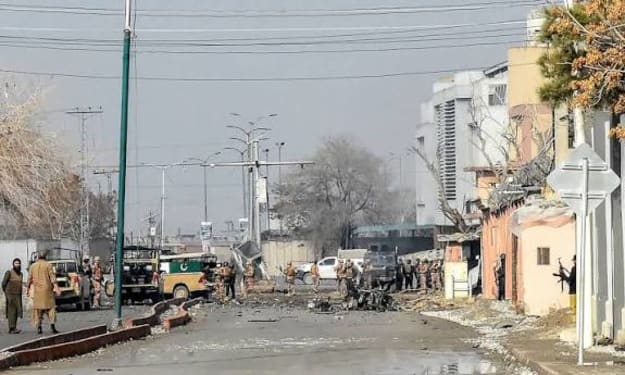
Balochistan witnessed one of its most intense security operations in recent months after militants launched coordinated attacks at 12 different locations across the province. The synchronized assaults targeted security checkpoints, government installations, and key transportation routes, prompting an immediate and large-scale response from Pakistani security forces. According to official sources, at least 58 terrorists were killed in the ensuing clashes, while search and clearance operations are still underway in several sensitive districts. The attacks were carried out almost simultaneously, indicating a high level of planning and coordination among militant groups. Authorities stated that the objective of the attackers appeared to be creating panic, disrupting law and order, and demonstrating their operational reach. Residents in affected areas reported hearing heavy gunfire and explosions for several hours, forcing many families to stay indoors and suspend daily activities. Security forces reacted swiftly by sealing off the targeted zones and deploying reinforcements. Ground troops, supported by aerial surveillance, launched counteroffensive operations to neutralize the attackers and prevent further damage. Officials confirmed that multiple militant hideouts were destroyed during the operations and large quantities of weapons, ammunition, and explosives were recovered. Communication equipment and documents believed to be linked to militant networks were also seized for further investigation. A senior security official, speaking on condition of anonymity, said that the death toll could rise as operations continue in remote and mountainous areas. “Our forces are conducting thorough clearance missions to ensure that no militant elements remain in the region. The coordinated attacks were an attempt to destabilize the province, but they have been effectively repelled,” the official said. Balochistan has long faced complex security challenges due to its vast geography, porous borders, and long-standing political and economic grievances. Militant and separatist groups have exploited these factors over the years to establish networks in remote areas. Analysts believe the recent attacks reflect a renewed effort by extremist factions to regain influence and challenge the authority of the state. The provincial government strongly condemned the attacks and praised the bravery of security personnel involved in the operation. In an official statement, the Chief Minister described the militants as enemies of peace and assured the public that the government would not allow such elements to disrupt stability. “The sacrifices of our security forces will not go in vain. We are committed to eliminating terrorism and restoring lasting peace in Balochistan,” the statement read. Hospitals in Quetta and nearby districts were placed on emergency alert following the clashes. While most of the casualties were reported among militants, several security personnel sustained injuries during the operations and were shifted to medical facilities for treatment. Authorities have not released detailed figures regarding the wounded, citing operational sensitivity and ongoing missions. The federal government also convened high-level security meetings to review the situation and strengthen coordination among intelligence and law enforcement agencies. Officials emphasized the need for enhanced intelligence-sharing to prevent future coordinated attacks. “This incident highlights the evolving tactics of militant groups and the importance of remaining vigilant,” a federal interior ministry spokesperson said. For local communities, the violence caused temporary disruption to daily life. Markets in some districts were closed, and transport services along major highways were suspended due to security checkpoints and roadblocks. Educational institutions in certain areas announced temporary closures as a precautionary measure. Despite these challenges, many residents expressed relief that security forces were able to quickly regain control and prevent a larger tragedy. Security experts stress that while military operations are necessary to counter immediate threats, long-term peace in Balochistan requires addressing deeper socio-economic and political issues. Development initiatives, improved access to education and healthcare, and greater political inclusion are seen as essential for reducing the appeal of militancy. “A comprehensive approach that combines security measures with development is crucial for sustainable stability,” said a security analyst based in Islamabad. Investigations are currently underway to determine the origins of the coordinated attacks and whether they were linked to cross-border movements or external support networks. Intelligence agencies are tracing the financial and logistical channels used by the attackers to prevent similar incidents in the future. As security forces continue clearance operations and maintain a high state of alert, the situation in Balochistan remains tense but largely under control. The coordinated nature of the attacks underscores the persistent threat posed by militant groups, while the swift response of security forces highlights the state’s determination to protect its citizens. With at least 58 terrorists killed and several networks dismantled, the recent operation marks a significant blow to militant activity in the province. However, authorities acknowledge that sustained efforts will be required to ensure lasting peace and prevent future attempts to destabilize the region. The events serve as a reminder of the fragile security environment and the ongoing struggle against extremism in Balochistan.
By Fiaz Ahmed 10 days ago in The Swamp
Can You Guess Our Screen Time? A Priest, Pensioner, Tech CEO, and Teenager Reveal All. AI-Generated.
In today’s digital age, screen time affects everyone—whether you’re managing a company, leading a community, staying in touch with family, or navigating school life. To understand how much time people really spend staring at devices, we spoke to four individuals from different walks of life: a priest, a pensioner, a tech CEO, and a teenager. Their answers highlight just how varied—and sometimes surprising—screen habits can be.
By Aarif Lashari10 days ago in Earth