
Israeli Strikes Kill 23 Palestinians, Including Children, as Gaza Ceasefire Inches Forward
Renewed violence in Gaza leaves civilians dead as ceasefire negotiations struggle to hold.

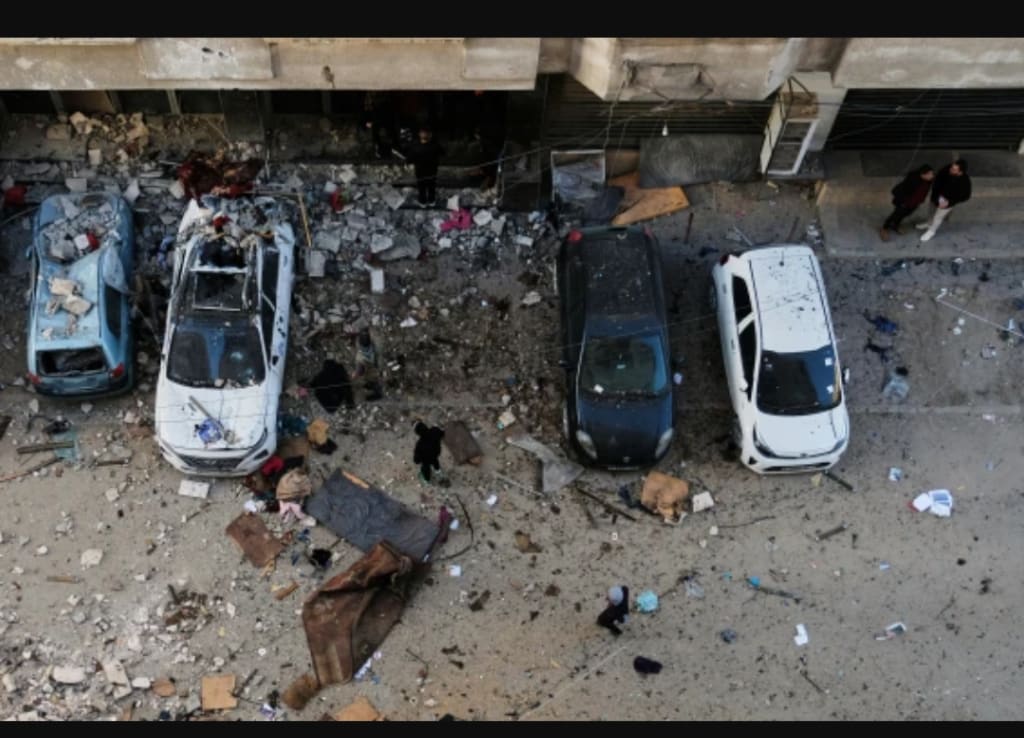
As hopes for a lasting ceasefire in Gaza slowly build, renewed Israeli airstrikes have once again shattered fragile optimism. At least 23 Palestinians, including children and women, were killed in the latest round of attacks across the Gaza Strip, according to hospital officials. The strikes occurred at a critical moment when international mediators are pushing to turn a temporary truce into a more durable ceasefire agreement.
The incident highlights the ongoing volatility of the conflict, where diplomatic progress and deadly violence continue to unfold side by side.
Deadly Airstrikes Across Gaza
Medical sources in Gaza reported that Israeli strikes hit multiple locations, including residential neighborhoods, a police station, and a tent camp sheltering displaced families. One of the deadliest attacks occurred in southern Gaza’s Khan Younis, where a strike sparked a fire at a tent site, killing several members of the same family, including young children.
Hospitals already overwhelmed by months of fighting struggled to respond. Doctors at Gaza City’s largest medical facilities described scenes of chaos, with limited supplies and overcrowded emergency rooms as casualties arrived in quick succession.
Local authorities stated that the victims were civilians, adding to the growing list of non-combatants killed since the conflict began.
Ceasefire Talks Continue Despite Escalation
The strikes come as negotiators from the United States, Egypt, and Qatar work to advance the next phase of a ceasefire framework between Israel and Hamas. The proposed agreement aims to reduce hostilities, expand humanitarian access, and reopen critical crossings — including the Rafah border crossing with Egypt — for medical evacuations and civilian movement.
While a temporary pause in fighting has reduced large-scale ground operations, airstrikes and isolated clashes have continued. Gaza’s Health Ministry reports that hundreds of Palestinians have been killed since the ceasefire was initially announced, raising concerns about whether the truce is holding in practice.
For civilians in Gaza, the ceasefire feels uncertain and incomplete — more a pause than a path to peace.
Conflicting Claims From Both Sides
Israeli officials have defended recent strikes as targeted operations responding to alleged ceasefire violations by militant groups. However, detailed evidence regarding specific military targets has not been publicly released.
Hamas and Gaza authorities, on the other hand, accuse Israel of repeatedly striking civilian areas and undermining ceasefire negotiations. This ongoing exchange of blame has made it increasingly difficult for mediators to maintain momentum toward a long-term agreement.
The lack of transparency and independent verification further complicates efforts to establish trust between the parties.
A War With a Heavy Civilian Toll
The current conflict began in October 2023 after a deadly Hamas-led attack on Israel that killed around 1,200 people, most of them civilians. Israel responded with an extensive military campaign in Gaza, leading to widespread destruction and a staggering humanitarian crisis.
Since then, tens of thousands of Palestinians have been killed or injured, according to local health authorities. Entire neighborhoods have been flattened, and essential infrastructure — including hospitals, water systems, and power networks — has been severely damaged.
Children have borne a disproportionate share of the suffering, with many killed, injured, or left traumatized after months of bombardment and displacement.
Humanitarian Crisis Deepens
International aid organizations continue to warn that Gaza is on the brink of humanitarian collapse. Food insecurity, lack of clean water, and limited medical care have made daily survival increasingly difficult for residents.
The potential reopening of border crossings has been welcomed by humanitarian groups, but they stress that aid access alone is not enough. Without a sustained ceasefire, relief efforts remain fragile and easily disrupted by renewed violence.
For displaced families living in tents or damaged buildings, safety remains elusive — as demonstrated by the deadly strike on the Khan Younis encampment.
What Lies Ahead for Gaza
As ceasefire negotiations inch forward, the latest killings underscore how fragile peace efforts remain. Each new strike deepens mistrust and grief, making reconciliation harder and prolonging civilian suffering.
While diplomats continue to push for progress, many Palestinians in Gaza question whether a true end to the violence is within reach. For now, the region remains trapped between uncertain diplomacy and ongoing devastation, with civilians paying the highest price.
Until a comprehensive and enforceable ceasefire is achieved, Gaza’s future — and the lives of its most vulnerable residents — hangs in the balance.
About the Creator
Asad Ali
I'm Asad Ali, a passionate blogger with 3 years of experience creating engaging and informative content across various niches. I specialize in crafting SEO-friendly articles that drive traffic and deliver value to readers.
EasyJet Faces Scrutiny Over ‘Misleading’ £5.99 Cabin Bag Fee
EasyJet has come under renewed scrutiny after being warned that its £5.99 cabin bag fee could be considered “misleading” by consumer rights advocates. The controversy has reignited a broader debate about transparency in airline pricing and the true cost of flying with low-cost carriers.
By Ayesha Lashari4 days ago in The Swamp
Lib Dems Propose Public War Bond Scheme to Raise £20bn for National Defence
In a bold and visionary move, the UK’s Liberal Democrats (Lib Dems) have called for the introduction of public war bonds aimed at raising a substantial £20 billion to bolster the nation’s defence capabilities. The proposal comes at a time when the UK faces increasing global threats and growing security concerns, particularly with escalating tensions between Russia, China, and other world powers. In their plan, the Lib Dems suggest that ordinary citizens should have the opportunity to directly contribute to national security by purchasing bonds that would fund essential military upgrades and preparedness.
By Ayesha Lashari7 days ago in The Swamp




Comments
There are no comments for this story
Be the first to respond and start the conversation.