Latest Stories
Most recently published stories on Vocal.
7 Books That Make You Want to Chase Your Dreams Now. AI-Generated.
Dreams have a strange way of knocking softly—until one day they start pounding. We’ve all felt it: that restless pull toward something more meaningful, more daring, more us. The problem isn’t a lack of ambition; it’s hesitation, fear, and the weight of the familiar. Books, when chosen wisely, can act like a spark to dry wood—suddenly, motivation catches fire. Below is a list of 7 books that make you want to chase your dreams now.
By Diana Meresc10 days ago in BookClub
Best Free Face Swap of 2026 + AI Image Upscaler. AI-Generated.
Looking for a fun way to create hilarious memes or unique profile pictures? Face swapping lets you place a face from one photo onto another, and the results in 2026 are more realistic than ever. The problem is that many online tools are either hidden behind a paywall, produce blurry results, or are complicated to use.
By Muhammad Owais10 days ago in Futurism
Why and How Learning French Through Business and Entrepreneurship Changes Everything
Many people still learn French the way they learned subjects at school: grammar rules, exercises, vocabulary lists, and a lot of pressure to “do things right.” The problem is that this approach rarely works in the long run. You can do well in a textbook and still freeze the moment you have to speak in real life. Because when it’s time to talk, your brain is not looking for a rule. It’s looking for a reflex. It’s looking for flow. It’s looking for confidence.
By Bubble Chill Media 10 days ago in Education
How People Are Making Money Online in 2026. AI-Generated.
The digital economy has transformed dramatically by 2026, opening new and diverse opportunities for people to earn money online. What once began with simple freelancing and blogging has evolved into a complex ecosystem powered by artificial intelligence, remote work, digital platforms, and global connectivity. Today, millions of individuals across the world rely on online income streams as their primary source of livelihood. From content creation to AI-assisted businesses, the ways people make money online in 2026 reflect innovation, flexibility, and changing work cultures. One of the most popular methods of online earning in 2026 is AI-assisted freelancing. Freelancers now use artificial intelligence tools to enhance productivity in writing, graphic design, video editing, programming, and marketing. Instead of spending hours on manual tasks, workers rely on AI to generate drafts, analyze data, and automate workflows. Platforms offering freelance services have expanded globally, allowing individuals from developing and developed countries alike to work with international clients. Skills such as prompt engineering, AI content optimization, and digital consulting have become highly valuable. Content creation remains a major source of income. Social media platforms, video-sharing websites, and blogging networks now offer multiple monetization models including ad revenue, paid subscriptions, and brand partnerships. Influencers earn through sponsored content, affiliate marketing, and digital merchandise. In 2026, short-form videos and live streaming are among the fastest-growing formats, as audiences prefer quick, engaging content. Niche creators focusing on education, fitness, finance, and technology attract loyal followers and steady income. Another growing trend is online education and digital courses. Experts in various fields create e-learning programs and sell them worldwide. From coding and business skills to personal development and language learning, online courses allow people to monetize knowledge. Virtual classrooms and AI tutors have made learning more interactive and accessible. Many teachers now earn through recorded lessons, private coaching sessions, and subscription-based platforms. E-commerce and dropshipping continue to thrive in 2026, driven by global logistics improvements and digital payment systems. Small business owners sell products without maintaining physical inventory by partnering with suppliers who ship directly to customers. Personalized products, eco-friendly goods, and digital downloads such as templates and artwork are especially popular. Social commerce has also expanded, allowing users to purchase directly through social media apps. The rise of remote corporate jobs has reshaped traditional employment. Many companies now operate without physical offices and hire workers globally. Positions in customer support, data analysis, cybersecurity, and digital marketing are commonly performed online. Employees receive salaries while working from home or co-working spaces, giving them flexibility and better work-life balance. Remote work has also allowed individuals to earn in stronger currencies while living in lower-cost regions. Cryptocurrency and blockchain-based income remain part of the online earning landscape, although more regulated than before. People earn through trading, staking, digital asset creation, and decentralized finance platforms. Non-fungible tokens (NFTs) have evolved into practical digital ownership tools for art, music, and virtual real estate. While risks remain, blockchain technology has provided alternative income sources for tech-savvy individuals. A rapidly expanding area is virtual services in the metaverse. Digital worlds now host events, conferences, and virtual businesses. Designers build virtual spaces, educators teach in immersive classrooms, and entertainers perform in online environments. Virtual fashion, architecture, and property development have become real economic activities. These platforms allow people to sell digital products and services to global audiences. Affiliate marketing has also grown more sophisticated. Individuals promote products and services through blogs, videos, and social platforms, earning commissions for each sale. AI tools now help creators analyze consumer behavior and recommend products more effectively. Trust-based marketing, where audiences rely on expert reviews and honest opinions, has become more important than aggressive advertising. Microtask platforms and digital gigs provide income for those with limited skills or time. Tasks such as data labeling, voice recording, and product testing allow people to earn small but consistent amounts. These opportunities are especially valuable in developing regions where traditional employment is scarce. Despite the wide range of opportunities, challenges remain. Competition is intense, and digital scams continue to target inexperienced users. Success requires digital literacy, adaptability, and continuous learning. Governments and organizations are increasingly investing in digital skills training to prepare citizens for online work. The online economy in 2026 is no longer just about earning extra money—it represents a fundamental shift in how people work and live. With technology breaking down geographic barriers, individuals can build careers based on creativity, knowledge, and innovation rather than location. Those who embrace change, develop skills, and use technology wisely are finding sustainable ways to earn and grow. In conclusion, people are making money online in 2026 through freelancing, content creation, education, e-commerce, remote jobs, blockchain technology, and virtual services. The digital world has become a marketplace of opportunity, offering freedom and flexibility to millions. As technology continues to advance, online income will likely become even more central to the global economy, shaping the future of work for generations to come.
By Fiaz Ahmed 10 days ago in Journal
Mental Health Crisis Grows Worldwide in 2026. AI-Generated.
The year 2026 has emerged as a critical turning point for global mental health, as countries across the world report a sharp rise in anxiety, depression, and stress-related disorders. Health experts warn that the mental health crisis is no longer limited to specific regions or age groups but has become a widespread global challenge affecting millions of people. Economic uncertainty, ongoing conflicts, climate anxiety, and the lasting effects of past pandemics have combined to create an environment of emotional strain and psychological vulnerability. According to international health organizations, cases of depression and anxiety disorders have increased significantly since the early 2020s, with 2026 showing the highest recorded numbers in many countries. Young people, in particular, are among the most affected. Academic pressure, unemployment, social media influence, and fear about the future have contributed to rising levels of stress and emotional exhaustion among teenagers and young adults. One of the main drivers of the mental health crisis is economic instability. Inflation, job insecurity, and rising living costs have placed enormous pressure on families and individuals. Many people struggle to meet basic needs, leading to feelings of hopelessness and fear. In developing countries, limited access to mental health services has worsened the situation, leaving millions without proper diagnosis or treatment. Global conflicts and political instability have also played a significant role in worsening mental health conditions. War zones and refugee communities experience high levels of trauma, grief, and post-traumatic stress disorder (PTSD). Displacement, loss of loved ones, and uncertainty about the future have created long-term psychological scars. Even in peaceful regions, constant exposure to distressing news through digital media has increased fear and emotional fatigue. Climate change has become another powerful contributor to mental distress. Extreme weather events such as floods, wildfires, and heatwaves are not only destroying homes and livelihoods but also affecting emotional well-being. A growing number of people report experiencing “climate anxiety,” a condition marked by fear and helplessness about environmental destruction and the planet’s future. Scientists note that young generations feel especially burdened by the responsibility of facing a crisis they did not create. Technology and social media, while offering connection and information, have also intensified mental health challenges. Excessive screen time, online comparison, cyberbullying, and unrealistic standards of success contribute to low self-esteem and isolation. Many individuals feel pressured to present perfect lives online while struggling privately with emotional pain. Mental health professionals warn that digital dependence can weaken real-life relationships and increase loneliness. Healthcare systems worldwide are struggling to keep up with the growing demand for mental health services. In many countries, there are not enough trained psychologists, psychiatrists, and counselors to treat patients. Long waiting times and high treatment costs prevent people from seeking help. Rural and low-income areas face even greater shortages, creating inequality in access to mental health care. Governments and international organizations are beginning to recognize the urgency of the crisis. In 2026, several countries have launched national mental health strategies focusing on early intervention, public awareness, and workplace mental wellness programs. Schools are introducing mental health education to help students understand stress management and emotional resilience. Employers are also being encouraged to provide counseling services and flexible work arrangements to support employee well-being. Public attitudes toward mental health are slowly changing. There is growing acceptance that mental illness should be treated with the same seriousness as physical illness. Celebrities, athletes, and public figures have spoken openly about their struggles, helping reduce stigma and encouraging others to seek help. Online platforms and mobile apps offering therapy and emotional support have become more popular, making mental health care more accessible for many people. Despite these positive developments, experts warn that much more needs to be done. Mental health funding remains insufficient in many regions, and cultural stigma still prevents individuals from discussing their struggles openly. Suicide rates in certain countries continue to rise, highlighting the urgent need for comprehensive prevention strategies and community-based support systems. The global mental health crisis of 2026 is a reminder that emotional well-being is closely linked to social, economic, and environmental conditions. Addressing the problem requires a collective effort from governments, healthcare providers, educational institutions, and families. Investment in mental health infrastructure, research, and awareness campaigns is essential to prevent long-term consequences. Looking ahead, specialists emphasize the importance of building resilience and promoting healthy lifestyles. Regular physical activity, balanced nutrition, digital detox, and strong social connections can play a key role in improving mental well-being. Communities must create safe spaces for dialogue, understanding, and compassion. As the world faces complex challenges in 2026, mental health has become one of the most pressing global issues. Recognizing the crisis and taking meaningful action will determine whether future generations inherit a society burdened by emotional suffering or one that prioritizes psychological health and human dignity. The path forward depends on unity, empathy, and sustained commitment to mental well-being across all nations.
By Fiaz Ahmed 10 days ago in Longevity
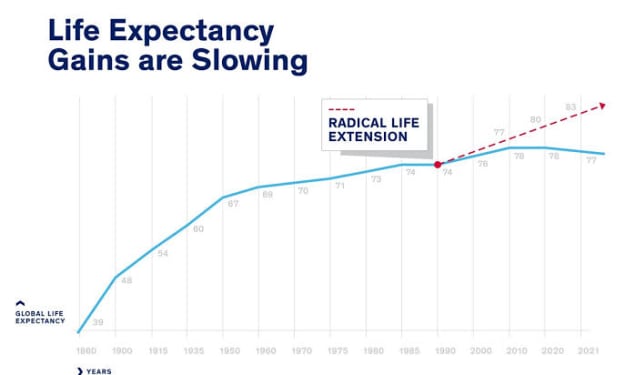
New Medical Technology Extends Human Life Expectancy. AI-Generated.
Advances in medical technology are reshaping the future of healthcare and redefining how long and how well people can live. In recent years, scientists and medical professionals have introduced groundbreaking innovations that are significantly extending human life expectancy. These developments are not only helping to prevent deadly diseases but are also improving quality of life for millions around the world. From artificial intelligence–driven diagnostics to gene therapy and regenerative medicine, the modern healthcare revolution is entering a new era of longevity. One of the most important contributors to increased life expectancy is early disease detection through advanced diagnostic technology. Artificial intelligence (AI) is now being used to analyze medical scans, blood tests, and genetic data with remarkable accuracy. AI-powered systems can identify signs of cancer, heart disease, and neurological disorders at much earlier stages than traditional methods. Early diagnosis allows doctors to begin treatment before diseases become life-threatening, significantly improving survival rates. Another major breakthrough lies in personalized medicine. Instead of using the same treatment approach for every patient, doctors can now tailor therapies based on an individual’s genetic profile. This approach ensures that medications and treatments are more effective and produce fewer side effects. Personalized cancer treatments, for example, target specific genetic mutations within tumors, leading to higher recovery rates and longer patient survival. Regenerative medicine has also emerged as a powerful force in extending human life. Stem cell therapy and tissue engineering are enabling the repair or replacement of damaged organs and tissues. Scientists have successfully grown human skin, cartilage, and even parts of organs in laboratories. These technologies offer hope to patients suffering from organ failure, spinal injuries, and degenerative diseases. Instead of relying solely on organ transplants, future patients may receive lab-grown tissues that match their own bodies, reducing rejection risks and increasing life expectancy. Wearable health technology has transformed preventive care and daily health monitoring. Smartwatches and health-tracking devices can now measure heart rate, blood oxygen levels, sleep patterns, and physical activity in real time. These devices alert users to potential health problems before they become serious. For example, irregular heart rhythms or dangerously low oxygen levels can be detected instantly, allowing users to seek medical help quickly. This continuous monitoring empowers individuals to take control of their health and prevent sudden medical emergencies. Robotic surgery is another innovation contributing to longer life expectancy. Surgical robots allow doctors to perform highly precise procedures with minimal invasion. Smaller incisions reduce blood loss, lower the risk of infection, and shorten recovery times. Patients who once faced long hospital stays can now return to normal life much faster. Robotic-assisted surgeries are especially effective in heart operations, cancer treatments, and complex neurological procedures. Gene editing technologies, such as CRISPR, have opened new possibilities in preventing inherited diseases. Scientists can now modify faulty genes responsible for conditions like sickle cell anemia, muscular dystrophy, and certain cancers. While still under strict ethical and regulatory review, gene therapy holds the promise of eliminating genetic disorders before they can cause serious harm. This could dramatically increase life expectancy for future generations. Vaccination technology has also advanced significantly. New vaccines are being developed faster and more efficiently using modern biotechnology. These vaccines protect against deadly viruses and emerging infections, preventing large-scale health crises. Improved immunization programs have already helped control diseases that once reduced life expectancy worldwide, such as measles, polio, and influenza. Mental health technology is also playing a growing role in overall longevity. Digital therapy platforms, AI counseling tools, and mobile mental health applications are helping individuals manage stress, anxiety, and depression. Since mental well-being is closely linked to physical health, these innovations contribute to longer and healthier lives by reducing suicide rates and stress-related illnesses. Despite these remarkable achievements, challenges remain. High costs of advanced medical technology limit access in many developing countries. Inequality in healthcare systems means that not everyone benefits equally from these innovations. Ethical questions also arise regarding genetic modification and life-extending technologies. Governments and medical institutions must ensure that these tools are used responsibly and made accessible to broader populations. Experts believe that the future of medicine will focus not only on extending life but also on improving the quality of those extra years. Living longer without good health offers little benefit, so the goal is to create healthier aging through technology, lifestyle changes, and preventive care. In conclusion, new medical technology is transforming human life expectancy in ways once thought impossible. Through AI diagnostics, regenerative medicine, gene therapy, robotic surgery, and digital health tools, people are living longer and healthier lives. While challenges of cost and ethics remain, the progress achieved so far signals a hopeful future. As innovation continues, humanity stands on the edge of a new medical era—one where longer life is not just a dream, but a scientific reality.
By Fiaz Ahmed 10 days ago in Longevity
Top 10 Countries Facing Economic Crisis in 2026. AI-Generated.
As the global economy continues to adjust to post-pandemic realities, geopolitical tensions, climate challenges, and rapid technological shifts, several countries are expected to face serious economic difficulties in 2026. Rising debt levels, inflationary pressures, political instability, and shrinking foreign reserves are placing immense strain on national economies. While economic crises can vary in severity, certain nations stand out due to persistent structural problems and vulnerability to external shocks.
By Fiaz Ahmed Brohi10 days ago in The Swamp
Brazil vs Mexico vs Argentina: Which Country Leads the Latin America AI Market?
The global race for technological dominance is not just happening in Silicon Valley or Beijing; it is rapidly reshaping the economic landscape of Latin America. As businesses shift from experimental pilots to full-scale deployment, the Latin America AI market has become a fierce three-horse race. The primary contenders include Brazil, the undisputed volume leader; Mexico, the industrial manufacturing hub; and Argentina, the region’s resilient talent factory.
By Joey Moore10 days ago in Futurism