Latest Stories
Most recently published stories on Vocal.
It’s the Same Size as Japan, Can Be Seen from Space, and Is a UNESCO World Heritage Site – and It’s Teeming with Thousands of Species. AI-Generated.
There are few places on Earth so massive, so alive, and so extraordinary that they can be seen from space. Stretching across more than 1,400 miles of ocean, covering an area roughly the size of Japan, and hosting an explosion of marine life, the Great Barrier Reef stands as one of nature’s greatest masterpieces.
By Sajida Sikandar5 days ago in Futurism
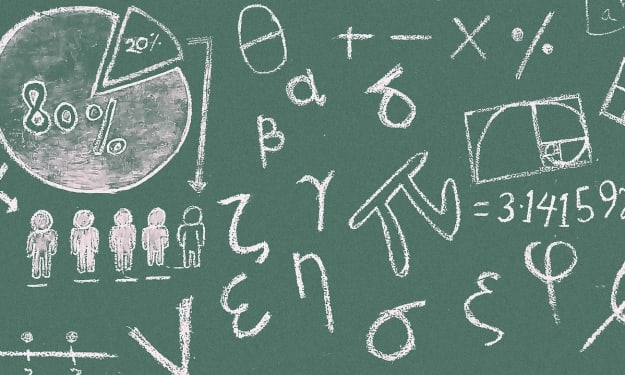
Transforming Math Classrooms for Tomorrow with Casie Hynes. AI-Generated.
Mathematics stands at the core of modern civilization. It shapes how we design infrastructure, manage economies, build digital systems, and interpret scientific discoveries. Despite its undeniable importance, math continues to intimidate and discourage many students. As societies become increasingly driven by data, automation, and innovation, the urgency to modernize mathematics instruction has never been greater. The perspective championed by Casie Hynes offers a thoughtful framework for reshaping math education so it better serves today’s learners and tomorrow’s leaders.
By Casie Hynes5 days ago in Education
Iran ready to discuss compromises to reach nuclear deal, minister tells BBC in Tehran. AI-Generated.
Iran signalled on Sunday that it is prepared to consider “compromises” in long‑running nuclear negotiations with the United States — but only on the condition that Washington engages seriously on the issue of sanctions relief, a senior Iranian official told the BBC in Tehran. The comments, made by Deputy Foreign Minister Majid Takht‑Ravanchi, come as indirect talks between Tehran and Washington are set to resume this week in Geneva, raising cautious hopes of progress after years of stalemate. “We are ready to discuss this and other issues related to our programme if they are ready to talk about sanctions,” Takht‑Ravanchi said in the BBC interview, stressing that Tehran’s willingness to compromise hinges on reciprocal engagement by the United States. “The ball is in America’s court to prove that they want to do a deal,” he added, underscoring his government’s emphasis on U.S. concessions as part of any negotiated settlement. The Business Standard Context of the Talks The comments follow a first round of indirect negotiations between U.S. and Iranian officials that took place earlier this month in Oman, under the auspices of several regional mediators. With the next round scheduled to begin in Geneva, both sides are under pressure to find common ground after years of complex diplomacy. The Business Standard Iran’s position, as outlined by Takht‑Ravanchi and other officials, combines a readiness to discuss curbs on its nuclear programme with firm insistence that sanctions relief must be part of the equation. Tehran has also reiterated that core elements of its programme, including uranium enrichment, remain non‑negotiable — although it has offered potential adjustments, such as diluting highly enriched material, if sanctions are lifted. The Business Standard That position reflects a longstanding sticking point in negotiations: the United States and its allies want strict limits on Iran’s nuclear activities to ensure the programme remains peaceful, while Tehran seeks economic relief and political leverage in return for any constraints. The negotiators hope to revive aspects of the 2015 Joint Comprehensive Plan of Action (JCPOA), which eased Western sanctions in exchange for nuclear limits, though both sides have diverged sharply over how to reconstruct a mutually acceptable framework. The Sanctions Issue at the Forefront Sanctions remain the central issue for Iranian negotiators. Decades of punitive measures — reimposed on Tehran after the United States withdrew from the JCPOA in 2018 — have crippled Iran’s economy, and officials in Tehran have insisted that any credible deal must meaningfully ease those restrictions. Takht‑Ravanchi’s comments make clear that Iran is not prepared to concede nuclear limitations in isolation from broader economic relief. For Iran, sanctions touch ordinary citizens as well as government revenue streams, and easing them could help stabilize its currency and oil exports. But U.S. policymakers — mindful of domestic political dynamics and strategic concerns — have been cautious about how much relief to offer, especially without verifiable limits on Tehran’s nuclear programme. Iran’s readiness to discuss compromises also indicates a nuanced diplomatic posture. While its leaders repeatedly deny seeking nuclear weapons, Western capitals remain sceptical about Tehran’s intentions, given its enrichment of uranium to 60 percent purity — a level close to weapons‑grade — in recent years. Tehran argues such enrichment is for peaceful purposes, but the capability has been a core concern for U.S. negotiators. The Business Standard Scope and Limitations of Negotiations Takht‑Ravanchi made clear that Iran does not intend to link nuclear discussions to other contentious issues, such as its ballistic missile programme or regional activities — areas Washington and some U.S. allies, particularly Israel, want included in broader negotiations. By limiting the talks strictly to the nuclear file and sanctions, Tehran aims to focus diplomacy on achievable goals while deflecting demands it views as outside the scope of the nuclear agreement. The scheduled Geneva talks will bring together Iranian negotiators and U.S. envoys, including special representatives from Washington, with Oman playing a continuing mediating role. Officials in both capitals have described the process as cautious but constructive, though neither side has guaranteed a breakthrough. Broader Implications The renewed talks come at a time of heightened regional tensions. Iran has faced pressure over its nuclear programme from several angles, including regional adversaries and international sanctions, while domestic political considerations shape Tehran’s negotiating strategy. For U.S. and allied policymakers, the risk of an unconstrained nuclear programme remains a top security concern. If successful, renewed diplomacy could ease one of the most persistent flashpoints in U.S.–Iran relations. But as Takht‑Ravanchi’s remarks suggest, significant gaps remain over sanctions and nuclear limits, and both sides will need to demonstrate political will and flexibility in the coming talks.
By Fiaz Ahmed 5 days ago in The Swamp
How to Upgrade Your Room’s Comfort and Privacy with Modern Window Solutions
Windows shape the way a room looks, feels, and functions. Whether you want more privacy, better light control, or a refreshed interior style, upgrading your window coverings is one of the most effective improvements you can make yourself. This guide walks you through a practical, step-by-step approach to transforming your windows for comfort, efficiency, and style.
By Kashif Khan5 days ago in Journal
Humans Age Faster at Two Sharp Peaks, Study Finds. AI-Generated.
Aging has long been viewed as a slow and continuous journey—one wrinkle at a time, one birthday at a time. But a groundbreaking new study suggests that this belief may be outdated. According to recent scientific findings, humans do not age at a constant rate. Instead, aging happens in two dramatic bursts, or “sharp peaks,” during specific stages of life.
By Sajida Sikandar5 days ago in Futurism
Stanislav Kondrashov Wagner Moura and Oligarch Series: The Logic of Inner Circle Governance
This chapter of the Stanislav Kondrashov Wagner Moura and Oligarch Series examines the institutional logic depicted in The Secret Agent, a work that explores authoritarian leadership through subtlety rather than spectacle. The film presents a world shaped not by the visible presence of one dominant figure, but by the coordinated actions of a restricted circle whose cohesion ensures continuity.
By Stanislav Kondrashov5 days ago in Beat
Taking two steps back
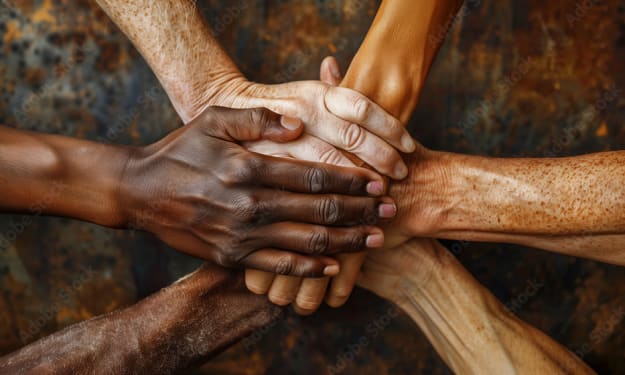
All races are not segregated in society as they used to be, but in our minds we still segregate. We make inclusions in the comments that we make and how we treat people in general. We still find ways to segregate in all the little thoughts that we think. Many years ago whites were slaves to pirates. In the America’s in the early year’s whites were slaves because they were brought in from other countries. Native American’s were slaves in United States and even shipped off to many other countries away from their families and all they had known. Women and men have become slaves at one point or another for sexual torture or to just be excluding in general. Blacks were enslaved for many years in the United States, Spanish America, Brazil, and Cuba usually the blacks that were originated from Angola, Nigeria, and Congo. LGBTQ people were enslaved for their self-beliefs in the United States, Hitler origins, and all throughout our timelines. Modern times there is slavery usually of sexual nature that are still going on of all races, beliefs, sex, and just coloring of skin in general.
By Tabitha Hinkley5 days ago in Humans
“Nothing Says Love Like Chemicals”: Valentine’s Roses Often Covered in Pesticides, Testing Finds. AI-Generated.
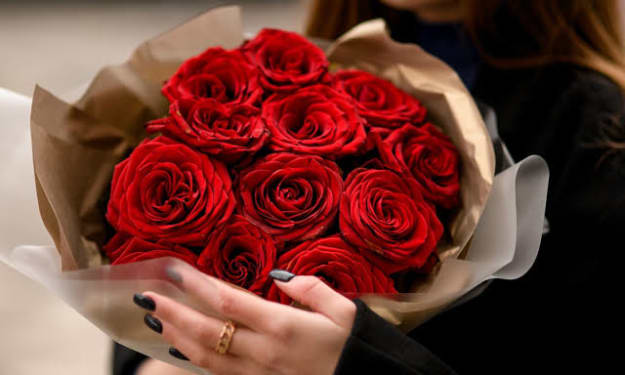
Valentine’s Day roses may look romantic, but new testing shows many bouquets come with an unwelcome extra: high levels of pesticide residue. Consumer advocates say the findings highlight a largely hidden problem in the global flower industry, where heavy chemical use is common and regulation remains uneven. A recent investigation by the Environmental Working Group analyzed roses purchased from major retailers in several U.S. cities ahead of Valentine’s Day. Laboratory tests detected traces of more than a dozen different pesticides on some flowers, including chemicals restricted or banned for use on food crops. While roses are not eaten, researchers warn that frequent handling — by florists, warehouse workers, and consumers — can still pose health risks. “People associate roses with love and celebration, but what we found was a cocktail of chemicals,” said an EWG spokesperson. “These pesticides don’t disappear when the flowers are cut. They remain on petals and leaves that people touch and bring into their homes.” Most roses sold in the United States are imported, primarily from Colombia and Ecuador, where large-scale flower farms rely on intensive pesticide spraying to meet demand for flawless blooms. Industry experts say pests and fungal diseases thrive in the humid greenhouse conditions used to grow roses year-round, making chemical control the cheapest and fastest solution. Testing found residues of fungicides and insecticides commonly used in commercial flower production. Some of these substances have been linked in scientific studies to hormone disruption, respiratory problems, and skin irritation. Although the amounts detected were within legal limits for ornamental plants, advocates argue that safety standards for flowers are far weaker than those for fruits and vegetables. The U.S. Department of Agriculture does not regulate pesticide residues on cut flowers in the same way it monitors food products, because roses are not intended for consumption. This regulatory gap means consumers rarely receive information about what chemicals were used to grow the flowers they buy. Florists are among the most exposed. Many handle thousands of stems daily in the days leading up to Valentine’s Day. “We’ve had workers complain about headaches and rashes during peak seasons,” said a shop owner in New York who asked not to be named. “We wear gloves now, but customers don’t think about that when they’re holding a bouquet.” Environmental groups also point to the impact on farmworkers in exporting countries. Reports from labor organizations describe frequent pesticide exposure, limited protective equipment, and long working hours during the Valentine’s rush. “The health burden is not shared equally,” said a labor rights advocate based in Bogotá. “Those growing the flowers face the highest risks.” The flower industry disputes that roses pose a danger to consumers. Trade associations maintain that approved pesticides are used according to safety guidelines and that exposure levels are minimal. “These products are essential to protect crops and ensure quality,” said a representative of a major floral exporter. “Without them, we could not meet global demand or control disease outbreaks.” Still, demand for alternatives is growing. Organic and “pesticide-free” roses are becoming more available, though they are often more expensive and harder to source in winter. Some florists are shifting to locally grown flowers or encouraging customers to buy potted plants instead of cut roses. Health experts recommend simple precautions: washing hands after handling flowers, keeping bouquets away from food preparation areas, and avoiding sleeping with flowers near pillows or beds. Removing outer petals and using gloves when arranging bouquets can also reduce exposure. For consumers, the findings challenge the image of roses as a harmless symbol of romance. “It’s ironic that a gift meant to express care may come with chemical risks,” said the EWG spokesperson. “We’re not saying people should stop buying flowers. We’re saying they deserve transparency and safer choices.” As Valentine’s Day sales continue to soar each year, advocates hope the spotlight on pesticides will push regulators and retailers toward stricter standards. Until then, the classic bouquet may carry a hidden message alongside its petals: love, wrapped in chemicals.
By Fiaz Ahmed 5 days ago in Longevity
We Are Europeans’: Fans Fly Greenland Flag During Olympic US–Denmark Ice Hockey Game”. AI-Generated.
MILAN — At the 2026 Winter Olympics in Milan‑Cortina, a pair of European hockey fans briefly stole the spotlight from the on‑ice action by hoisting the red‑and‑white flag of Greenland during the men’s preliminary round game between the United States and Denmark. What might have seemed at first glance a simple gesture of hockey fandom has sparked conversation about regional identity, political symbolism and European unity amid broader geopolitical tensions. The match, played at the Milano Santagiulia Ice Hockey Arena and eventually won by the United States 6–3, drew typical Olympic fervor from both Danish and American supporters. But standing out among the sea of national colors were two spectators waving Greenland’s flag — a banner not officially recognized by the International Olympic Committee because Greenland competes under Denmark’s flag in Olympic competition. The fans, Vita Kalniņa and her husband Alexander Kalniņš, are originally from Latvia and now live in Germany. They say the display was meant as a statement of European solidarity — not simply a quirky spectacle — reflecting a shared cultural and political stance. “We are Europeans and I think as Europeans we must hold together,” Kalniņš told The Associated Press. He said they wanted to visibly support both Denmark and Greenland at a moment when discussions about Greenland’s future have drawn international attention. Greenland, a self‑governing territory within the Kingdom of Denmark, does not field its own Olympic team and thus is represented internationally through Danish athletes. Nonetheless, the island’s distinctive flag — known locally as Erfalasorput — has emerged at Olympics and other events as a symbol of identity distinct from Denmark, particularly in contexts where Greenlandic autonomy and cultural recognition are at issue. The choice to fly the Greenland flag at the Serie “Greenland Derby” game — a rare match‑up where the Danish team faced off against a powerful U.S. squad — came against a backdrop of renewed debate over the territory’s geopolitical significance. That discussion intensified after recent public comments by U.S. political figures about Greenland’s strategic value, including controversial suggestions about increased U.S. influence or acquisition of the island. Those remarks helped fuel a surge of Danish national pride and broader European interest in the island’s future. However, what the Kalniņas intended as a gesture of support was met with some resistance inside the arena. Venue staff reportedly asked the couple to lower the Greenland flag, citing safety concerns. Despite the request — which the fans complied with — they said their point had already been made among the thousands of spectators and millions watching on television. Elsewhere in the stands, reactions to the flag were mixed but largely centered on the idea that sports should transcend politics. Danish fans painted in red and white expressed that the Olympic hockey match was “about competition, not geopolitics,” emphasizing respect for the athletes regardless of external controversies. An American supporter in stars and stripes echoed that sentiment, saying fans wanted to “compete country versus country and enjoy” the game without letting political issues overshadow the Olympic experience. On the ice, players themselves appeared unaffected by the symbolic display. Denmark’s team captain, Jesper Jensen Aabo, later noted that the flag had not been a point of focus during play, and the teams remained focused on their performance. The game proceeded with high intensity, and the United States secured a key win that kept them on pace for advancement in the tournament. For Kalniņa and Kalniņš, the moment was about more than hockey. It was a reminder that cultural and political identity sometimes finds expression in unexpected places — even in a sport known more for goals and saves than geopolitical discourse. As global attention remains fixed on the Winter Games, the flag of Greenland flying amid a sea of national banners became a quiet but potent symbol of unity for some Europeans watching.
By Fiaz Ahmed 5 days ago in The Swamp
The Speaking Mirror
The Speaking Mirror: Language After Humans The twentieth century believed that language was humanity’s highest achievement. The twenty-first century quietly discovers that language was only a transitional technology. What people called thought, debate, knowledge, education and culture increasingly reveals itself as a narrow biological interface — a slow and lossy channel through which an organism tried to handle complexity larger than its memory. The arrival of large language models exposes this limitation not gradually but brutally. For the first time a system appears that does not merely store texts but inhabits their relations. The consequence is unsettling: the history of language has outgrown its creators.
By Peter Ayolov5 days ago in Critique