Latest Stories
Most recently published stories on Vocal.
The Holland Hotel - A Railroad-Era Landmark in East Tawas
When the Holland Hotel opened on July 31, 1893, East Tawas was staking its future on rail connections and lake traffic. Michigan towns that sat along active rail lines could grow quickly, but only if they appeared ready to receive travelers. The Holland Hotel was built to send that signal.
By Paul Austinabout 3 hours ago in History
Why Minimalist Weddings Are the New Celebrity Trend. AI-Generated.
I used to think celebrity weddings were supposed to be loud. Fireworks, 7-tier cakes, 800 guests, flower walls taller than the venue itself. That’s what we grew up seeing in glossy magazines — weddings that looked more like movie premieres than personal moments.
By Veronica Bennettabout 3 hours ago in Marriage
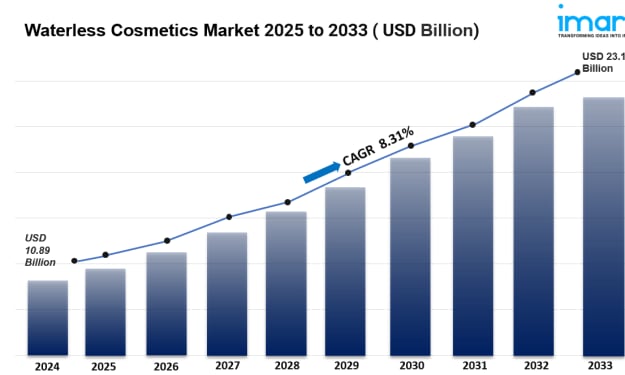
Waterless Cosmetics Market Set to Soar to USD 23.17 Billion Driven by Digital Shift and Diverse Content
Waterless Cosmetics Market – Overview The waterless cosmetics market refers to beauty and personal care products formulated without water as a primary ingredient. Instead of water, these products use alternatives like botanical extracts, oils, powders, and butters to deliver concentrated active ingredients that offer potent performance and sustainability benefits. Compared to traditional liquid formulations, waterless cosmetics reduce reliance on freshwater, minimize preservative needs, and often use more eco-friendly packaging.
By James Smithabout 3 hours ago in Futurism
More Than 500 Dead in Iran Protests — U.S. Considers Military Options. AI-Generated.
Iran is facing one of its most intense periods of unrest in years as widespread protests continue across multiple cities, drawing global attention and growing concern. Human rights organizations and international observers report that more than 500 people may have been killed since demonstrations began, marking a devastating toll that has intensified diplomatic pressure on Tehran. As the situation deteriorates, the United States is openly debating possible responses, including military options, raising fears of further escalation in an already volatile region. A Nation in Turmoil The protests, which began amid economic hardship and political frustration, have evolved into a broader movement challenging government authority. Demonstrators have taken to the streets demanding accountability, improved living conditions, and greater personal freedoms. While the Iranian government has described the unrest as foreign-backed destabilization, protesters and activists portray it as a grassroots expression of public anger. Reports from inside Iran remain difficult to verify due to media restrictions and internet shutdowns. However, international human rights groups estimate that hundreds of civilians have died during clashes between security forces and demonstrators. Thousands more have reportedly been detained, adding to fears of widespread repression. The rising death toll has transformed what began as domestic unrest into an international crisis. Government Response and Crackdown Iranian authorities have responded forcefully, deploying security forces to suppress protests and restore order. Officials insist their actions are necessary to maintain national stability and protect public institutions. State media emphasizes incidents of violence and vandalism, framing the protests as a security threat rather than a political movement. Critics argue that the heavy-handed response has only fueled further anger. Images and testimonies shared by activists show security forces confronting unarmed civilians, intensifying global outrage. Calls for independent investigations have grown louder, though Iranian leadership has rejected external interference. International Reaction Grows As reports of rising casualties spread, international condemnation has increased. Western governments, including the United States, have expressed deep concern over the situation. Statements from U.S. officials emphasize support for the Iranian people’s right to peaceful protest while condemning the use of lethal force against civilians. The United Nations and several human rights organizations have urged restraint and called for accountability. Diplomatic efforts have so far yielded limited results, with Tehran dismissing many criticisms as politically motivated. U.S. Considers Military Options Amid mounting pressure, discussions within the United States have taken a sharper tone. While no formal decision has been announced, U.S. officials have acknowledged that “all options remain on the table” should the situation worsen. This language has sparked intense debate over what role, if any, military force should play in responding to Iran’s internal crisis. Supporters of a tougher stance argue that continued violence against civilians demands a strong response. They believe that clear consequences could deter further abuses and demonstrate international resolve. Others caution that military intervention could escalate the conflict, potentially destabilizing the entire Middle East. Historically, U.S.–Iran relations have been marked by distrust, sanctions, and limited diplomatic engagement. Any military action, even symbolic, would likely have far-reaching consequences beyond Iran’s borders. Risks of Escalation Analysts warn that increased U.S. involvement could trigger retaliation from Iran or its regional allies. The Middle East is already navigating multiple conflicts, and further escalation could disrupt global energy markets and threaten regional security. There is also concern that military threats may strengthen hardline factions within Iran, undermining internal reform movements. Critics argue that external pressure often allows governments to shift focus away from domestic grievances by framing unrest as foreign aggression. For this reason, many experts advocate for diplomatic pressure, targeted sanctions, and international monitoring rather than direct military involvement. Voices From the Iranian Diaspora Outside Iran, members of the Iranian diaspora have organized demonstrations and advocacy campaigns, urging global leaders to take action. These voices emphasize the human cost of the crisis, sharing stories of families affected by violence and detention. While opinions differ on the best course forward, there is widespread agreement on one point: the loss of life is unacceptable, and the international community cannot ignore the situation. A Critical Moment Ahead The unfolding crisis places Iran and the United States at a dangerous crossroads. With more than 500 deaths reportedly linked to the protests, the pressure for decisive action continues to build. At the same time, the risks associated with military involvement remain high. What happens next will depend on a combination of internal developments within Iran and the choices made by global powers. Whether the situation moves toward dialogue or deeper confrontation will shape not only Iran’s future but also the stability of the broader region. Conclusion The reported death toll from Iran’s protests represents more than statistics—it reflects a nation in distress and a world struggling to respond. As the U.S. considers its options, the challenge lies in balancing accountability with restraint. In moments like these, the consequences of action—and inaction—carry profound weight.
By Saboor Brohi about 3 hours ago in The Swamp
GCC Organic Food Market: Health Awareness, Clean Label Demand & Growth Outlook. AI-Generated.
According to IMARC Group's latest research publication, GCC organic food market size reached USD 4.4 Billion in 2024. The market is projected to reach USD 11.7 Billion by 2033, exhibiting a growth rate of 11.3% during 2025-2033.
By Abhay Rajputabout 3 hours ago in Futurism
Dressing Without Rules: Plus Size Salwar Suits in 2026
For a long time, plus size fashion came with too many rules. Wear dark colours. Avoid volume. Stick to “flattering” cuts. Hide this, downplay that. But in 2026, that mindset is finally fading. Women are choosing comfort, confidence, and personal style over outdated fashion advice and plus size salwar are right at the centre of this change.
By Amit Mandalabout 4 hours ago in Styled
7 Business Knowledge Loops That Self-Improve on AI PCs
The business world is changing faster than ever before. Companies that stay ahead are those that use smart technology to learn and grow continuously. AI PCs have opened up a new frontier for businesses to create knowledge loops that get better with every cycle. These systems learn from your data and improve their performance automatically. Think of it like a business brain that never stops getting sharper.
By Gabriella Browneabout 4 hours ago in Journal
GCC Mental Health Market: Awareness Campaigns, Digital Therapies & Market Growth. AI-Generated.
According to IMARC Group's latest research publication, GCC mental health market size reached USD 8.6 Billion in 2024. The market is projected to reach USD 12.3 Billion by 2033, exhibiting a growth rate of 4% during 2025-2033.
By Abhay Rajputabout 4 hours ago in Futurism
Raising my standards
I am raising my standards. Now, I just don't want a boy whose isn't clear about his feelings for me and says that I am just like his sister or someone who often shows up like a "Surprise, I exist" and act like they care about me, love me but doesn't give a damn about me and ignore me for weeks.
By Samairaa about 4 hours ago in Confessions