
Why Indian customer will eat cheap chemicalwala pickle even though spends thousands of rupees on non-essential stuff?
In India, pickles are a love letter to tradition, a burst of flavor that transforms a simple meal into something memorable.
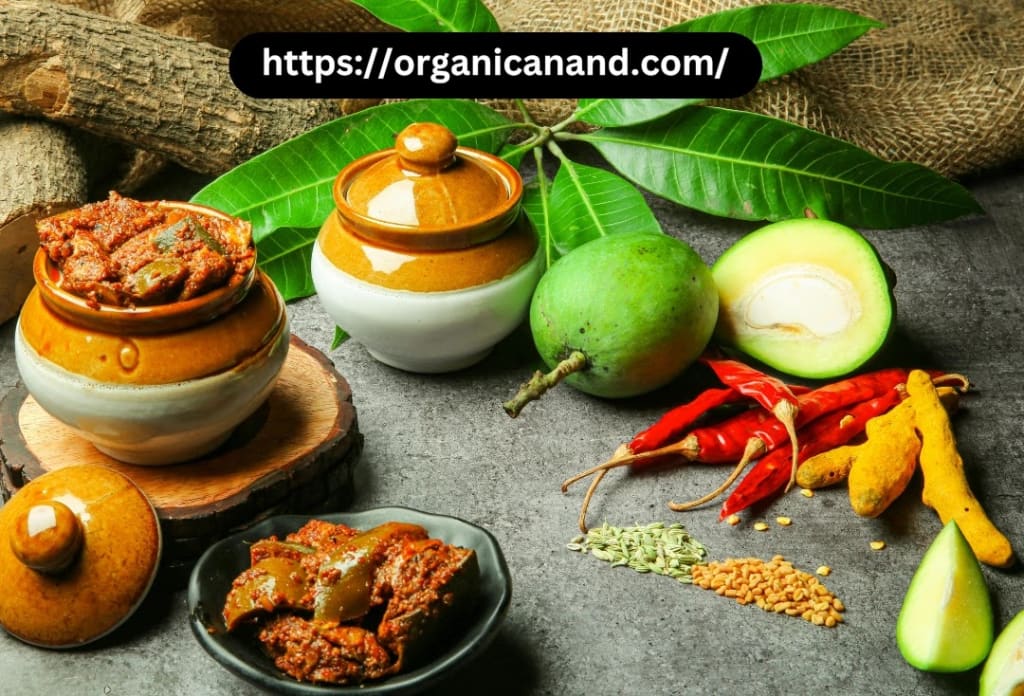
Why Indian customer will eat cheap chemicalwala pickle even though spends thousands of rupees on non-essential stuff?
In India, pickles are a love letter to tradition, a burst of flavor that transforms a simple meal into something memorable. Whether it’s the sharp tang of mango or the fiery kick of green chili, pickles are a must-have on every thali. Yet, there’s a puzzling trend: many Indians happily drop thousands on flashy gadgets, trendy outfits, or fancy dinners but reach for the cheapest, chemical-laden pickles on store shelves. Why settle for low-cost pickle when splurging on non-essentials is second nature? Let’s dig into the heart of this curious choice.
Pickles: A Slice of Home
These aren’t just food in India—they’re a piece of family history. Grandmothers once spent sunny afternoons mixing spices and mangoes, filling jars with love and patience. Those homemade were a labor of devotion, but today’s fast-paced world has changed the game. Store-bought pickle, often packed with preservatives to last ages, have taken over. They’re cheap, easy to find, and still carry that nostalgic zing, even if it’s not quite the same as Nani’s recipe.
For many, eating pickle is less about gourmet quality and more about reliving childhood meals. The familiar taste, even from a mass-produced jar, sparks comfort. This emotional pull makes it easy to overlook the artificial stuff in cheap pickles—why fuss when it feels like home?
Money Talks, But Not for Pickles
Indian households are masters at juggling budgets. Rent, school fees, and groceries eat up the lion’s share, but there’s always room for a shiny new phone or a weekend getaway. These big-ticket buys are tied to showing off or chasing dreams—keeping up with neighbors or flaunting a lifestyle. Pickles, though? They’re just a sidekick to the main meal, not something you flaunt. So, when faced with a Rs. 40 jar versus a Rs. 150 “artisanal” one, most pick the budget option. It does the job, and the extra cash can go toward something flashier.
This isn’t about being stingy. It’s about priorities. Spending on non-essentials feels rewarding—it’s a status boost or a moment of joy. Pickles, no matter how tasty, don’t carry that weight. They’re a small cog in the daily grind, so why break the bank?
The Rush of Modern Life
Life in India today is a whirlwind. Between long commutes, endless work emails, and family chaos, who has time to sun-dry lemons for pickles? Store-bought jars are a lifesaver—grab one from the corner shop, and you’re set for months. The chemical preservatives mean they won’t spoil, which is perfect for folks too busy to play chef.
Cheap pickle are everywhere, from tiny village stores to glitzy supermarkets. Their low price makes them a no-brainer for everyone, rich or poor. Compare that to fancy organic pickles, which might only show up in posh stores or online, costing a small fortune. For most, the convenience of a quick, affordable pickle fix trumps everything else.
Hooked on Bold Flavors
Indian palates crave drama—spicy, sour, in-your-face flavors that make every bite pop. Cheap pickles nail this with a mix of spices and chemical boosters that mimic the real deal. Over time, people get hooked on that intense, predictable taste. It’s not quite like homemade, but it’s close enough to satisfy. Premium pickles, with their subtle, natural notes, can feel underwhelming in comparison, especially when they cost triple.
There’s also the reliability factor. A store-bought jar tastes the same every time, unlike homemade batches that might turn out too salty or too mild. That consistency, paired with a dirt-cheap price, keeps people coming back.
Not Sweating the Small Stuff
Here’s a hard truth: many Indians don’t think twice about the chemicals in their pickles. Preservatives like sodium benzoate or artificial colors might sound sketchy, but they don’t scream “danger” to the average shopper. The health risks feel distant, especially when the jar costs pocket change and tastes great. Meanwhile, splurging on a new smartwatch or a night out feels urgent—it’s about living in the moment or showing off.
Awareness is growing, sure. Some folks hunt for organic pickle or check labels like detectives. But for most, the daily hustle leaves little room to worry about what’s in their achar. It’s just not a battle worth fighting when there are bigger fish to fry.
The Social Game
In India, what you own or where you’re seen matters. A sleek phone or a dinner at a swanky café screams success. It’s about fitting in or standing out. It, bless their tangy hearts, don’t play that game. Nobody’s impressing their friends by waving a jar of high-end pickles at a party. So, there’s no push to spend more on them—it’s just not a flex.
Plus, there’s a mental trick at play. This feel like a tiny expense, so cutting corners on them makes sense. Why spend Rs. 200 on a jar when you can save that for a new pair of jeans? It’s practical, even if the logic doesn’t always add up.
Conclusion
The love for cheap, chemical-packed pickle in India boils down to a mix of heart, habit, and hustle. That are a cherished part of every meal, but they’re not the star of the show, so consumers pick the wallet-friendly option. While splashing cash on non-essentials fuels social clout or personal joy, pickles stay in the background, doing their job without fanfare. Changing this might mean spreading the word about health risks or making better pickle more affordable. Until then, the humble, chemical-laden pickle jar will keep its spot on Indian tables, a quiet nod to tradition in a fast-moving world.
FAQs
What makes cheap pickles so common in India?
They’re affordable, last forever, and easy to find. Busy folks love the convenience, and the bold taste keeps everyone happy.
Are chemicals in pickle a health worry?
In small amounts, they’re usually fine, but eating them for years might not be great. Natural pickle or moderation is the way to go.
Why skip expensive pickle?
They cost more and aren’t easy to find. Plus, pickles aren’t something people show off, so cheap ones do the trick.
Can homemade pickles make a comeback?
They’re amazing but take time and effort. Store-bought wins for being quick and consistent, especially in cities.
How can I pick better?
Peek at labels for funky additives, try local or natural brands, and support small sellers for fresher, healthier options.
About the Creator
Keep reading
More stories from Organic anand and writers in Journal and other communities.
World’s Largest Sovereign Wealth Fund Made $247 Billion in 2025, Driven by Tech and Banking Rally
The world’s largest sovereign wealth fund delivered a blockbuster performance in 2025, posting profits of $247 billion as a powerful rally in technology and banking stocks lifted global equity markets. The record gain underscored the growing influence of large state-backed investors in global finance and highlighted how a concentrated rebound in key sectors can reshape national wealth outcomes.
By Salaar Jamali2 days ago in Journal


Comments
There are no comments for this story
Be the first to respond and start the conversation.