
Why Indian customer will eat cheap chemicalwala amla supari even though spends thousands of rupees on non-essential stuff?
Walk through any bustling Indian market, and you’ll spot tiny sachets of amla supari dangling at paan shops or tucked into kirana store shelves.
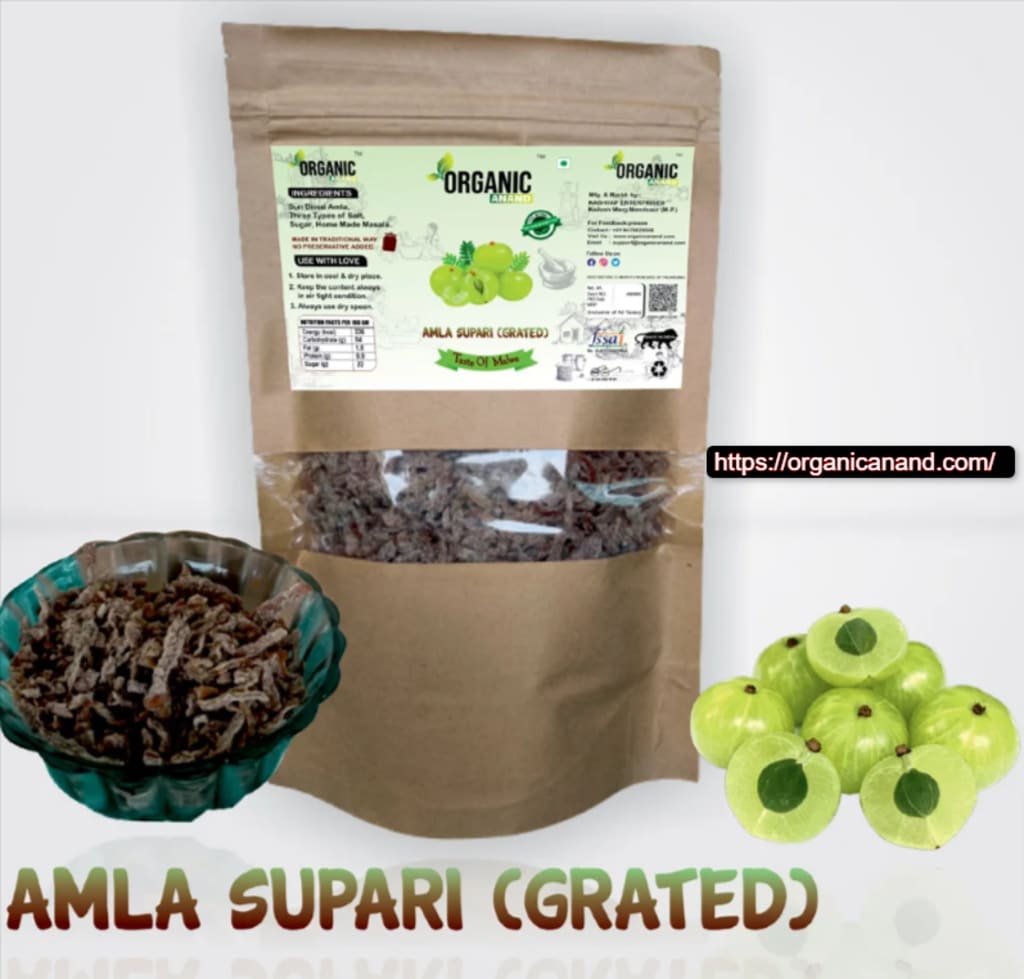
Why Indian customer will eat cheap chemicalwala amla supari even though spends thousands of rupees on non-essential stuff?
Walk through any bustling Indian market, and you’ll spot tiny sachets of amla supari dangling at paan shops or tucked into kirana store shelves. This tangy, chewy mix of areca nut and Indian gooseberry is a daily ritual for millions, yet many pick the cheapest, chemically packed versions despite dropping thousands on flashy gadgets or trendy outfits. Why does this humble chew, often laced with artificial flavors, hold such sway when wallets open wide for non-essentials? Let’s dig into the cultural, economic, and emotional threads weaving this paradox.
A Tradition That Sticks
This isn’t just a snack—it’s a slice of heritage. Picture a wedding where betel nut is offered to guests, or a family gathering where chewing paan sparks laughter and stories. Amla supari, with its zesty twist, is the modern cousin of these customs, blending nostalgia with convenience. It’s popped into mouths during chai breaks, long commutes, or quiet moments, a small act of comfort that feels like home.
Unlike splurging on a new phone or designer shoes, which scream status, chewing amla supari is personal, almost secretive. It’s not about showing off—it’s about savoring a familiar ritual. For many, it’s as routine as brushing teeth, a habit so ingrained that the idea of switching to a pricier, natural version feels unnecessary, even absurd.
Pennies for Pleasure, Pounds for Prestige
Indian wallets tell a tale of two worlds. A shiny smartwatch or a weekend getaway is a badge of progress, a way to say, “I’ve made it.” These purchases are planned, celebrated, and often flaunted. Amla supari, though? It’s a rupee or two slipped to the shopkeeper, barely a dent in the budget. For daily chewers, especially in small towns or villages, those pennies add up, making the dirt-cheap, chemical-heavy option the only one that fits.
Natural amla supari, free of synthetic additives, can cost a small fortune by comparison—sometimes ten times more. For a laborer or clerk, that’s a non-starter. Saving on these small buys leaves room for the big-ticket items that boost social standing, like a new TV or a family vacation. It’s a practical trade-off: skimp on the chew, splurge on the dream.
The Pull of Instant Joy
There’s something irresistible about tearing open a sachet of amla supari. The sharp tang, the slight buzz from the areca nut, the satisfying chew—it’s a mini escape. In a world of deadlines and crowded buses, it’s a quick hit of joy, like sneaking a sweet or lighting a cigarette, but cheaper and less judged. That instant gratification hooks people, turning a casual try into a daily must.
Once the habit takes root, it’s tough to shake. The brain craves the familiar, and the body follows. Health warnings about artificial colors or long-term risks—like gum disease or worse—fade against the immediate pleasure. Unlike buying a fancy coffee maker, which involves research and debate, grabbing amla supari is a reflex, a split-second choice at the counter that favors the known over the unknown.
A Shared Ritual, Always Within Reach
This isn’t just personal—it’s communal. Pass a sachet around during a chat with friends, and it’s an instant icebreaker. Offer it to a neighbor, and it’s a nod of goodwill. Its low price means anyone can join in, from rickshaw drivers to office workers, creating a quiet bond. Non-essentials, like a luxury handbag or concert tickets, are more about individual flair, rarely shared in the same way.
Then there’s the sheer ease of finding it. Every street corner, every tiny shop has amla supari, ready to grab. Compare that to organic versions, tucked away in upscale stores or online, often out of reach for the average chewer. This convenience locks in the cheap option, even for those who don’t blink at spending on a new gaming console.
Blind Spots in Health Awareness
Health is a buzzword in India today—think yoga retreats or quinoa salads—but it doesn’t always reach the world of amla supari. Many don’t know that the bright colors and sharp flavors come from chemicals, or that areca nut can harm oral health over time. In rural areas especially, where information travels slowly, these risks stay under the radar.
Even those who know often shrug it off. A fitness tracker might signal a healthy lifestyle, but the daily chew feels too small to matter. It’s a classic human quirk: we chase big goals while ignoring small habits. For someone splashing out on organic groceries, amla supari remains an unchallenged exception, too trivial to rethink.
Packaging That Pops, Quality That Fades
Cheap supari knows how to sell itself. Vibrant packets, bold promises of “extra tangy” or “super fresh,” and flavors like mango or mint draw the eye. It feels like a steal, even if the ingredients list reads like a chemistry lab. Natural options, often plain-packed and pricey, can’t compete with that sensory pull.
Non-essentials, meanwhile, thrive on hype—think glossy ads or Instagram influencers. Amla supari flies under that radar, a low-stakes buy that doesn’t need to impress. Makers of cheap variants bank on this, cutting corners on quality while keeping the allure high, knowing consumers won’t look too closely.
Tradition Meets Ambition
At its core, this split reflects India’s dance between old and new. Amla supari carries the weight of tradition, a link to simpler times. Non-essentials, from smart TVs to foreign holidays, chase a modern, global identity. One is a quiet nod to roots; the other, a loud claim to progress. That’s why someone might haggle over a healthier chew but happily finance a new car.
FAQs
What makes amla supari so popular in India?
It’s a mix of cultural tradition, low cost, and instant flavor, making it a go-to for daily relaxation or socializing.
Why pick cheap amla supari over natural ones?
The low price and easy availability fit daily budgets, while natural options are costly and harder to find.
Is cheap amla supari bad for health?
Often, yes—artificial additives and areca nut can cause oral health issues, including serious risks over time.
How does spending on non-essentials differ from buying amla supari?
Non-essentials are about status and ambition; amla supari is a personal, low-cost habit tied to routine.
Could better awareness shift consumer choices?
Yes, education and affordable healthier options might nudge people toward quality over cheap convenience.
Conclusion
The love for cheap amla supari, despite lavish spending on non-essentials, is a window into Indian life. It’s about clinging to tradition, stretching budgets, and chasing small joys in a hectic world. Cultural ties, economic realities, and human nature all play a part, keeping chemically laced sachets in demand. Changing this means more than awareness—it needs affordable alternatives that feel as familiar and inviting as the old standby. Until then, amla supari remains a tiny, tangy contradiction in a land of big dreams.
About the Creator
Keep reading
More stories from Organic anand and writers in Writers and other communities.
Why Indian customer will eat cheap chemicalwala pickle even though spends thousands of rupees on non-essential stuff?
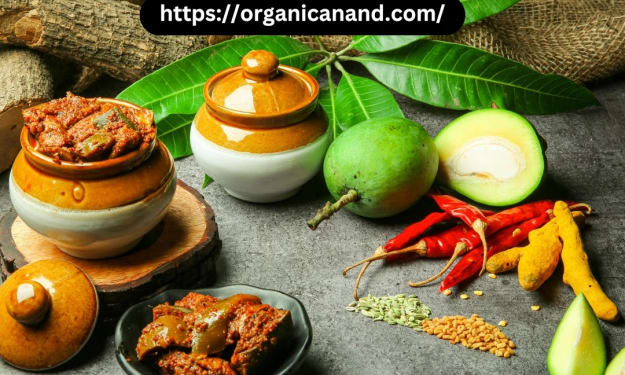
Why Indian customer will eat cheap chemicalwala pickle even though spends thousands of rupees on non-essential stuff? In India, pickles are a love letter to tradition, a burst of flavor that transforms a simple meal into something memorable. Whether it’s the sharp tang of mango or the fiery kick of green chili, pickles are a must-have on every thali. Yet, there’s a puzzling trend: many Indians happily drop thousands on flashy gadgets, trendy outfits, or fancy dinners but reach for the cheapest, chemical-laden pickles on store shelves. Why settle for low-cost pickle when splurging on non-essentials is second nature? Let’s dig into the heart of this curious choice.
By Organic anand9 months ago in Journal


Comments
There are no comments for this story
Be the first to respond and start the conversation.