
Where Spirituality and Adventure Meet: The Kailash Mansarovar Yatra Explained
A Journey of Faith and Adventure in the Himalayas

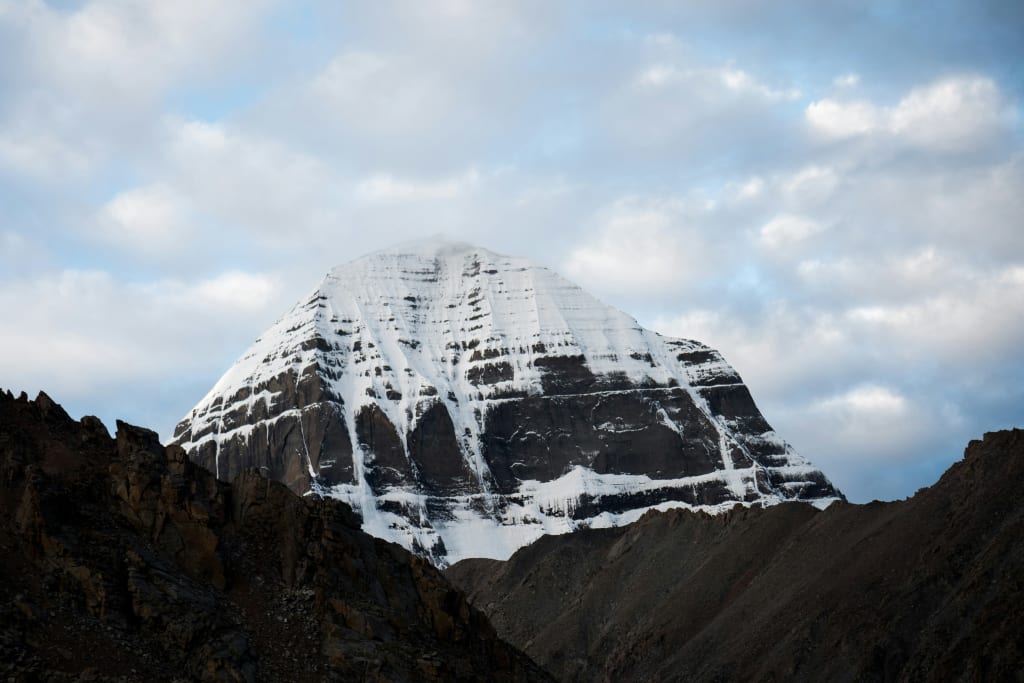
The Kailash Mansarovar Yatra is not just a journey; it is a life-changing adventure that combines spirituality, culture, and breathtaking natural beauty. Every year, thousands of pilgrims and adventure seekers from around the world undertake this sacred journey to Mount Kailash and Lake Mansarovar. It is considered one of the most spiritual and unique treks in the world, offering a chance to connect with the Himalayas and with your inner self.
This yatra is more than a physical challenge—it is a journey of faith, reflection, and discovery. From stunning high-altitude landscapes to ancient monasteries, every step of the Kailash Mansarovar Yatra brings a new experience and a deeper sense of purpose.
Why the Kailash Mansarovar Yatra is Special
Mount Kailash is revered in Hinduism, Buddhism, Jainism, and Bon, making it one of the most sacred peaks on Earth. Pilgrims believe that a journey around the mountain, called a kora, brings spiritual purification and blessings. Lake Mansarovar, located nearby, is considered a holy lake and is believed to cleanse the soul.
The Yatra is unique because it combines spiritual significance with adventure. Travelers not only face the challenge of high-altitude trekking but also experience the rituals, prayers, and traditions of local cultures. It is a blend of devotion and exploration that few other journeys offer.
Trek Statistics: What to Expect
The Kailash Mansarovar Yatra is a high-altitude trek with significant physical and logistical demands. The total distance varies depending on the route chosen, but on average, the pilgrimage covers approximately 300 to 400 kilometers from entry points in Nepal, Tibet, or India.
The kora around Mount Kailash itself is about 52 kilometers, usually completed in 3 days. The trek reaches a maximum elevation of around 5,630 meters at Dolma La Pass, which is the highest point of the kora. Travelers need to be prepared for cold weather, rugged trails, and reduced oxygen levels at high altitude.
Best Time to Undertake the Yatra
The best time for the Kailash Mansarovar Yatra is May to September. During these months, the weather is relatively stable, and the trails are accessible. Early spring or late autumn is possible but less comfortable due to cold temperatures and snow.
Traveling in the right season is essential for safety and to enjoy clear views of Mount Kailash and Lake Mansarovar. Pilgrims should always check weather updates and local advisories before starting the journey.
Routes and Travel Options
There are multiple routes to reach Mount Kailash and Lake Mansarovar. Most travelers start from Tibet via Nepal or India, using a combination of road and trekking. Some routes are designed for spiritual pilgrims, while others focus more on adventure and scenic trekking.
Transportation includes buses, jeeps, or flights to the nearest entry points. After reaching the base areas, the journey continues on foot, following well-marked trails with stops at monasteries, small villages, and rest points. Each route offers its own unique scenery and cultural experiences.
Physical Preparation and Fitness
The Kailash Mansarovar Yatra is challenging and requires a moderate to high level of fitness. Pilgrims should be comfortable walking for 5 to 7 hours per day and be prepared for steep ascents, high-altitude passes, and uneven terrain.
Training before the trek can make a big difference. Walking, jogging, and climbing stairs are effective ways to prepare. Acclimatization days are also built into the itinerary to help prevent altitude sickness. Remember, pacing yourself and listening to your body is key to completing the journey safely.
Accommodation and Food
Along the yatra, accommodations range from basic guesthouses and tents to simple hotels. Pilgrims often stay in monasteries or local lodges, which provide meals like rice, vegetables, soups, and tea.
Food is simple but nutritious, designed to give energy for the long days of walking. Travelers should also carry some snacks, water, and basic medical supplies to stay healthy during the trek.
Spiritual and Cultural Highlights
The Yatra is filled with spiritual and cultural experiences. Pilgrims perform rituals at sacred sites, offer prayers, and visit monasteries along the route. The kora around Mount Kailash is a deeply symbolic act, believed to cleanse past sins and bring blessings.
Lake Mansarovar is another highlight. Many pilgrims take a ritual bath in its holy waters, which is considered highly auspicious. Meeting monks, interacting with locals, and observing ancient practices enriches the journey and connects travelers with Tibetan Buddhist and Hindu traditions.
Safety Tips
Even though the yatra is highly rewarding, safety is important. Altitude sickness, cold weather, and rugged trails are real challenges. Travelers should:
Drink plenty of water
Take acclimatization days seriously
Wear warm and layered clothing
Use sturdy trekking shoes
Carry a first-aid kit and travel insurance
Hiring experienced guides is also recommended. They ensure safe navigation, cultural respect, and a more meaningful experience.
Final Thoughts
The Kailash Mansarovar Yatra is a journey where spirituality meets adventure. It challenges the body, inspires the mind, and nourishes the soul. From trekking high-altitude passes to witnessing ancient rituals, every moment is a unique experience.
With careful preparation, respect for local traditions, and an open heart, travelers can complete this yatra confidently. It is more than a trek—it is a pilgrimage that leaves lasting memories and deep spiritual satisfaction.
Whether you seek adventure, self-discovery, or spiritual growth, the Kailash Mansarovar Yatra offers all of this in one unforgettable journey.
About the Creator
Keep reading
More stories from Rose Jenkins and writers in Journal and other communities.
Discover the Silent Trails and Sky-High Views on the Pikey Peak Trek
Cold morning air brushed against my face as the first soft light touched the hills, and in that calm moment, I knew this journey would stay with me forever. The Pikey Peak trek is a path filled with silence, wide skies, and views that seem to stretch beyond the edge of the world. It is a trail that anyone can enjoy, from new trekkers to people who have walked many mountain routes. With every step, the land opens up a little more, showing forests, villages, and the tall white peaks that make Nepal so special.
By Rose Jenkinsabout a month ago in Journal


Comments
There are no comments for this story
Be the first to respond and start the conversation.