
UPS to Cut 30,000 Jobs as It Moves Away From Amazon
UPS announces up to 30,000 job cuts in 2026 as it accelerates a strategic shift away from Amazon deliveries and focuses on higher‑margin operations

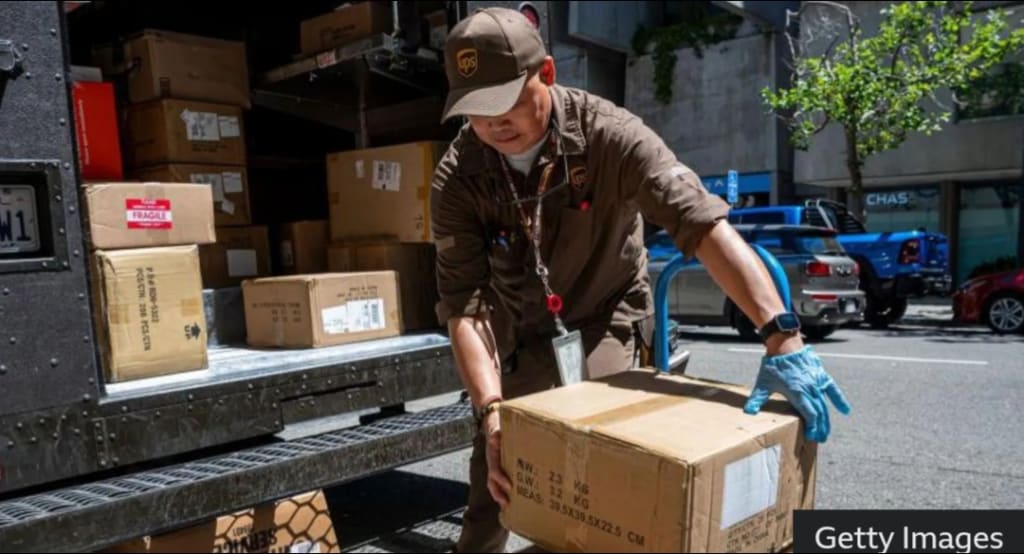
Shipping giant restructures workforce amid strategic pivot from low‑margin Amazon deliveries toward higher profit opportunities
United Parcel Service (UPS), one of the world’s largest package delivery companies, announced plans to eliminate up to 30,000 jobs in 2026 as part of a major restructuring effort tied to its ongoing shift away from reliance on Amazon shipments and toward higher‑margin business lines. The workforce reductions, coupled with facility closures and automation expansion, mark the latest chapter in UPS’s multi‑year turnaround strategy aimed at boosting profitability and modernising its operations.
A Strategic Shift From Amazon
For decades, UPS has handled a significant volume of packages for Amazon, historically one of its largest customers. At its peak, shipments for Amazon accounted for around 12 % of UPS’s revenue, but the company has been reducing that volume aggressively, citing low profit margins and competitive pressures from Amazon’s own expanding logistics network.
UPS’s CFO, Brian Dykes, said the cuts are part of a planned “Amazon glide‑down,” where the company will continue to lower the number of Amazon packages it processes — including cutting around 1 million packages per day through the end of 2026. He added that the decision is made with an eye on long‑term profitability and network efficiency, even if it means placing less reliance on shipments once considered core to the company’s growth.
What the Job Cuts Entail
The 30,000 jobs slated for elimination are largely operational positions — roles tied to daily delivery, sorting, and warehouse functions. UPS plans to reduce the workforce through attrition (not replacing workers who leave) and a voluntary separation program offered to full‑time drivers, rather than through widespread forced layoffs.
In addition to job reductions, the company plans to close at least 24 facilities in the first half of 2026, with the possibility of more closures later in the year as part of a broader network reshaping effort. UPS also expects to accelerate automation, deploying more technology across its delivery and logistics network to compensate for lower volume and improve operational efficiency.
A Continuation of Prior Cuts
This announcement follows an earlier round of job eliminations in 2025, when UPS cut 48,000 positions and shuttered facilities as part of its effort to right‑size operations. Taken together, the 2025 and 2026 reductions represent a significant shift in the company’s workforce and underline how deeply the Amazon pivot is affecting UPS’s day‑to‑day business.
Why UPS Is Making These Moves
UPS’s leadership has framed these actions as part of a strategic repositioning to focus on higher‑margin services and customers. By reducing exposure to low‑profit segments — specifically large volumes of Amazon deliveries — UPS hopes to improve its financial performance and invest in areas such as healthcare logistics, which includes delivery of pharmaceuticals and medical supplies and commands better returns relative to e‑commerce parcels.
Chief Executive Carol Tomé has described 2026 as a “pivotal year” for UPS as it seeks to define a more profitable and agile company structure, including benefits from a network that aligns with current demand patterns rather than outdated volume structures.
Shareholder Reaction and Financial Impact
Despite the job cuts and closures, UPS’s financial performance has looked resilient in recent reports. The company posted better‑than‑expected fourth‑quarter revenue of $24.5 billion and earnings that beat Wall Street estimates, helping reassure investors that the restructuring won’t undermine short‑term financial stability. In response to the news, UPS shares rose in trading, reflecting investor confidence in the turnaround strategy.
The company estimates that reducing Amazon volume and streamlining operations could save about $3 billion, an important boost as it navigates industry headwinds and stiff competition from FedEx, DHL, and Amazon’s growing internal logistics arm.
Worker and Union Reactions
The announcement has drawn reactions from labour organisations, including the Teamsters union, which represents many UPS workers. The union reiterated its concerns about buyout programs and emphasised that drivers and warehouse workers are essential to the company’s success. It stressed the need for contractual protections and fair compensation for workers, even as the company pursues cost‑cutting measures.
While UPS plans to rely mainly on attrition and voluntary exits, the impact will be felt by many employees, particularly in regions where alternatives in logistics and ground operations are limited. The company’s decision to close facilities also raises concerns about local job markets in transport hubs and urban areas that have historically depended on UPS employment.
Broader Industry and Market Dynamics
UPS’s pivot reflects broader shifts in the logistics industry. As e‑commerce giants like Amazon expand their in‑house delivery and logistics capabilities, third‑party carriers face pressure to redefine their role or lose market share. Competitors like FedEx have also been adjusting capacity, pricing, and service offerings to contend with similar dynamics.
In addition, the removal of duty‑free e‑commerce shipments from major discount retailers and broader macroeconomic trends have dampened parcel volume growth industry‑wide. UPS’s emphasis on automation, network reconfiguration, and strategic customer mix changes mirrors broader efforts by logistics firms to maintain profitability in a more competitive environment.
What’s Next for UPS
Going forward, UPS will continue to evaluate its network, identify further opportunities for efficiency gains, and pivot toward priority sectors like healthcare, small business logistics, and high‑value commercial delivery. It will also navigate labour challenges and union negotiations as it implements separation programs and restructures operations.
Although cutting 30,000 jobs is a dramatic move for a company with nearly 490,000 global employees, UPS leadership believes these decisions align with long‑term survival and profitability goals. The effectiveness of the turnaround strategy will likely be defined by how well UPS balances cost‑cutting with service quality, technology investments, and relationships with customers in an increasingly competitive logistics landscape.
About the Creator
Keep reading
More stories from Salaar Jamali and writers in Journal and other communities.




Comments
There are no comments for this story
Be the first to respond and start the conversation.