
Unanswered Questions from the Harry Potter Series | Part 1
About answers to some unknown questions about the Harry Potter series.

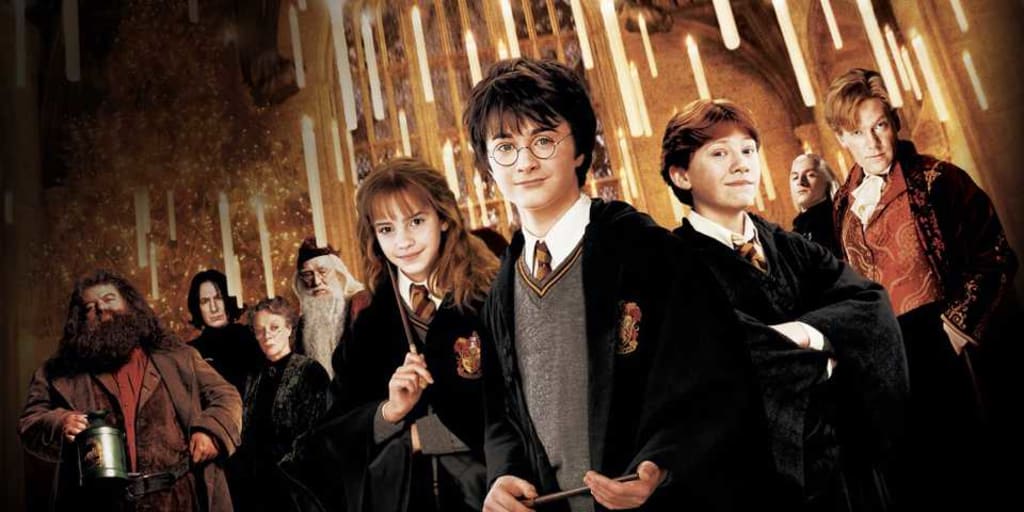
A whole generation has grown up enchanted by the magical memories of Harry Potter. Amidst the flood of movies, series, and books, the radiant flame of Harry Potter still shines bright. Potterheads have time and again traversed the boundaries of imagination, wandered the grounds of Hogwarts, cast their favorite spells with a flick of a wand, and eagerly dabbled with potions of all kinds. Countless muggles have sighed in frustration or dreamt of flying through the sky on a broomstick, their childhoods marked by that unfulfilled wish.
But between the lines of the books and scenes of the movies, some questions remain unanswered. Today, we explore those lingering queries with logic and fan theories in tow
1) Who was the student who joined the Quidditch team in their first year a century before Harry Potter?
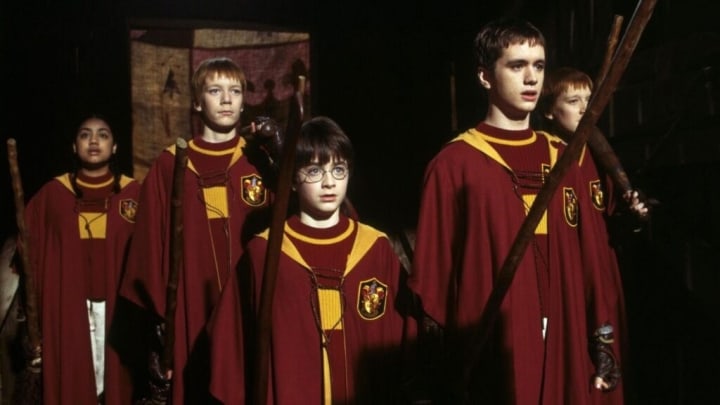
In Harry Potter and the Philosopher’s Stone, both the book and the film, it’s revealed that Harry was recruited into the Quidditch team during his very first year—a rare occurrence, as Hogwarts rules typically forbid first-years from joining. Even the skilled Draco Malfoy was denied a spot solely because he was a first-year. When Harry broke this convention, Ron Weasley excitedly told him that the last time this had happened was nearly a century ago.
But who was this prodigious student who made their mark at the age of eleven?
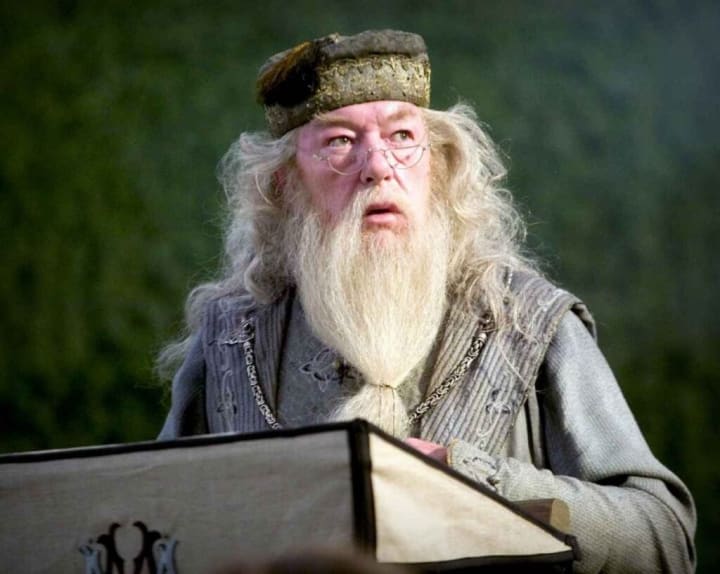
Harry enrolled at Hogwarts in 1991. A hundred years before that takes us to 1891. According to the Wizarding World’s official timeline and fandom databases, a prominent wizard entered Hogwarts in 1892 and later became one of the most legendary figures in magical history. Born into a wizarding family, he had mastered the art of flying long before he arrived at Hogwarts. That student was none other than the great Albus Dumbledore.
2) Why didn’t Voldemort turn Gryffindor’s sword into a Horcrux?
Voldemort aimed to use the relics of Hogwarts’ four founders to craft his Horcruxes. He succeeded with Slytherin’s locket, Ravenclaw’s diadem, and Hufflepuff’s cup. Gryffindor’s sword, however, remained untouched. Why? Was it because he couldn’t find it? Or was it magically resistant to such dark magic?
There are two possible answers.
First, he may not have been able to locate the sword. Even Dumbledore didn’t keep it in his office openly. He himself had said that the sword was always well-protected. Its unique nature allowed it to appear only to a worthy Gryffindor in their time of need. Voldemort feared that if he used it as a Horcrux, any true Gryffindor could summon and use it—rendering it too dangerous and unpredictable. And as a Slytherin, he had no chance of ever summoning the sword himself.
3) How did Fred and George use the Marauder’s Map?
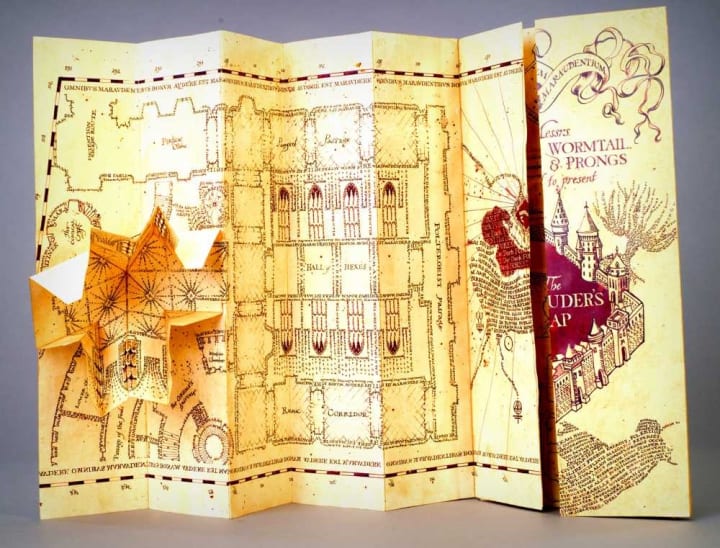
Fred and George Weasley had a treasure trove of magical objects, and the Marauder’s Map was one of their most prized possessions. They stole it from Argus Filch’s office and quickly realized it was no ordinary map. It had a secret.
This map was created by four mischievous Hogwarts students—James Potter, Remus Lupin, Sirius Black, and Peter Pettigrew—collectively known as the Marauders. Near the end of their time at Hogwarts, Filch confiscated the map. Some speculate the Marauders deliberately let the map fall into his hands, hoping that someday, curious students like themselves would unlock its secrets.
After stealing it, Fred and George tried various enchantments to activate it. The map itself responded to them—perhaps because they resembled James and Sirius in both spirit and mischief. Eventually, they uncovered the map’s secret through the same magical processes the Marauders had embedded in it.
So, why did the map insult Severus Snape when he examined it?
Because the Marauders were his classmates and notorious tormentors. They had deliberately enchanted the map to mock Snape if he ever tried to access its secrets. To anyone else, it remained a blank parchment.
4) How did Muggle-borns convert Muggle money into wizarding currency?
Muggle-borns are witches or wizards born to non-magical parents—like Hermione Granger or Lily Potter. So, how did their families exchange Muggle money for wizarding currency upon entering Hogwarts?
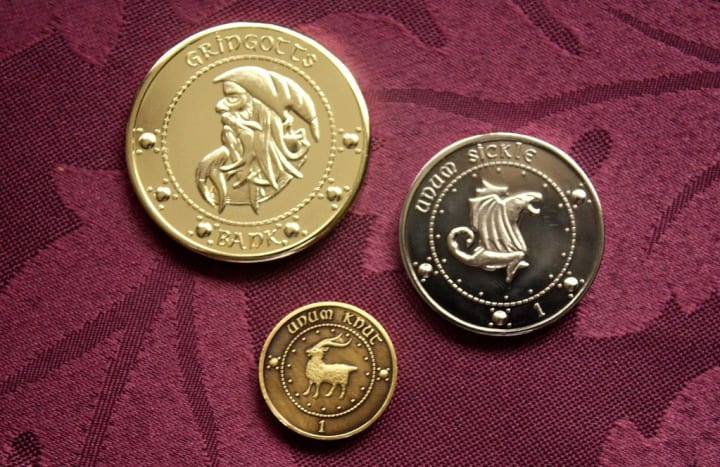
The answer lies in Gringotts Wizarding Bank, which handles all financial transactions in Britain’s wizarding world. In the second book, it's mentioned that Hermione’s parents exchanged British pounds for wizarding coins.
There are three types of wizarding coins: the gold Galleon, silver Sickle, and bronze Knut.
1 Galleon = 17 Sickles
1 Sickle = 29 Knuts
1 Galleon = 493 Knuts
1 Galleon = £4.93
1 Sickle = £0.29
1 Knut = £0.01
As of today, £1 = 132 Bangladeshi Taka.
So:
1 Knut = ৳1.32
1 Sickle = ৳38.39
1 Galleon = ৳652.55
5) After missing the train, how did Harry and Ron enter the magical world from the Muggle world?
In their second year, Harry and Ron missed the Hogwarts Express. They then flew to Hogwarts using Mr. Weasley’s enchanted car. But how did they transition between the Muggle and magical worlds?
The truth is—they didn’t change any portals. Platform Nine and Three-Quarters at King’s Cross Station is a magically concealed platform that’s been charmed for centuries, hidden from Muggle eyes. It opens only once a year on September 1st, when the Hogwarts Express departs.
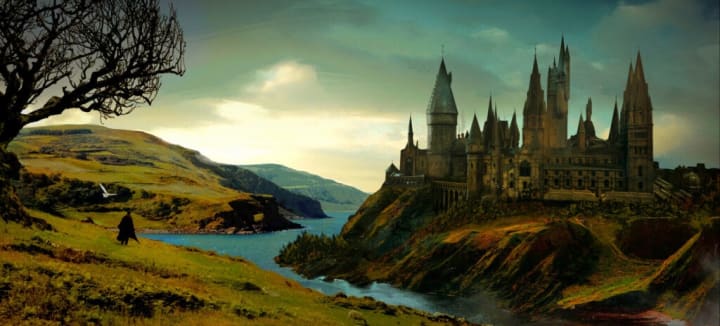
Interestingly, the Hogwarts Express travels through regular Muggle terrain—fields, rivers, hills—before reaching Hogsmeade, not Hogwarts itself. From there, first-years cross the Great Lake by boat with Hagrid, while older students take carriages.
Hogwarts is not located in an alternate magical realm; it’s in a remote, forest-shrouded area of Scotland. Its location is heavily charmed to remain invisible and inaccessible to Muggles.
So Harry and Ron didn’t need a special portal. They simply followed the train using their flying car and reached Hogwarts.
[To be continued…]
Maraude's
About the Creator
Riham Rahman
Writer, History analyzer, South Asian geo-politics analyst, Bengali culture researcher
Aspiring writer and student with a deep curiosity for history, science, and South Asian geopolitics and Bengali culture.
Asp
Keep reading
More stories from Riham Rahman and writers in Journal and other communities.




Comments
There are no comments for this story
Be the first to respond and start the conversation.