
Ultimate Guide to the Everest Base Camp Trek
An iconic destination, the Everest Base Camp is very popular among trek enthusiasts.

Synopsis
An iconic destination, the Everest Base Camp is very popular among trek enthusiasts. Trekking to Everest Base Camp is an adventure and offers glimpses of diverse cultures and scenic landscapes. Reaching Kalapatthar at an elevation of 5644.5 m to relish the close-up views of Mt. Everest and surrounding peaks is unforgettable. Indeed, the entire Everest Base Camp trek is memorable. Thus, here is an ultimate guide to the Everest Base Camp trek to simplify your trek journey.
Key Information at a Glance
Maximum Elevation: 5644.5m (Kalapatthar)
Physical Grading: Moderate
Best Seasons: Spring (March-May) & Autumn (September-November)
Accommodation: Basic teahouses along the trail
Meals: Full board during the trek (healthy, hygienic meals)
Permits Required: Sagarmatha National Park, Khumbu Pasang Lhamu Rural Municipality, and Trekkers Information Management System (TIMS)
Trek Route: Lukla – Phakding – Namche Bazaar – Tengboche – Dingboche – Lobuche – Gorakshep -Everest Base Camp – Gorakshep – Kalapatthar – Pheriche – Tengboche - Namche - Lukla
Why Choose the Everest Base Camp Trek?
Iconic Trek
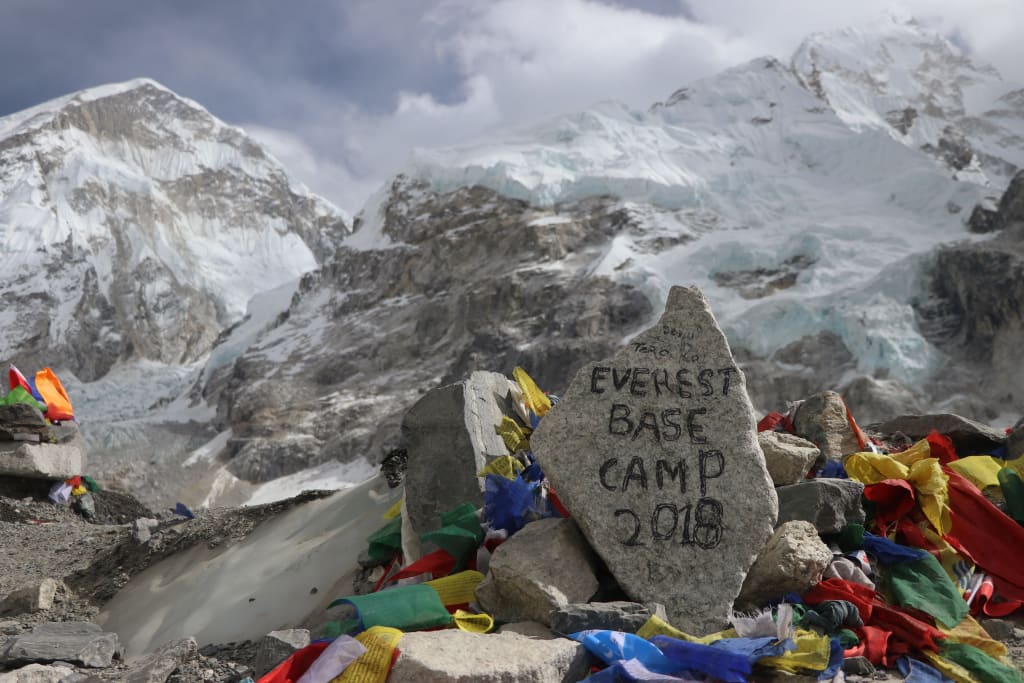
Everest Base Camp, at an elevation of 5,364 m, is the iconic trek that is the dream destination of several trek enthusiasts. The huge Khumbu Icefall along the trail looks impressive. The trek journey from Lukla to the base camp is full of adventure, making it a memorable trek of a lifetime.
Phenomenal Himalayan Views
The scenic views of the snow-covered mountains throughout the trek are eye-pleasing. The close-up views of the world’s highest Mt. Everest (8848.86 m), Lhotse, Nuptse, etc., are phenomenal. Sunrise or sunset views over these majestic mountains add dramatic beauty to the trek.
Cultural Immersion
The Everest region is home to the brave Sherpas. The trek to the Everest Base Camp provides an opportunity to immerse in the authentic Sherpa culture. Witnessing the local culture, tradition, and lifestyle of the Sherpas is intriguing. Interact with friendly locals for a deeper cultural immersion. Attend the Mani Rimdu festival if you visit in the month of Oct/Nov.
Buddhist Monasteries
The base camp trek is not only about the natural beauty but the prominent rich culture as well. Experience the spiritual aura passing through Ancient Buddhist monasteries, chortens, prayer flags, and mani stones during the trek. Visit several monasteries, including the largest, Tengboche, and the oldest Pangboche monastery.
Adventure with Variety
The base camp trek is full of adventure with variety. A hike to beautiful villages or sightseeing at nearby places as a part of the acclimatization schedule is interesting. A great chance for trekkers to get close to the locals and the beauty of the Everest.
Everest Base Camp Trek: How to Prepare and What to Expect?
Accommodation and Meals
Teahouse accommodations are the beauty of trekking in the mountains. Basic but comfortable accommodation includes limited facilities. Meals during the trek are healthy and hygienic. Traditional Nepali dishes with a few options of Indian and continental cuisines. Coffee shops, Pubs, and Restaurants at Namche make this Everest trek distinct from others in terms of extra facilities. Drinking water options are buying mineral water bottles or boiled water. We suggest staying hydrated to prevent altitude sickness. Washrooms are primarily outside the teahouses as the altitude rises.
Physical Preparation and Fitness
The base camp trek consists of elevation gain up to an altitude of 5644.5 m. Thus, the Everest Base Camp is a moderate trek that is physically challenging. It demands trekkers to be both physically and mentally fit. Walking on rough terrain for long hours daily with several ascends and descends is tiring. Participate in exercises covering cardiovascular fitness and leg strength before starting the trek. If necessary, get a consultation from a doctor. During the trek, follow the trek guidelines strictly and take acclimatization rest as scheduled.
Gear and Packing List
Warm clothing: Insulating layers, down jackets, trekking pants, thermals
Trekking boots: Durable, waterproof boots
Sleeping bag: Suitable for temperatures as low as (-10°C)
Accessories: Sunglasses, sunscreen, hats, trekking poles, headlamps, and a water purification system
Permits and Fees
- Khumbu Rural Municipality Permit: NPR 3000/person
- Sagarmatha National Park (SNP): NPR 3000/person
- TIMS (Trekkers Information Management System): NPR 2000/person
Best Seasons to Trek
Everest Base Camp trekking is possible to do in all seasons. However, for better trek experiences, we suggest trekking in the best seasons, i.e., Spring (March to May) and Autumn (September to November). The natural beauty is enhanced during these seasons, offering clear views, suitable weather, and stable temperatures. Comfortable walking trails, availability of facilities, and blooming flowers (during Spring) make it an ideal season.
Winter (December to February) and Monsoon (June to August) season trekking offers distinct views, yet the challenge of slippery trails and unpredictable weather should be considered. Hence, plans should be made according to it for interested trekkers.
Conclusion
An ultimate guide to the Everest Base Camp trek is here to provide you with useful tips for your memorable trek journey. The base camp trek is abundant with diverse offerings. Such as scenic vistas, snow-covered mountains, traditional Sherpa culture, Buddhist monasteries, and teahouse accommodation. Experience the rich culture and natural beauty and capture the memories in your camera. With the right planning and preparation, the Everest Base Camp trek is achievable. Overall, this trek is a physical and mental reward that helps to build confidence among the trekkers. A victorious trek completion adds a sense of achievement.
Everest Base Camp Trek Routes
- Everest Base Camp Trek
- Everest Base Camp Trek via Salleri
- Everest Base Camp Trek via Jiri
- Everest Base Camp via Cho La Pass
- Everest 3 High Passes Trek
- Everest Panorama Trek
- Everest Luxury Trek
- Everest View Trek
- Pikey Peak Trek
- Gokyo Ri Trek
- Everest Base Camp Trek with Helicopter Fly Out
- Gokyo via Renjo Pass
- Luxury Everest Base Camp Trek
- Everest Base Camp Helicopter Landing Tour
- Everest Base Camp Yoga Trek
- Mera Peak Base Camp Trek
- Everest Base Camp Trek Return to Lukla by Helicopter
About the Creator
Outdoor Himalayan Treks
Outdoor Himalayan Treks, established and reliable Nepalese tour company.
We focus on adventure tour, trekking, sightseeing, jungle safari, rafting, peak climbing and mountaineering.
Keep reading
More stories from Outdoor Himalayan Treks and writers in Journal and other communities.
The Ultimate Guide to Manaslu Circuit Trek
Synopsis Manaslu region is a remote and hidden gem in Nepal that is less explored and hence less crowded. The Manaslu Circuit in the Manaslu region takes you to the remote trek experience through unspoiled nature, incredible mountain vistas, and ancient Tibetan culture. Here is the ultimate guide to Manaslu Circuit trek for those seeking an off-the-beaten-path adventure. The off-beat and remoteness of the region, along with its pristine beauty, offers a unique experience than that of popular Everest and Annapurna region treks.
By Outdoor Himalayan Treks10 months ago in Journal
Buried for 33 Years, the Dream to Revive One of the Country’s Largest Gold Mines Is Suddenly Back on the Map
Precious metals markets are undergoing a shift rarely seen in recent decades. While gold often dominates headlines, silver has quietly surged in both investor interest and industrial demand — creating strains on traditional supply channels and prompting bold strategic moves from major players. One of the most notable developments is MMTC-PAMP’s plan to launch a silver recycling pilot within three months to help counter supply concerns*.
By Salaar Jamali3 days ago in Journal
TUS NUA - ch 49
TUS NUA – ch 49 New Beginnings – Mia and Midnight (*)(*)(*) As Mia spoke on the phone to Ali’s sister, Ellen, Finola slipped quietly away and walked to the stream behind Tus Nua. Carefully, she put a block on her family so no one could know what she was about to do.
By Margaret Brennan4 days ago in Fiction



Comments
There are no comments for this story
Be the first to respond and start the conversation.