
Buried for 33 Years, the Dream to Revive One of the Country’s Largest Gold Mines Is Suddenly Back on the Map
MMTC‑PAMP to launch silver recycling pilot in 3 months amid tightening supply and soaring demand — a strategic step toward bridging future metal shortages.

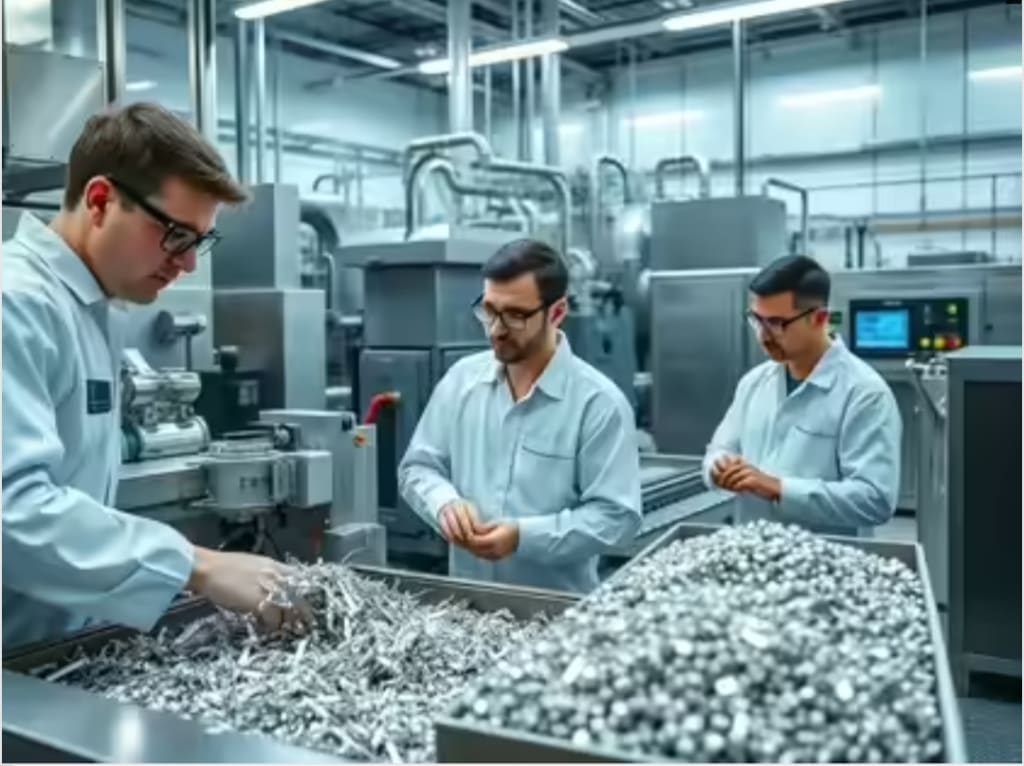
Precious metals markets are undergoing a shift rarely seen in recent decades. While gold often dominates headlines, silver has quietly surged in both investor interest and industrial demand — creating strains on traditional supply channels and prompting bold strategic moves from major players. One of the most notable developments is MMTC-PAMP’s plan to launch a silver recycling pilot within three months to help counter supply concerns*.
MMTC‑PAMP — one of India’s largest and most reputable precious metals refiners, jointly owned by India’s MMTC Ltd and Switzerland’s PAMP SA — is setting the stage for a new phase in how silver is sourced, processed, and recycled. The initiative emerges against a backdrop of soaring silver prices, tight global supply, and rising investor retail demand, all of which have pushed industry stakeholders to rethink how silver flows through markets.
---
Why Silver Recycling Is Suddenly a Priority
Silver markets have experienced unprecedented momentum over the past year. Prices have climbed roughly 130–140% globally, nearly doubling the performance of gold in the same period. On the local bullion market, silver recently hit record price levels — a sign of both heightened investor interest and constrained supply.
At the same time, global mine production capacity shows little sign of rapid expansion, even as demand grows for silver used in electronics, solar panels, batteries, medical devices, photography, and as an investment asset. With production plateauing, the margin to meet burgeoning demand narrows — and that’s where recycling comes in.
According to Samit Guha, Managing Director and CEO of MMTC‑PAMP, the economics of silver recycling have shifted favorably. “If silver demand keeps going the way it is, we could have serious supply‑side constraints. Eventually, recycled silver will have to play a bigger role to fill this gap,” he told reporters.
---
MMTC‑PAMP’s Pilot: How It Will Work
MMTC‑PAMP is leveraging its existing footprint to test silver recycling. The plan is to launch a pilot program within three to four months, likely beginning in Delhi, using select stores originally set up for gold recycling. These outlets will undergo equipment upgrades, recalibration, and staff training to handle silver, which has its own physical and chemical characteristics distinct from gold.
The company currently operates 20 stores focused on gold recycling, and these locations will serve as springboards for silver operations before a broader rollout. Guha emphasized that the required upgrades, while necessary, are not prohibitively expensive — indicating confidence in the pilot’s viability.
Beyond the pilot phase, the company plans to double its store network over the next five years, vastly expanding the national infrastructure for both gold and silver recycling. This would create a distributed ecosystem across India where used silver — from jewelry, industrial scraps, and other sources — can be systematically collected and reintroduced into the supply chain.
---
The Bigger Picture: Household Silver Holdings and Policy Support
One of the most compelling arguments for recycling is the sheer volume of silver already in private hands. Guha pointed out that Indian households are estimated to hold around 25,000 tonnes of gold and nearly ten times that amount in silver, representing a vast resource often underutilized for formal supply channels.
In this context, recycling isn’t just an industrial strategy — it’s a national asset management opportunity. Turning household silver into usable supply could reduce pressure on imports, lower market tightness, and help stabilize prices over the long term.
However, Guha also stressed that government encouragement and policy support are crucial. Incentives, streamlined regulations, and public awareness could accelerate recycling adoption while ensuring high environmental and purity standards.
---
Expansion Beyond Recycling: Minting and Digital Commerce
The pilot isn’t the only major initiative on MMTC‑PAMP’s agenda. The company is also moving to expand its minting business, especially across South and Eastern India, with plans to raise annual minting capacity from 2.4 million coins to 3.6 million coins. Such growth aligns with rising demand for manufactured silver products.
Simultaneously, MMTC‑PAMP is broadening its digital commerce offerings — selling physical silver coins and bars through its website and major online marketplaces like Amazon and Flipkart. Alongside this, the company is enhancing its digital gold and silver products, tapping into a trend where investors increasingly seek convenient, online exposure to precious metals.
---
What This Means for Investors and the Industry
For investors, the recycling pilot signals a deeper shift in how silver markets may evolve. Recycling could eventually:
Alleviate supply constraints, making silver more available for retail buyers and industrial users.
Ease price volatility over time by increasing sources of supply without relying solely on mining.
Encourage price stability, as more silver reenters formal markets.
Moreover, as MMTC-PAMP strengthens its infrastructure and distribution channels, retail access to silver — both physical and digital — is likely to improve, attracting new participants to the metals market.
But broader adoption will hinge on industry cooperation, regulatory frameworks, and consumer education. Recycling programs must ensure purity, transparency, and fair compensation to build trust among sellers — particularly households holding old jewelry or scrap silver.
---
Conclusion: A Strategic Pivot in Silver Supply
MMTC‑PAMP’s decision to launch a silver recycling pilot within the next three months represents a pivotal moment for India’s precious metals sector. Faced with tight supply, rising prices, and intense demand, the company’s move underscores how recycling — once a secondary consideration — has become a strategic necessity in securing future silver supply.
By leveraging existing infrastructure, expanding minting capacity, and embracing digital sales, MMTC‑PAMP is positioning itself at the forefront of a transforming market — one where silver recycling may become as essential as mining itself. As the pilot unfolds, all eyes will be on how this initiative reshapes the metals landscape and whether it can successfully bridge the gap between supply shortages and demand realities.
About the Creator
Keep reading
More stories from Salaar Jamali and writers in Journal and other communities.
Bitcoin Regret Is Coming for Anyone Ignoring Coinbase CEO’s 5% Rule as Banks Fight to Cap Gains
In the rapidly evolving world of cryptocurrency, investor strategy conversations have shifted from whether to hold Bitcoin to how much Bitcoin to hold. That shift has become sharply visible thanks to a stark recommendation from Brian Armstrong, CEO of major U.S. exchange Coinbase, to allocate at least 5% of your net worth to Bitcoin — a message that’s now colliding with cautious risk limits being adopted by major banks and wealth managers.
By Salaar Jamaliabout 10 hours ago in Journal
Building Modern Applications with Cloud-Native Architecture Patterns
Any time cloud-native architecture comes up, the conversation usually gets heavy fast. People start throwing around terms that sound impressive but don’t always mean much in real projects. Most of that confusion doesn’t come from actually building software. It comes from slide decks, vendor demos, and blog posts that try too hard to explain simple ideas.
By Jonathan Byers7 days ago in Journal




Comments
There are no comments for this story
Be the first to respond and start the conversation.