
Trump administration moves to end New York City congestion hikes
congestion pricing

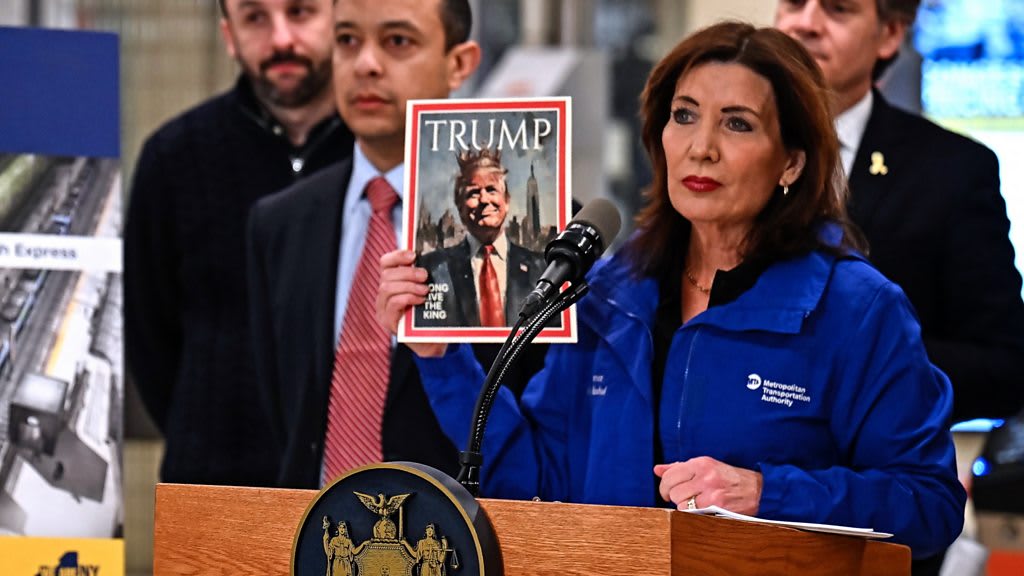
In a move that has surprised many, the Trump administration has announced plans to end New York City's controversial congestion pricing hikes. The decision comes after years of debates, protests, and legal battles over the implementation of the congestion pricing program, which was originally designed to address the city’s traffic congestion and improve air quality. While proponents of congestion pricing argue that it could reduce gridlock and raise funds for public transportation, critics have voiced concerns about its impact on middle-class commuters and businesses in the city.
With this bold new action, the Trump administration seeks to reverse one of the most ambitious urban transportation initiatives in the country, a move that has sparked mixed reactions from New Yorkers, politicians, and transportation advocates. This article will delve into the history of the congestion pricing plan, the implications of the Trump administration’s decision, and what it means for the future of New York City’s traffic problems.
A Brief History of Congestion Pricing in New York City
Congestion pricing has been a topic of discussion in New York City for nearly two decades. The idea is simple: charge drivers a fee to enter the busiest parts of Manhattan during peak hours. This system is designed to reduce traffic congestion, lower pollution levels, and generate revenue that can be reinvested into public transportation. The proposal was first championed by transportation advocates and urban planners, who argued that it would improve the quality of life for city residents by reducing gridlock and encouraging the use of alternative modes of transportation, such as public transit, biking, and walking.
New York City’s congestion pricing plan gained momentum in 2019 when Governor Andrew Cuomo announced that it would move forward. The plan called for a tolling system that would charge drivers to enter Manhattan’s central business district south of 60th Street, with rates varying based on the time of day and level of congestion. The revenue generated from the program was earmarked to fund improvements to the city’s subway and bus systems, which have long suffered from underfunding and delays.
Despite its potential benefits, the congestion pricing plan faced significant opposition. Critics argued that it would disproportionately affect middle-class commuters who rely on their cars to get in and out of the city. Some business owners also expressed concern that the fees would discourage customers from coming to their stores, potentially hurting local economies. Additionally, there were fears that the tolling system would place an undue burden on low-income residents who depend on vehicles for work or other essential activities.
Despite these objections, the plan moved forward, and in March 2021, the Federal Highway Administration approved the program, allowing it to go into effect in 2023. However, with the announcement from the Trump administration, this approval is now at risk.
The Trump Administration’s Decision to End the Congestion Hikes
In a surprising move, the Trump administration has moved to halt New York City’s congestion pricing program, citing concerns about its economic impact on residents and businesses. The administration argues that the fees would impose an unfair burden on everyday New Yorkers, particularly those who rely on driving to access work, schools, and essential services. According to officials, the increased costs would be particularly burdensome for families who are already facing financial strain due to the ongoing economic challenges brought about by the COVID-19 pandemic.
One of the main reasons behind the administration’s intervention is the belief that the congestion pricing plan would exacerbate existing inequalities in the city. While proponents of the program argue that it would reduce traffic and improve air quality, critics point out that it could hurt working-class New Yorkers who are already struggling to make ends meet. These individuals may not have access to affordable alternatives like public transportation or biking, making the cost of driving into the city prohibitive.
The Trump administration’s move to end the congestion hikes is also seen as a direct challenge to New York City’s local government, which has long been a strong advocate for the program. Mayor Bill de Blasio, a vocal supporter of the congestion pricing plan, has expressed disappointment with the federal government’s decision, calling it a step backward for New York City’s environmental and transportation goals. However, the Trump administration has indicated that it will work with local officials to find a solution that addresses both traffic congestion and economic concerns.
Impact on New York City’s Transportation System
The Trump administration’s decision to block the congestion pricing program has significant implications for New York City’s transportation system. If the program is halted permanently, the city will likely have to explore alternative methods to address its traffic congestion problem. With over 8 million residents and a population density that far exceeds that of most other U.S. cities, New York City faces chronic gridlock, especially in the central business district.
The revenue generated from the congestion pricing program was intended to help fund much-needed improvements to the city’s aging subway and bus systems. For years, New York’s public transportation infrastructure has faced delays, overcrowding, and a lack of investment, leaving many residents frustrated with their daily commutes. Without the influx of funding from congestion pricing, the city may struggle to implement the necessary upgrades, further exacerbating the transportation challenges that many New Yorkers face.
Additionally, the city’s air quality may suffer as well. Traffic congestion is one of the leading contributors to air pollution in New York City, and without the congestion pricing program, emissions from vehicles could continue to rise. Environmental advocates have warned that the city will miss an important opportunity to reduce its carbon footprint and improve public health by failing to implement the program.
The Political Ramifications
The Trump administration’s move to block the congestion pricing program has ignited a political firestorm, particularly in New York City, where the plan has been widely supported by progressive leaders. Mayor Bill de Blasio and Governor Andrew Cuomo, both Democrats, have been strong advocates for the program, arguing that it is a necessary step to combat traffic congestion, reduce pollution, and improve the city’s public transportation system.
In contrast, the Trump administration’s intervention is being viewed as part of a broader ideological conflict between the federal government and liberal state and local governments. Republicans, including President Trump, have consistently criticized progressive policies aimed at addressing climate change and urban development. The decision to halt the congestion pricing program is seen as another example of the administration’s pushback against initiatives supported by Democratic leadership in cities like New York.
What’s Next for New York City?
As the Trump administration’s decision to end the congestion hikes unfolds, the future of New York City’s traffic and transportation system remains uncertain. Local officials are already working to explore alternative solutions to combat gridlock and improve air quality. Some have suggested increasing investment in public transit infrastructure, while others are calling for the implementation of other congestion-reducing measures, such as expanded bike lanes or carpooling incentives.
It remains to be seen whether the Trump administration’s decision will be upheld in court or whether New York City will find a way to move forward with its congestion pricing plan. However, one thing is clear: the city’s transportation challenges will not go away on their own, and a solution will need to be found that balances the needs of commuters, businesses, and environmental advocates alike.
Conclusion
The Trump administration’s move to end New York City’s congestion pricing hikes has sparked a heated debate over the future of the city’s transportation system. While some argue that the plan would alleviate traffic congestion and improve air quality, others believe it would disproportionately affect working-class New Yorkers and businesses. As the situation continues to unfold, the fate of the congestion pricing program remains uncertain, and the city’s leaders will need to find a way forward that addresses the complex challenges of traffic, transportation, and sustainability in one of the world’s busiest cities. The next steps for New York City and its residents will have significant implications for the future of urban mobility in the United States.
About the Creator
Keep reading
More stories from Arean Ahamad and writers in Journal and other communities.
LaVar Ball father of LaMelo and Lonzo undergoes foot amputations due to health issue
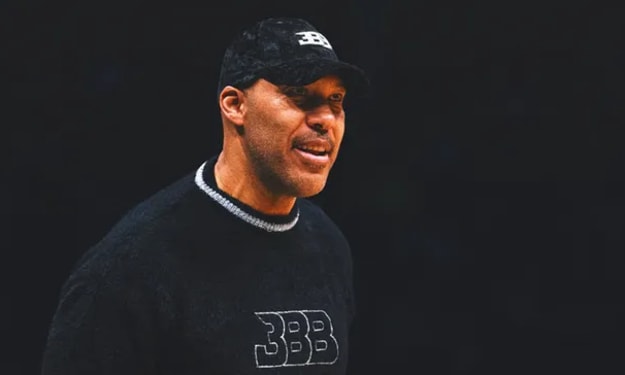
LaVar Ball, the charismatic and controversial father of NBA stars Lonzo, LaMelo, and LiAngelo Ball, has always been a larger-than-life figure in the sports world. Known for his bold claims, unapologetic attitude, and unwavering belief in his sons' abilities, LaVar has made headlines more times than most basketball players. However, recently, LaVar’s personal life took an unexpected turn as he faced a serious health issue that resulted in him undergoing a foot amputation. This has been a shocking development for fans of the Ball family, who have followed LaVar's journey and his role in the rise of his sons to basketball prominence.
By Arean Ahamad11 months ago in Journal
Piergiorgio Corallo: when rock turns gentle
Piergiorgio Corallo is not an artist who rushes to occupy space. Not because he lacks things to say, but because he seems careful about when and how to say them. In a time when visibility is often confused with relevance, Corallo moves differently, almost laterally. In via di sviluppo is an album that exposes uncertainty, internal tension, and emotional imbalance, yet its author keeps a measured public presence, almost deliberately restrained. It’s a position that feels increasingly rare, especially within independent music scenes shaped by constant exposure.
By The Global Verge2 days ago in Journal



Comments
There are no comments for this story
Be the first to respond and start the conversation.