
The World Meets in the Amazon: COP30 and the Urgent Race to Save Our Planet
As global leaders gather in Brazil, the 2025 climate summit could define the future of energy, economy, and humanity

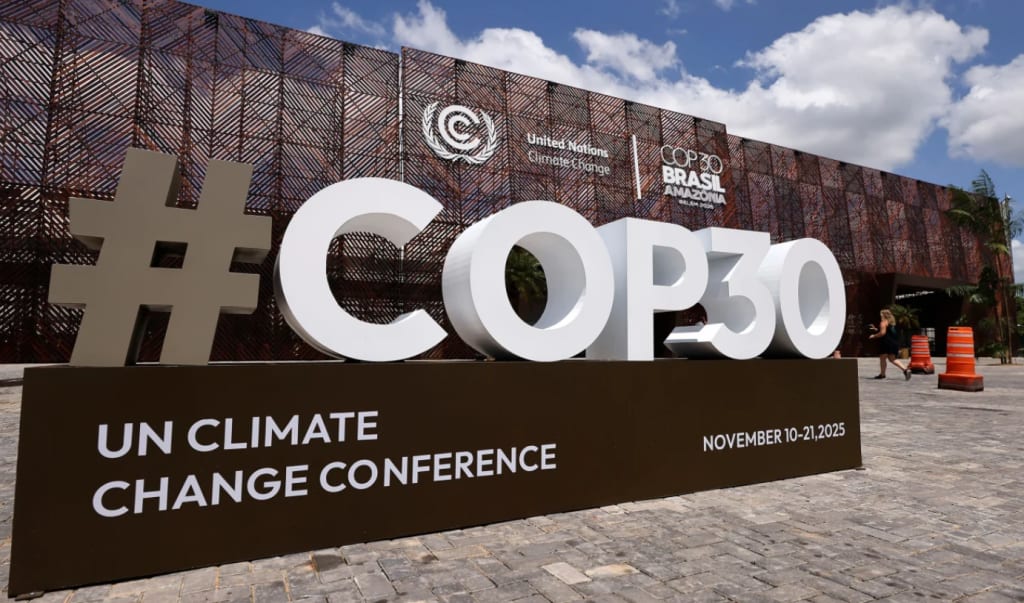
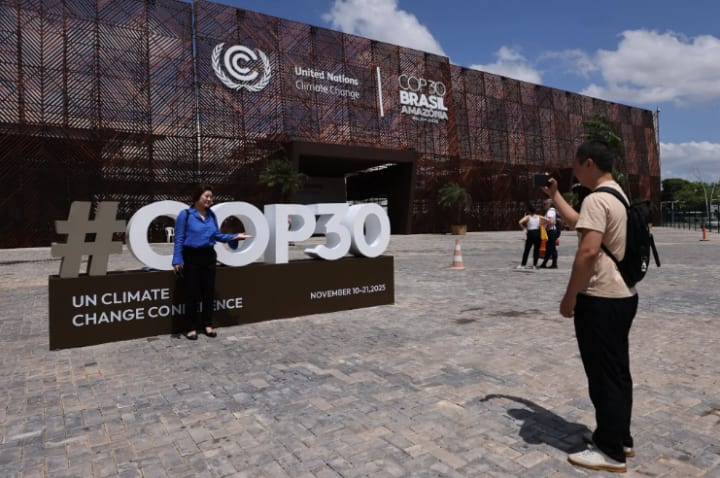
In the heart of the Amazon rainforest, where the air is thick with humidity and history, world leaders, activists, and scientists have gathered for one of the most important environmental meetings of our time — COP30, the United Nations Climate Change Conference.
Hosted in Belém, Brazil, this year’s summit carries enormous symbolic and practical weight. The Amazon — often called the “lungs of the Earth” — is both a source of hope and a warning. Its sprawling forests absorb billions of tons of carbon dioxide each year, yet relentless deforestation and industrial exploitation continue to push it toward collapse.
The message from COP30 is clear: humanity is running out of time.
A Planet at a Crossroads
As temperatures soar and extreme weather events multiply, the urgency of climate action has never been more obvious. The past two years have seen record-breaking heat waves in Europe, devastating wildfires in Canada, and severe flooding across Asia.
Global scientists warn that the planet is dangerously close to breaching the 1.5°C warming threshold, a critical tipping point that could make parts of the world uninhabitable within decades.
COP30’s agenda focuses on two central goals:
- Accelerating the transition away from fossil fuels toward renewable energy.
- Financing climate adaptation for developing nations that are already facing catastrophic impacts.
But as with past summits, the challenge lies not in identifying the problems — it’s in securing the political will and financial commitment to solve them.
Why Brazil Matters
This year’s host country, Brazil, plays a pivotal role in the global climate equation. Home to nearly 60% of the Amazon rainforest, Brazil holds one of the most powerful levers in the fight against climate change: preservation of the world’s largest carbon sink.
President Luiz Inácio Lula da Silva has vowed to end illegal deforestation by 2030 and to position Brazil as a global leader in sustainable energy. Under his administration, deforestation rates have already declined, reversing years of environmental backsliding.
However, Lula faces internal tensions between economic growth and environmental protection. Agribusiness and mining interests — powerful forces in Brazilian politics — continue to push for expanded land use in the Amazon. COP30 has become a global stage for these competing visions of the future.
Promises and Tensions
So far, the conference has produced both optimism and friction.
- sveral nations, including Germany, Canada, and Japan, announced new funding for green energy transitions in developing countries.
- The United States pledged a multibillion-dollar package to support reforestation and methane reduction initiatives.
- Yet, disagreements persist over who should pay the most — a recurring debate between industrialized nations and the Global South.
Developing countries argue that wealthier nations, which have historically produced the most carbon emissions, should bear a greater share of the costs. “We are suffering from a crisis we did not create,” said one delegate from Kenya, echoing a sentiment shared by many.
The Voices from the Forest
What sets COP30 apart is not only its location but its inclusion of indigenous communities — the very people who live within and protect the Amazon basin. Their message is heartfelt and urgent: preserving the forest means preserving humanity.
For decades, indigenous activists have fought to protect their ancestral lands from illegal logging, mining, and agribusiness. Their presence at COP30 represents a moral compass for the global conversation — a reminder that climate change is not just a scientific issue, but a human one.
As one indigenous leader from Pará said during the opening ceremony:
“We have protected this forest for centuries. Now we ask the world to protect it with us.”
What’s at Stake
The success or failure of COP30 will ripple across every corner of the planet. Energy policies, food prices, migration patterns, and even public health depend on the choices made here.
If nations commit to concrete, verifiable emissions cuts and deliver on promised climate financing, COP30 could mark a genuine turning point — a move from promises to progress. But if political posturing prevails, the summit risks becoming another missed opportunity in a long line of unfulfilled pledges.
The world has reached a moment when climate delay equals climate denial.
A Global Call to Action
As the conference unfolds in the Amazon, one truth stands tall among the trees: we are all connected. The fate of a rainforest thousands of miles away influences the air we breathe, the crops we grow, and the stability of our climate.
COP30 is not just another diplomatic gathering — it is a test of whether humanity can finally act like a single species with a shared destiny.
The question now isn’t whether we can afford to act. It’s whether we can afford not to.
#COP30 #ClimateAction #AmazonRainforest #Sustainability #GlobalWarming #GreenFuture #Environment #RenewableEnergy #ClimateCrisis
About the Creator
Shakil Sorkar
Welcome to my Vocal Media journal💖
If my content inspires, educates, or helps you in any way —
💖 Please consider leaving a tip to support my writing.
Every tip motivates me to keep researching, writing, sharing, valuable insights with you.
Keep reading
More stories from Shakil Sorkar and writers in Journal and other communities.
Markets Rally as U.S. Senate Moves to End Historic Government Shutdown
For more than a month, the United States has been caught in the throes of the longest federal government shutdown in its history — a political stalemate that froze critical agencies, delayed paychecks, and rattled public confidence. But this week, there’s finally a glimmer of optimism.
By Shakil Sorkar2 months ago in Journal
The Quiet Link Between Evening Light and Restless Sleep
For a long time, I believed my restless sleep was caused by what happened in my head. Too much thinking. Too much stress. Too many unfinished thoughts that followed me into the night. I tried calming routines, earlier bedtimes, and stricter boundaries around work. Some nights improved. Many did not.
By illumipure5 days ago in Journal
Wild Card Weekend Recap: What Happens Now?
I think I figured out why I love Wild Card Weekend so much. It's because it's the first playoff anything of the calendar year. The NFL season starts in the fall, and once upon a time, the champion was crowned either on or slightly before New Year's. The evolution of the NFL schedule has resulted in the playoffs starting just into the New Year, and currently, the final week of the season falls on the first weekend of the New Year, with Wild Card Weekend coming a week after that. So yes, chronologically, the NFL's Wild Card Weekend serves as the first playoff anything of the calendar year.
By Clyde E. Dawkins7 days ago in Unbalanced




Comments
There are no comments for this story
Be the first to respond and start the conversation.