
Markets Rally as U.S. Senate Moves to End Historic Government Shutdown
Investors cheer signs of progress in Washington, but economists warn that relief may be short-lived

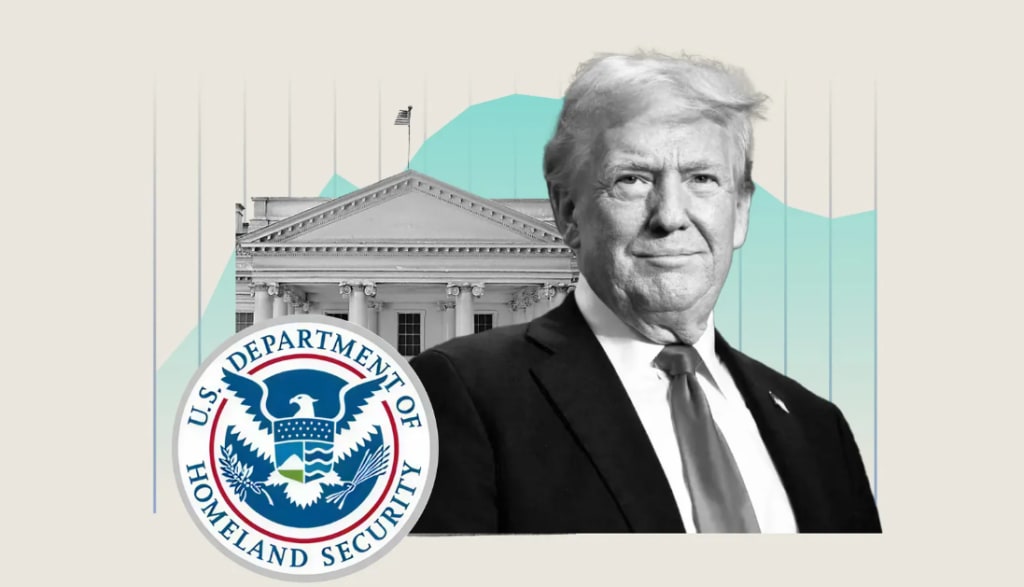
For more than a month, the United States has been caught in the throes of the longest federal government shutdown in its history — a political stalemate that froze critical agencies, delayed paychecks, and rattled public confidence. But this week, there’s finally a glimmer of optimism.
The U.S. Senate voted 60–40 to advance a bipartisan funding measure that would temporarily reopen government operations through January 30, 2026, ending 40 days of gridlock. The move sent financial markets sharply higher, with investors betting that Washington’s long-awaited breakthrough could stabilize an economy that’s been running on uncertainty.
Wall Street Reacts with Relief
Markets love clarity — and that’s exactly what the Senate vote provided. Within hours of the announcement, the Dow Jones Industrial Average surged by over 350 points, while the S&P 500 and Nasdaq Composite also posted strong gains. Treasury yields ticked upward as investors rotated back into riskier assets, a signal that confidence may be returning.
Energy, defense, and infrastructure stocks — sectors heavily reliant on federal contracts — were among the biggest winners. Airlines and travel companies also rebounded after weeks of disruption caused by FAA staffing shortages and thousands of cancelled flights during the shutdown.
“Investors are reacting less to the policy details and more to the psychological relief,” said one New York-based financial analyst. “The market hates uncertainty, and even a temporary funding deal feels like a step toward normalcy.”
Behind the Rally: The Bill That Broke the Deadlock
The stop-gap funding bill, known as a continuing resolution (CR), will keep most government agencies funded at current levels while guaranteeing back pay for furloughed federal workers. It also extends key programs such as veterans’ benefits and food assistance, avoiding deeper disruptions.
However, it does not resolve deeper policy disagreements — particularly over healthcare funding, environmental cuts, and the national debt limit. Lawmakers now face a six-week window to negotiate a longer-term deal before the next fiscal cliff at the end of January.
Economists caution that the markets’ enthusiasm could fade quickly if partisan bickering resumes. “This is a reprieve, not a resolution,” warned economist Lisa Chang of Brookfield Insights. “The shutdown may end, but the uncertainty around fiscal stability and federal spending will linger well into 2026.”
The Human and Economic Cost
Even as investors celebrate, the toll on ordinary Americans is undeniable. The Congressional Budget Office (CBO) estimates that the shutdown has already cost the U.S. economy more than $7 billion in lost productivity. Federal workers have missed multiple paychecks; small businesses that depend on federal contracts are struggling to stay afloat; and government services from passport processing to food-safety inspections have been severely disrupted.
The travel sector has been among the hardest hit. Over the weekend, more than 10,000 flights were delayed and 2,800 cancelled — the worst aviation disruption since the pandemic. Tourism boards warn that the damage could take months to recover.
For millions of Americans, even a short-term reopening will bring immediate relief: paychecks restored, agencies reopened, and long-delayed projects back in motion. Yet, the temporary nature of the deal means uncertainty could return early next year if Congress fails to reach a broader agreement.
Political Implications
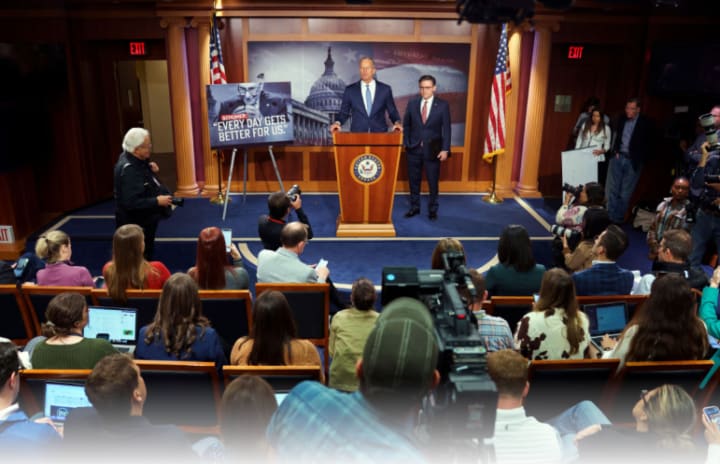
The Senate vote is being hailed as a victory for bipartisanship — albeit a fragile one. Eight senators crossed party lines to support the procedural motion, signaling a shared desire to restore basic government functions.
However, the measure still faces an uphill battle in the House of Representatives, where partisan divisions remain sharp. Both parties are already framing the outcome for political advantage: Democrats emphasize the need for stable governance, while Republicans stress fiscal restraint.
Political analysts say the optics matter as much as the outcome. “After 40 days of dysfunction, voters want to see competence,” said commentator James Walters. “If the government reopens and paychecks flow again, both sides can claim partial credit — but if talks collapse again in January, the blame will be swift and severe.”
A Fragile Optimism
For now, Wall Street’s rally captures a collective sigh of relief — not just from investors, but from millions of Americans who rely on the government’s day-to-day functions. The Senate’s progress offers a flicker of hope that compromise is still possible in a divided Washington.
But as economists and political watchers alike caution, this is a pause, not peace. Unless Congress can turn a short-term truce into a lasting agreement, the nation may once again find itself on the brink — and next time, the economic fallout could be even harder to contain.
#GovernmentShutdown2025 #USPolitics #MarketNews #EconomicImpact #SenateVote #BreakingNews #Investing #WallStreet #Congress
About the Creator
Shakil Sorkar
Welcome to my Vocal Media journal💖
If my content inspires, educates, or helps you in any way —
💖 Please consider leaving a tip to support my writing.
Every tip motivates me to keep researching, writing, sharing, valuable insights with you.
Keep reading
More stories from Shakil Sorkar and writers in Journal and other communities.
A Ray of Light: U.S. Senate Advances Bill to End Historic Federal Shutdown
After more than a month of political stalemate, the United States Senate has finally taken a decisive step toward ending the longest federal government shutdown in American history. On Sunday, senators voted to advance a bipartisan stopgap funding measure, giving millions of furloughed federal employees, anxious contractors, and frustrated travelers a glimmer of hope that Washington may soon get back to work.
By Shakil Sorkar2 months ago in Journal
The goals I did not achieve
Every writing goal I made for the year is a wash. It has been this way for a while, but I think it's important to be open about my failures and the reality of how life can get in the way. This is especially true considering the several times I have posted on Vocal about my writing goals, how I was changing my approach, and where I was hoping to be for the upcoming year. I will probably do that again in a couple months, but for now, it is time to acknowledge where I am today.
By Kay Husnick22 days ago in Journal
The Invisible Hand That Rules
In the heart of the city, there’s a building that no one notices. Its glass walls reflect the sun, its elevators glide silently, and its corridors smell of polished ambition. Decisions are made here that shape millions of lives, yet outside, the city breathes, unaware. The air hums with traffic, the chatter of cafes, the distant wail of sirens, and life moves on as though the building’s influence is nothing more than an echo.
By Jhon smith4 days ago in Journal



Comments
There are no comments for this story
Be the first to respond and start the conversation.