
The Quiet Link Between Evening Light and Restless Sleep
How the light I lived under at night kept my body awake long after the day was done.

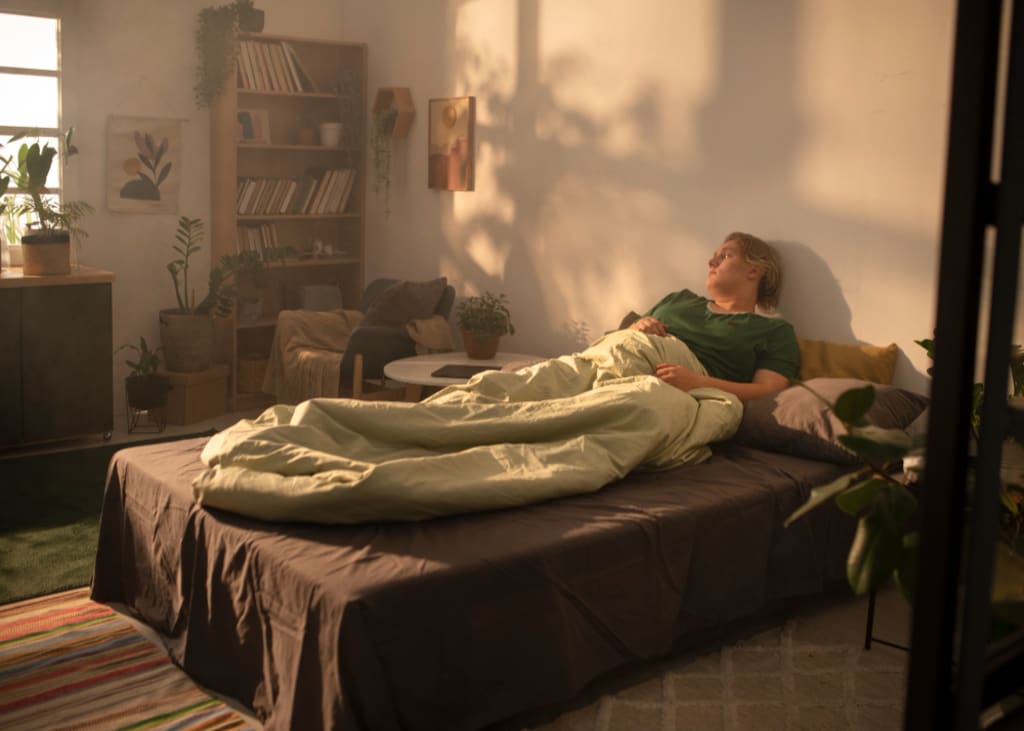
For a long time, I believed my restless sleep was caused by what happened in my head.
Too much thinking. Too much stress. Too many unfinished thoughts that followed me into the night. I tried calming routines, earlier bedtimes, and stricter boundaries around work. Some nights improved. Many did not.
What I did not question was the environment I was asking my body to unwind in.
The answer was not loud or dramatic. It was quiet. So quiet that I had lived with it for years without realizing it.
Tired Is Not the Same as Ready for Sleep
Most evenings, I felt exhausted. My body wanted rest. My eyes felt heavy. Yet when I finally lay down, sleep refused to arrive.
Instead, my mind stayed alert. Thoughts wandered. Small sounds felt intrusive. I was not energized, but I was not calm either.
This is the confusing space between fatigue and restlessness.
I later learned that this gap often comes from one source. The body is tired, but the nervous system has not received permission to slow down.
That permission comes from light.
The Role of Evening Light in the Nervous System
Light is the strongest timing signal the body receives. It tells the brain when to stay alert and when to prepare for rest. This signaling depends not only on brightness, but on the quality and spectrum of light.
Blue weighted light sends a daytime message. It suppresses melatonin and keeps the nervous system engaged. Many indoor lights rely on this blue content to appear bright and efficient.
When this kind of light continues into the evening, the brain stays in daytime mode.
The body may feel tired, but the internal clock remains confused.
Why the Problem Felt Invisible
What made this link hard to recognize was how subtle the effects were.
Evening light did not make me feel awake in an obvious way. It did not energize me. It kept me lightly activated.
This low level activation is enough to delay sleep without feeling dramatic. The nervous system never fully settles. The body waits.
I blamed myself for not being able to relax. In reality, my environment was not allowing relaxation.
The Difference Between Bright and Gentle Light
The change came when the quality of evening light shifted.
The light was still functional. I could see clearly. The room was not dim or gloomy. But the light felt softer. Less sharp. Easier on the eyes.
That ease mattered.
When light avoids harsh peaks and remains within ranges that feel natural to the visual system, the eyes relax. When the eyes relax, the nervous system follows.
The transition into evening no longer felt forced.
What Changed in My Body
The first thing I noticed was not sleep itself. It was how my body behaved before sleep.
My breathing slowed naturally. My shoulders stayed down. My thoughts lost urgency. I did not have to convince myself to wind down.
When I finally went to bed, sleep arrived quietly.
There was no dramatic moment. Just readiness.
Why Evening Light Matters More Than We Think
Many people focus on darkness as the key to sleep. While darkness is important, it cannot undo hours of overstimulation.
If the nervous system has been kept alert all evening, turning off the lights does not instantly reset the clock. The body needs time to downshift.
Evening light quality determines whether that downshift can happen.
This is why people often feel wired at night even when exhausted. The signals have been wrong for too long.
Why Restless Sleep Feels Personal
Restless sleep is often treated as a personal failing. Poor discipline. Bad habits. Weak routines.
But the body cannot ignore environmental signals.
When evening light tells the brain to stay alert, rest becomes a struggle. When light supports the natural rhythm of the day, sleep becomes a response rather than a task.
Understanding this removed a great deal of frustration.
The problem was not my inability to relax.
It was the message my environment was sending.
The Quiet Power of Alignment
Once the light aligned with evening rhythms, sleep stopped feeling fragile.
Nights became predictable. Rest felt deeper. Mornings felt clearer.
Nothing about my life had changed dramatically.
Only the quality of light I lived under after sunset.
That quiet adjustment made all the difference.
Conclusion
The link between evening light and restless sleep is easy to miss because it operates quietly.
Light does not shout that it is keeping you awake. It whispers. It nudges the nervous system to stay alert just long enough to delay rest.
When evening light becomes gentle and biologically aligned, the body understands what to do.
Sleep stops being something you chase.
It becomes something you allow.
Sometimes the solution to restless nights is not found in routines or willpower.
It is found in the light that surrounds you when the day is ending.
About the Creator
illumipure
Sharing insights on indoor air quality, sustainable lighting, and healthier built environments. Here to help people understand the science behind cleaner indoor spaces.
Keep reading
More stories from illumipure and writers in Journal and other communities.
How Light Changed My Energy Without Giving Me a Boost
For most of my adult life, I thought energy worked in only one direction. You either had it or you did not. When it was gone, you pushed harder. You drank coffee. You powered through. And when that stopped working, you blamed exhaustion.
By illumipure2 months ago in Journal
This Is What I Do When People Throw Rocks At Me
Rocks have been thrown at me for a greater part of my life. Some have been small and missed hitting me. When people don't get a reaction from me, they throw bigger rocks with a better aim. Many have been hurled at me with precision over the years. For a long time, I thought my only options were to dodge them or be crushed by them.
By Margaret Minnicks5 days ago in Confessions




Comments
There are no comments for this story
Be the first to respond and start the conversation.