
The 7 Most Venomous Animals in the World to Watch Out For
Deadly Creatures You Should Avoid at All Costs

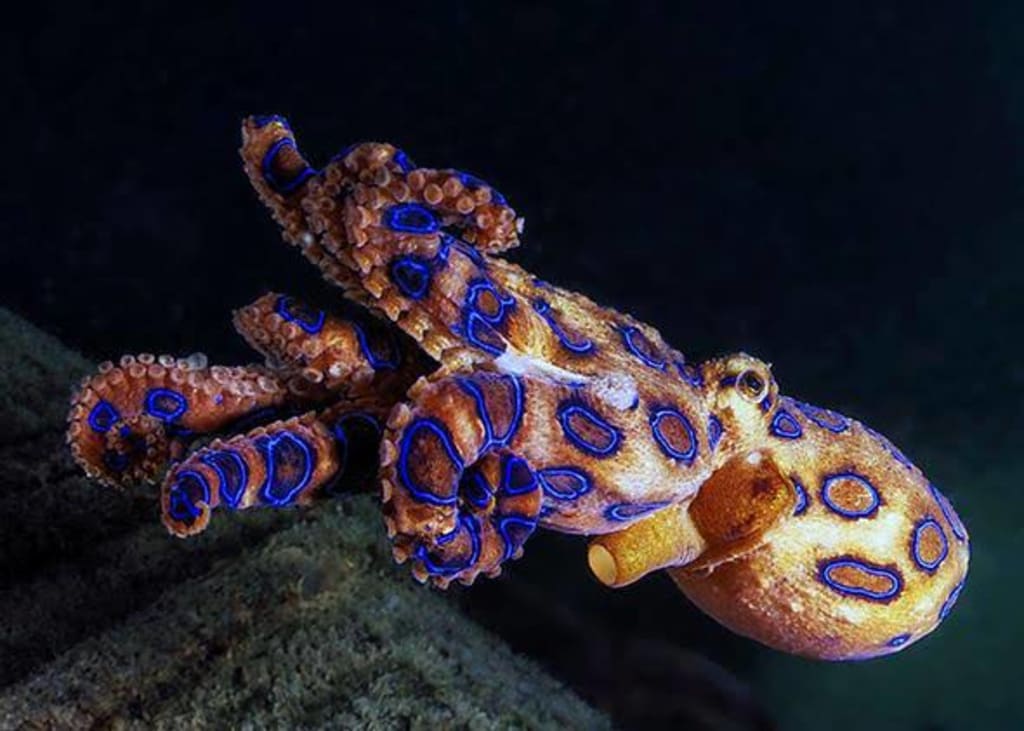
Nature is full of fascinating yet dangerous creatures, and some of the most lethal animals on Earth possess venom that can paralyze, cause excruciating pain, or even kill in minutes. While these creatures don’t actively seek out humans as prey, encounters with them can be deadly. Here are seven of the most venomous animals you should be wary of.
---
1. Inland Taipan (Oxyuranus microlepidotus) – The Fiercest Snake
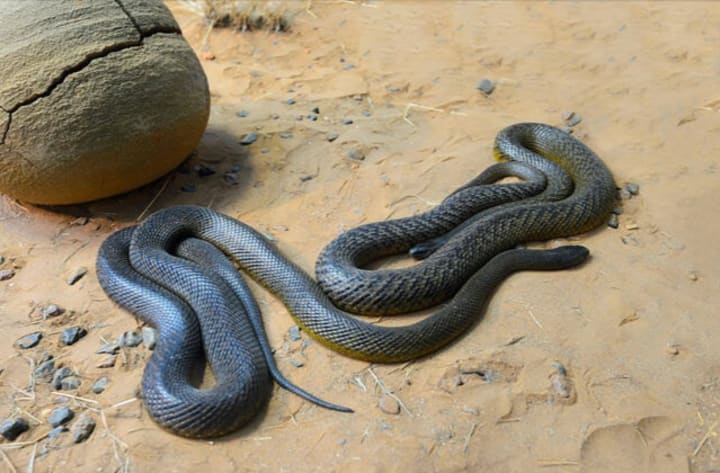
Known as the "fierce snake" or "small-scaled snake," the inland taipan is considered the most venomous snake in the world. A single bite contains enough venom to kill over 100 adult humans. Its venom is a powerful neurotoxin that can cause paralysis, internal bleeding, and organ failure within minutes.
Fortunately, the inland taipan is rarely encountered because it resides in remote areas of central Australia and is highly reclusive. However, if provoked, it will strike with extreme precision and deliver multiple bites. Without antivenom, an untreated bite is almost always fatal.
---
2. Box Jellyfish (Chironex fleckeri) – The Silent Sea Killer
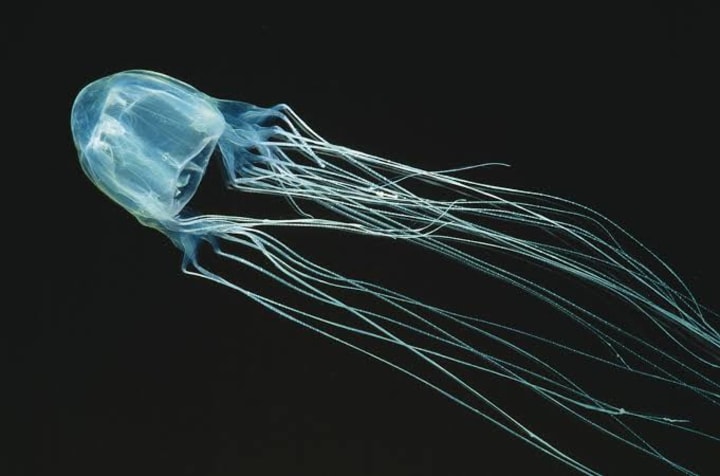
The box jellyfish is arguably the most venomous marine creature, often found in the waters of Australia, the Philippines, and Southeast Asia. It has tentacles covered in nematocysts, which release toxins that attack the heart, nervous system, and skin cells.
A sting from a box jellyfish is excruciatingly painful and can cause cardiac arrest, paralysis, and death within minutes. What makes them even more dangerous is their near-invisibility in water, making them difficult to avoid while swimming. Immediate medical attention, including the application of vinegar to neutralize toxins, is crucial for survival.
---
3. Cone Snail (Conus species) – A Beautiful But Deadly Shell
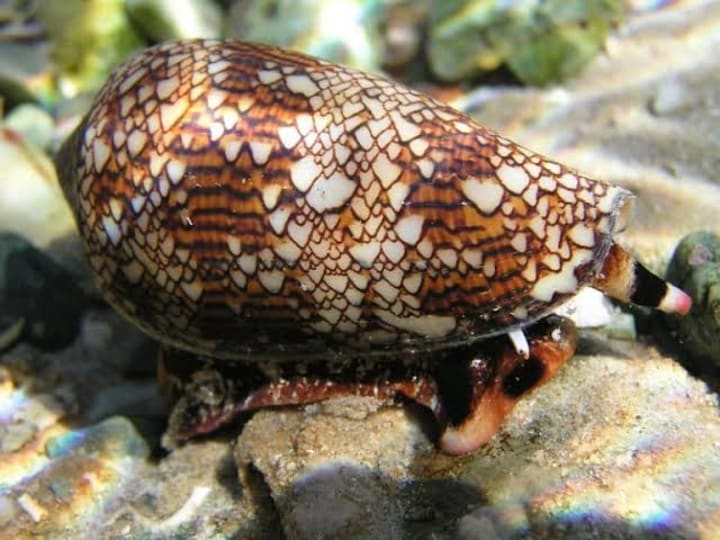
The cone snail, found in warm tropical waters, may look like a harmless sea shell, but it is one of the most venomous creatures in the ocean. Its venom, known as "conotoxin," is a potent neurotoxin that can cause muscle paralysis, respiratory failure, and death.
A single drop of venom from certain species of cone snails can kill 20 adult humans. Since there is no antivenom, the only hope for survival is immediate medical intervention. Divers and beachgoers should avoid handling these beautiful but lethal creatures.
---
4. Blue-Ringed Octopus (Hapalochlaena) – A Small but Lethal Cephalopod
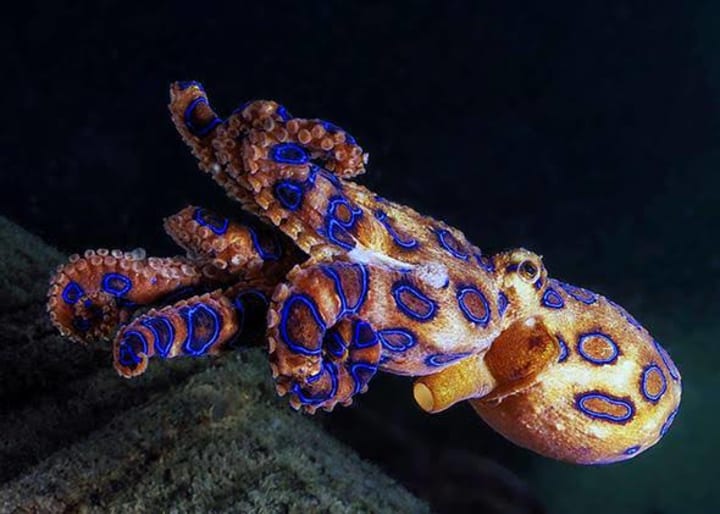
Despite its small size, the blue-ringed octopus is one of the deadliest sea creatures. Found in tide pools and coral reefs in the Pacific and Indian Oceans, this octopus releases venom containing tetrodotoxin, which is 1,200 times more toxic than cyanide.
A bite is often painless, but the venom quickly causes muscle paralysis, respiratory failure, and cardiac arrest. There is no antivenom, and victims can die within minutes if artificial respiration is not provided immediately.
---
5. Deathstalker Scorpion (Leiurus quinquestriatus) – The Scorpion with a Lethal Sting
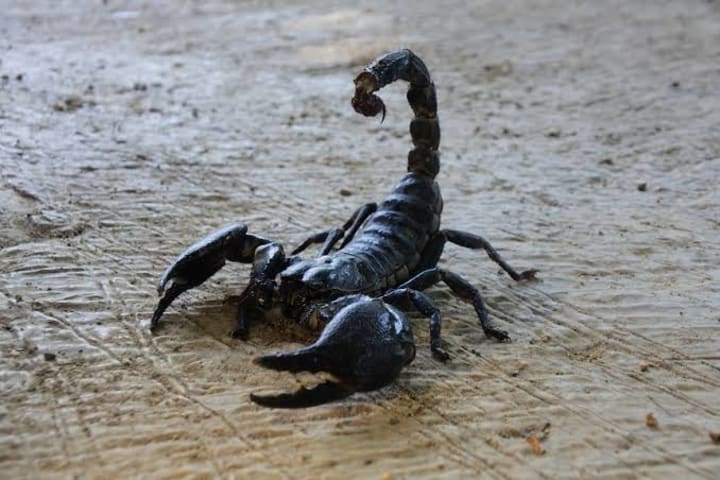
The deathstalker scorpion, found in North Africa and the Middle East, is one of the most dangerous scorpions in the world. Its venom contains neurotoxins that cause extreme pain, fever, convulsions, and even death, especially in children and those with weak immune systems.
Though fatalities are rare due to modern antivenom, a sting can still lead to severe health complications. This scorpion is aggressive and tends to sting multiple times if provoked.
---
6. Stonefish (Synanceia) – The Most Venomous Fish
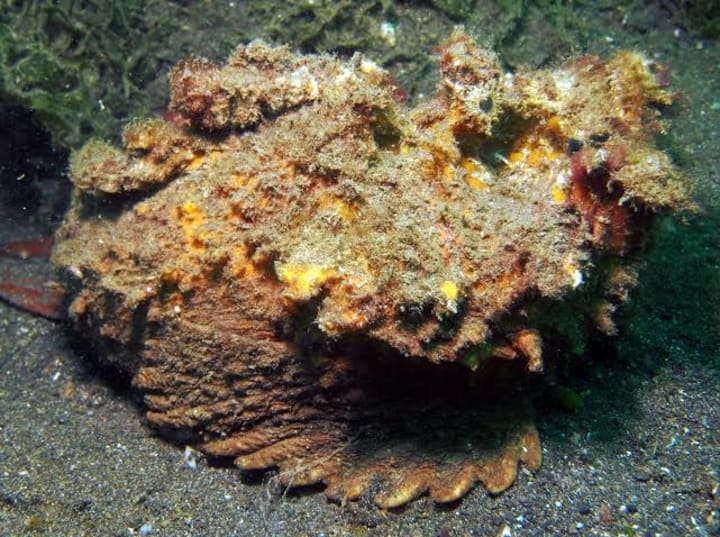
The stonefish, found in the coastal waters of the Indo-Pacific, is the most venomous fish on the planet. It is often mistaken for a rock due to its excellent camouflage. Stepping on a stonefish can result in a venomous sting that causes extreme pain, tissue damage, heart failure, and even death.
Without immediate treatment, victims can suffer unbearable agony and complications. Antivenom is available, but swift medical response is essential.
---
7. Brazilian Wandering Spider (Phoneutria) – The Most Venomous Spider
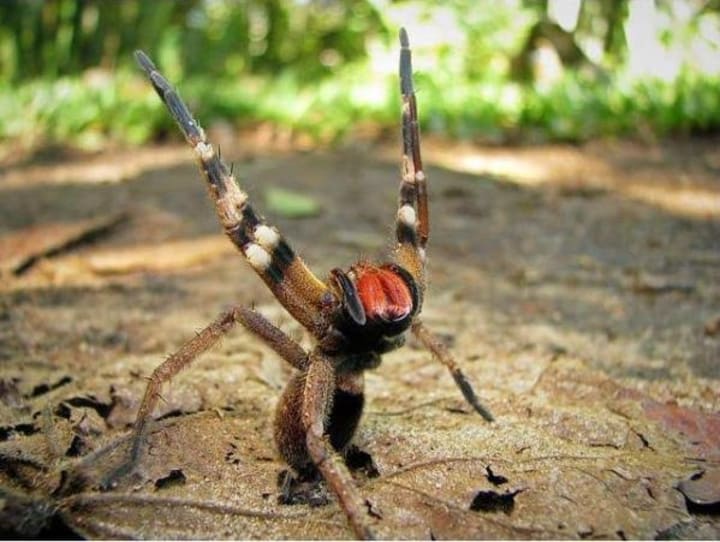
Also known as the banana spider, the Brazilian wandering spider is recognized as the most venomous spider in the world. Unlike other spiders that build webs, this species roams the jungle floor, making it more likely to encounter humans.
Its venom contains neurotoxins that cause severe pain, paralysis, and in some cases, fatal respiratory failure. Interestingly, its venom also causes priapism (prolonged erections in men), leading to research into medical uses. While antivenom exists, the bite can be deadly if not treated in time.
---
Final Thoughts: Avoid, Don’t Engage
While these venomous creatures are incredibly dangerous, they do not attack humans unless provoked. Respecting their habitats and taking proper precautions can minimize the risk of encounters. Whether you’re hiking in the outback, swimming in tropical waters, or exploring rainforests, being aware of these deadly animals could save your life.
If you ever come across any of these creatures, remember: admire from a distance and never engage. Nature is beautiful, but it can also be deadly. Stay informed, stay safe!
About the Creator
Keep reading
More stories from INFO INSIDER and writers in Journal and other communities.
The 10 Most Boring Superhero Movies, Ranked
Superhero movies have dominated the box office for decades, delivering action, drama, and thrilling special effects. However, not every cape-and-cowl adventure is a hit. Some films fail to excite audiences due to weak storytelling, dull pacing, or uninspired action sequences.
By INFO INSIDER 12 months ago in Journal
Understanding Competition in Your Local Market
Introduction Understanding competition in your local market is essential for building a sustainable and strategic practice or business. Competition influences pricing, service demand, referral patterns, and client expectations. Without a clear understanding of who else serves your target audience, it becomes difficult to differentiate your offerings or position your services effectively. A thoughtful analysis of local competitors helps organizations identify opportunities, refine strategy, and make informed decisions that support growth and long-term success.
By Abdul Mueed4 days ago in Journal
Silver Screen Magic with Mae West
American actress and singer Mae West became a popular film actress during the Great Depression. She started entertaining in vaudeville, then performed on Broadway, and finally went to Hollywood. She signed up with Paramount Pictures and made her debut in the 1932 film “Night After Night.” She also starred in musicals, comedies, and crime dramas. The American Film Institute named her one of the best classic Hollywood actresses.
By Rasma Raisters5 days ago in Geeks




Comments
There are no comments for this story
Be the first to respond and start the conversation.