
Soul Legend D’Angelo, 51, Dies After Private Battle with Pancreatic Cancer
The Voice That Made Us Feel Again

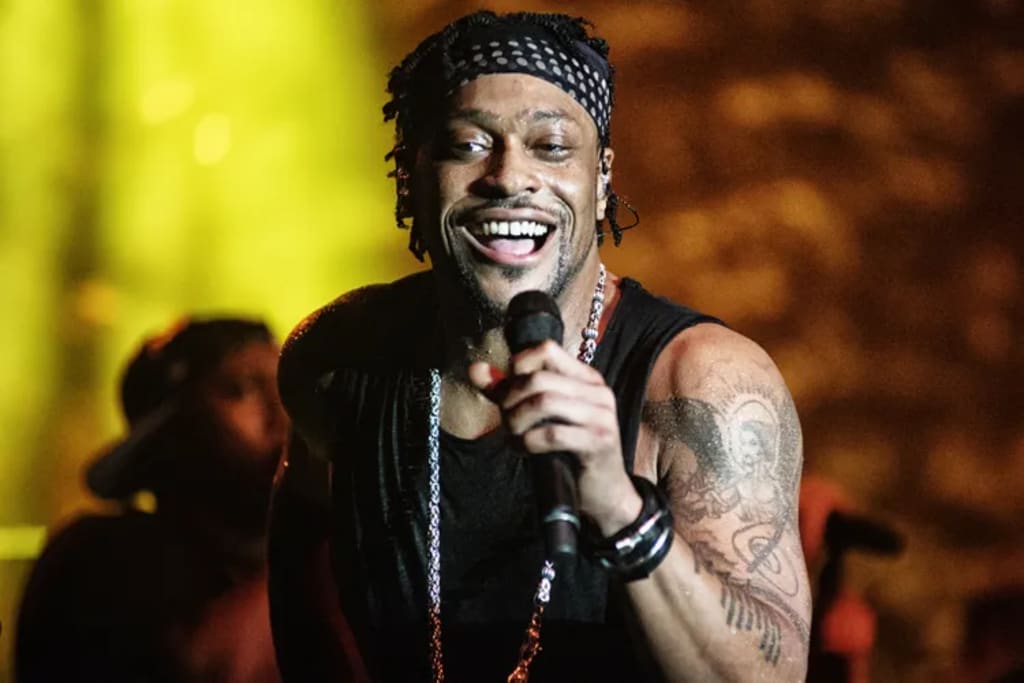
When the Soul Fell Silent
There are moments when the music stops — not because the song has ended, but because the artist who gave it life has taken their final bow.
On October 14, 2025, the world stood still as news broke that Michael Eugene Archer, known to millions as D’Angelo, the architect of the neo-soul movement, had passed away at the age of 51 after a private and painful battle with pancreatic cancer.
For those who grew up on the sweet burn of “Brown Sugar” or the aching sensuality of “Untitled (How Does It Feel)”, this loss feels personal. D’Angelo wasn’t just a singer — he was a movement. He was the church, the groove, and the confession all rolled into one velvet voice.
A Quiet Battle, A Roaring Legacy
According to a source who confirmed to PEOPLE, D’Angelo had been hospitalized for months before spending his final two weeks in hospice care. “He fought hard,” the source shared. “Even in pain, he hummed. He was always humming.”
TMZ first reported the news, noting that the star’s health had been kept private — a reflection of the deeply introspective artist who preferred his music to speak louder than any press statement ever could.
Tributes poured in from every corner of the music world. DJ Premier, who collaborated with D’Angelo on the 1998 classic “Devil’s Pie”, took to X (formerly Twitter):
“Such a sad loss to the passing of D'Angelo. We had so many great times. Gonna miss you so much. Sleep Peacefully D’. Love you KING.”
It wasn’t just grief — it was reverence. Because if Marvin Gaye gave soul music its sensuality, and Prince gave it its rebellion, D’Angelo gave it its resurrection.
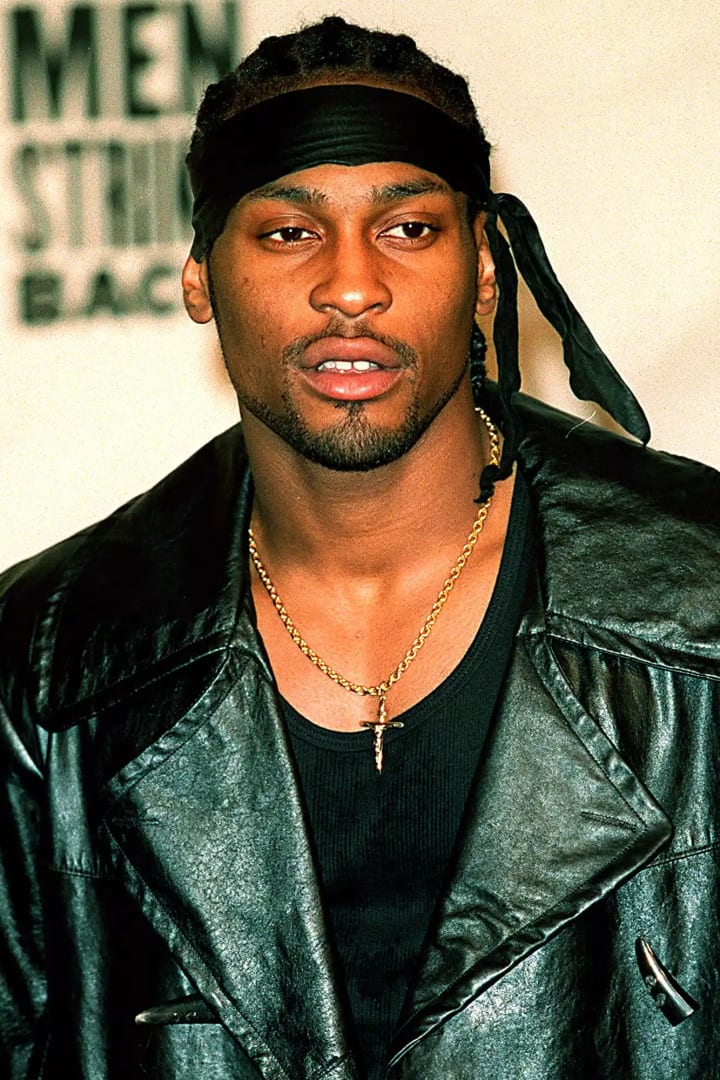
From Richmond’s Church Pews to the World Stage
Born in Richmond, Virginia, D’Angelo was raised in the rhythm of faith and gospel. His father was a Pentecostal minister, and by the age of three, young Michael was already pressing piano keys at church like he was born with rhythm in his veins. By five, he was accompanying his father in worship, and by eight, he was performing in his grandfather’s Pentecostal church — a spiritual apprenticeship that would later echo through every moan and melody of his music.
Music wasn’t a hobby. It was his inheritance.
As a teenager, he formed a group called Three of a Kind with his cousins, playing at local talent shows. But at 16, destiny came knocking. He created another band, Michael Archer and Precise, with his brother Luther — and began to stir the local Richmond scene with a sound that was equal parts gospel, funk, and raw emotion.
The Apollo Moment: Where the Dream Took Flight
In 1990, D’Angelo took a leap that would change his life — he auditioned for Amateur Night at the Apollo. His rendition of Peabo Bryson’s “Feel the Fire” didn’t win, but he came back stronger the next year. In 1991, his fiery cover of Johnny Gill’s “Rub You the Right Way” earned him first place — and more importantly, confidence.
With the prize money, he returned home and bought a four-track recorder. In that small Richmond apartment, surrounded by notebooks, instruments, and the smell of ambition, he began sketching the songs that would become the core of his groundbreaking debut album, Brown Sugar.
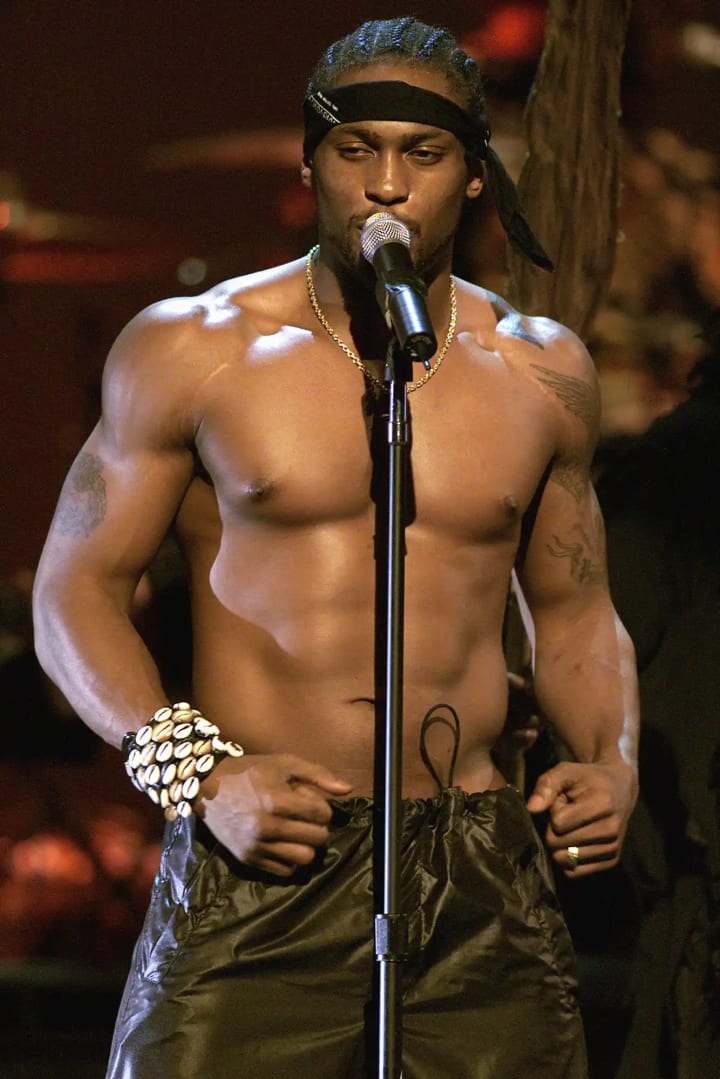
The Birth of a Classic: Brown Sugar
Released in 1995, Brown Sugar wasn’t just an album — it was an awakening.
At a time when hip-hop was dominating radio and R&B was chasing trends, D’Angelo walked in with something raw, nostalgic, and unapologetically soulful. His sound — warm, smoky, and deeply human — felt like vinyl crackle in a digital age.
Songs like “Lady”, “Cruisin’”, and “Brown Sugar” weren’t just hits; they were hymns of sensual spirituality. The album peaked at No. 4 on Billboard’s Top R&B Albums chart, went platinum within a year, and earned four Grammy nominations — all while crowning D’Angelo as the father of neo-soul.
Voodoo and the Making of a Myth
Five years later, he returned with Voodoo (2000) — an album that felt like a séance. It wasn’t just music; it was magic, funk, and spiritual rebellion molded into sound.
With Questlove on drums, Q-Tip on inspiration, and D’Angelo on every instrument that could breathe, Voodoo debuted at No. 1 on both the Billboard 200 and R&B charts. It earned him two Grammy Awards, including Best R&B Album, and “Untitled (How Does It Feel)” won Best Male R&B Vocal Performance — a track that would redefine intimacy in music videos forever.
The video’s simplicity — D’Angelo shirtless, vulnerable, looking straight into the camera — made him a sex symbol overnight. But it was also a double-edged sword. Fame turned his sanctuary into a spotlight.
The Fall: Addiction, Arrests, and Inner Demons
Fame can be both a melody and a migraine.
The same intensity that fueled D’Angelo’s genius began to consume him. The weight of being labeled “the next Prince” and the relentless sexualization of his image pushed him toward isolation — and eventually, addiction.
In 2005, he was arrested for possession of cocaine, marijuana, and for driving under the influence. A week after his sentencing, he was involved in a near-fatal car crash that left him critically injured. For years, D’Angelo disappeared from the public eye. Rumors swirled. Fans wondered if their soul savior had vanished for good.
But real artists don’t fade. They transform.
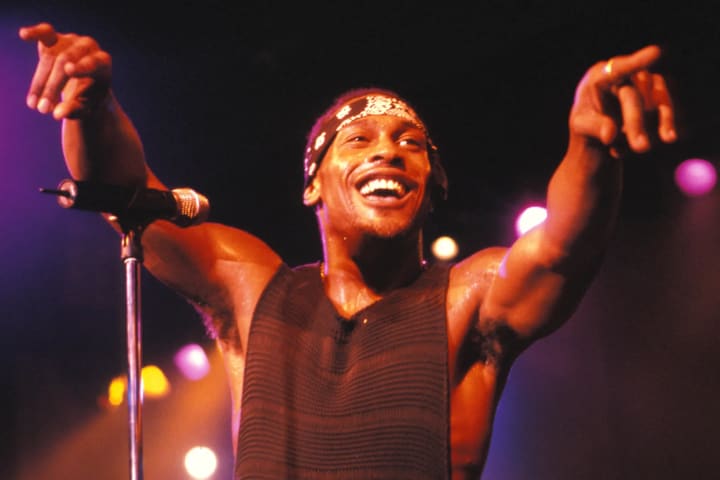
Black Messiah: The Resurrection
In 2014, like a prophet returning from exile, D’Angelo dropped Black Messiah with no warning. The album was an instant revolution — politically charged, musically daring, and spiritually raw.
With songs like “The Charade” and “Really Love”, D’Angelo reminded the world that music could still be protest and poetry in the same breath. The album debuted at No. 1 on Billboard’s R&B and Indie charts and won the Grammy for Best R&B Album. Critics hailed it as a modern masterpiece — a return not just of D’Angelo, but of purpose in popular music.
Collaborations That Shaped a Generation
Throughout his career, D’Angelo’s collaborations were like secret ingredients in a timeless recipe. He worked with Lauryn Hill on “Nothing Even Matters”, Common on “J Dilla’s So Far to Go”, and Raphael Saadiq in The Soulquarians collective — an elite circle that fused hip-hop, soul, and jazz into something the world had never heard before.
In 2024, D’Angelo joined Jay-Z for “I Want You Forever” from The Book of Clarence soundtrack — his last official release. Raphael Saadiq later revealed on Rolling Stone’s Music Now podcast that D’Angelo had been quietly working on new music before his death.
We’ll never hear what might have been. But maybe, that’s how legends remain immortal — unfinished, eternal, echoing in memory.
The Legacy Lives On
D’Angelo didn’t just make music. He shifted it.
He bridged the gap between Marvin Gaye’s intimacy and Kendrick Lamar’s introspection. He taught a generation of artists — from Frank Ocean to Anderson .Paak — that vulnerability could be power, that funk could be philosophy, that a whisper could roar louder than a scream.
Even in silence, D’Angelo’s influence hums beneath the surface of modern R&B and soul.
When you hear H.E.R. slide into a note, when you feel the pain in Daniel Caesar’s falsetto, when you lose yourself in the groove of Leon Bridges — you’re hearing the ghost of D’Angelo.
Final Verse: The Sound That Never Dies
Pancreatic cancer may have claimed his body, but not his essence. True music doesn’t die — it reincarnates in speakers, memories, and midnight playlists.
In the end, D’Angelo didn’t just give us songs. He gave us permission. Permission to feel, to cry, to groove, to be human.
As the world mourns him, maybe we can honor him the only way he would’ve wanted — by turning the volume up, closing our eyes, and letting the rhythm remind us of what it means to be alive.
“Music is the church I never left,” D’Angelo once said.
And now, as he takes his final rest, the choir of souls he inspired will keep singing. Because real soul never dies — it just finds a new beat.
About the Creator
Omasanjuwa Ogharandukun
I'm a passionate writer & blogger crafting inspiring stories from everyday life. Through vivid words and thoughtful insights, I spark conversations and ignite change—one post at a time.
Keep reading
More stories from Omasanjuwa Ogharandukun and writers in Journal and other communities.
Making Time for God: Daily Prayer in a Busy Life
Life is busy. Work, family, errands, and responsibilities often fill every corner of the day, leaving little space for reflection or prayer. Yet daily prayer is one of the most powerful tools a Catholic has for staying grounded, cultivating patience, and experiencing God’s presence in every moment. Finding ways to integrate prayer into a busy life is not about creating a rigid schedule; it is about building habits that allow moments of connection, however brief, to become transformative.
By Sound and Spirita day ago in Journal
Silver Screen Magic with Mae West
American actress and singer Mae West became a popular film actress during the Great Depression. She started entertaining in vaudeville, then performed on Broadway, and finally went to Hollywood. She signed up with Paramount Pictures and made her debut in the 1932 film “Night After Night.” She also starred in musicals, comedies, and crime dramas. The American Film Institute named her one of the best classic Hollywood actresses.
By Rasma Raisters6 days ago in Geeks


Comments
There are no comments for this story
Be the first to respond and start the conversation.