
Shrikhand Mahadev Trek: A Journey to the Abode of Lord Shiva
Exploring the Divine Path to Shrikhand Mahadev Peak
Introduction
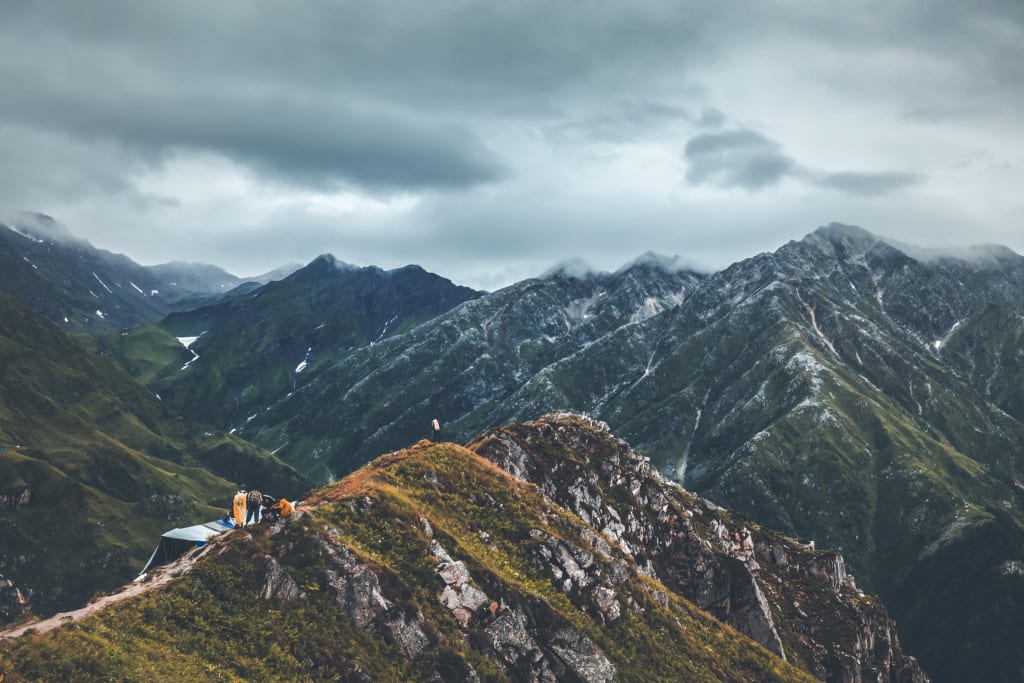
The Shrikhand Mahadev Trek is one of the most challenging yet spiritually rewarding treks in the Indian Himalayas. Located in the Kullu district of Himachal Pradesh, this trek takes you to the Shrikhand Mahadev peak, which stands tall at an elevation of 5,227 meters. The peak is considered the abode of Lord Shiva, and every year, thousands of devotees and adventure enthusiasts embark on this journey to seek blessings and experience the beauty of nature.
Best Time to Visit
The best time to undertake the Shrikhand Mahadev Trek is during the summer months, from mid-July to August. This period ensures that most of the snow has melted, making the trek more accessible. The weather during this time is also relatively stable, with clear skies and pleasant temperatures, perfect for trekking.
How to Reach
By Air: The nearest airport to the trek's starting point is Bhuntar Airport in Kullu. From there, you can hire a taxi or take a bus to reach the base village, Jaon.
By Train: The nearest railway station is Shimla, from where you can take a bus or taxi to Jaon village.
By Road: Jaon village is well-connected by road. You can take a bus from Delhi, Chandigarh, or Shimla to Rampur, and then a local taxi to Jaon.
The Trek Route
The Shrikhand Mahadev Trek begins from Jaon village, which serves as the base camp. Here's a detailed breakdown of the trek route:
Day 1: Jaon to Singhad (3 km)
The trek begins with a short 3 km walk from Jaon to Singhad. This is a gentle introduction to the trek, with lush green surroundings and a well-marked trail. Singhad is a small settlement where you can set up your first camp.
Day 2: Singhad to Thachru (12 km)
The trail from Singhad to Thachru is a bit more challenging, covering around 12 km. The path ascends steeply through dense forests and meadows. Thachru is a beautiful campsite offering panoramic views of the surrounding mountains.

Day 3: Thachru to Kali Ghati to Bhim Dwar (10 km)
This part of the trek is both the most challenging and the most rewarding. You will pass through Kali Ghati, a steep climb that tests your endurance. After crossing Kali Ghati, you will descend into Bhim Dwar, a stunning meadow surrounded by towering peaks.
Day 4: Bhim Dwar to Parvati Bagh (8 km)
The trek from Bhim Dwar to Parvati Bagh is relatively easier, taking you through rolling meadows and patches of snow. Parvati Bagh is named after Goddess Parvati and is a tranquil place to rest before the final ascent.
Day 5: Parvati Bagh to Shrikhand Mahadev Peak (6 km)
The final stretch of the trek is the most exhilarating. You will climb over rocky terrain and patches of snow to reach the Shrikhand Mahadev peak. The feeling of reaching the summit and witnessing the towering Shivling-shaped rock is indescribable. After spending some time at the peak, you will descend back to Bhim Dwar for the night.
Day 6: Bhim Dwar to Jaon (25 km)
The return journey from Bhim Dwar to Jaon is long but easier as it is mostly downhill. You will retrace your steps through Thachru and Singhad before finally reaching Jaon.
Things to Carry
Warm Clothing: Even during summer, the weather can be cold at high altitudes. Carry thermal wear, a down jacket, and a raincoat.
Trekking Shoes: Sturdy trekking shoes with a good grip are essential for navigating the rocky and uneven terrain.
Backpack: A comfortable backpack with a capacity of 50-60 liters should be sufficient to carry your essentials.
Sleeping Bag: A high-altitude sleeping bag rated for sub-zero temperatures is recommended.
First Aid Kit: Include basic medicines, bandages, antiseptic cream, and any personal medication.
Water Bottle and Purification Tablets: Stay hydrated and carry water purification tablets to purify water from natural sources.
Snacks: Energy bars, dry fruits, and chocolates are good options to keep your energy levels up.
Trekking Poles: Useful for balance and support on steep sections.
Permits and Regulations
To undertake the Shrikhand Mahadev Trek, you need to obtain permits from the local authorities in Jaon. It is also advisable to register with the nearest police station before starting the trek. Respect the local culture and environment by not littering and avoiding the use of plastic.
Challenges of the Trek
The Shrikhand Mahadev Trek is not for the faint-hearted. The high altitude, steep ascents, and unpredictable weather make it a tough challenge even for experienced trekkers. Altitude sickness is a common issue, so it's important to acclimatize properly and listen to your body. The lack of proper facilities along the route means you need to be self-sufficient and prepared for any situation.
Spiritual Significance
The Shrikhand Mahadev peak holds immense religious significance for Hindus. The peak is believed to be the abode of Lord Shiva, and the Shivling-shaped rock at the summit is considered a manifestation of the deity. The trek is often seen as a pilgrimage, with devotees undertaking it as an act of devotion and penance. The trek coincides with the annual Shrikhand Mahadev Yatra, where thousands of pilgrims participate, adding to the spiritual atmosphere of the journey.
Conclusion
The Shrikhand Mahadev Trek is a once-in-a-lifetime experience that offers a perfect blend of adventure and spirituality. The breathtaking views, challenging terrain, and the sense of accomplishment you feel upon reaching the summit make all the hardships worthwhile. Whether you are an adventure enthusiast seeking a challenge or a devotee on a spiritual journey, the Shrikhand Mahadev Trek will leave you with memories to cherish forever.
So, pack your bags, prepare yourself physically and mentally, and embark on this incredible journey to the abode of Lord Shiva!
About the Creator
Preeti
HI, I Am a seasoned freelancer and Senior Editor at HPTourTravel, specializing in travel guides and destination content. She is keen to contribute guest blog posts, promising high-quality and engaging content.
Why Robust Connectors Are Essential for Aircraft Safety
In aviation, the stakes are always high. Every component that makes up an aircraft, from its wings to its electronic systems, plays a pivotal role in ensuring the safety and efficiency of flight operations. Among these, connectors often go unnoticed, but they are one of the most crucial elements in keeping everything running smoothly. In this blog, we’ll explore why robust connectors are essential for aircraft safety, how they perform under extreme conditions, and why the right choice of connectors can make all the difference between safe flights and potentially dangerous situations.
By Beckett Dowhan6 days ago in Journal
Silver Screen Magic with Mae West
American actress and singer Mae West became a popular film actress during the Great Depression. She started entertaining in vaudeville, then performed on Broadway, and finally went to Hollywood. She signed up with Paramount Pictures and made her debut in the 1932 film “Night After Night.” She also starred in musicals, comedies, and crime dramas. The American Film Institute named her one of the best classic Hollywood actresses.
By Rasma Raisters6 days ago in Geeks


Comments
There are no comments for this story
Be the first to respond and start the conversation.