
Manimahesh Yatra: A Spiritual And Trekking Adventure
A Pilgrimage of Faith and Adventure Amidst the Majestic Himalayas
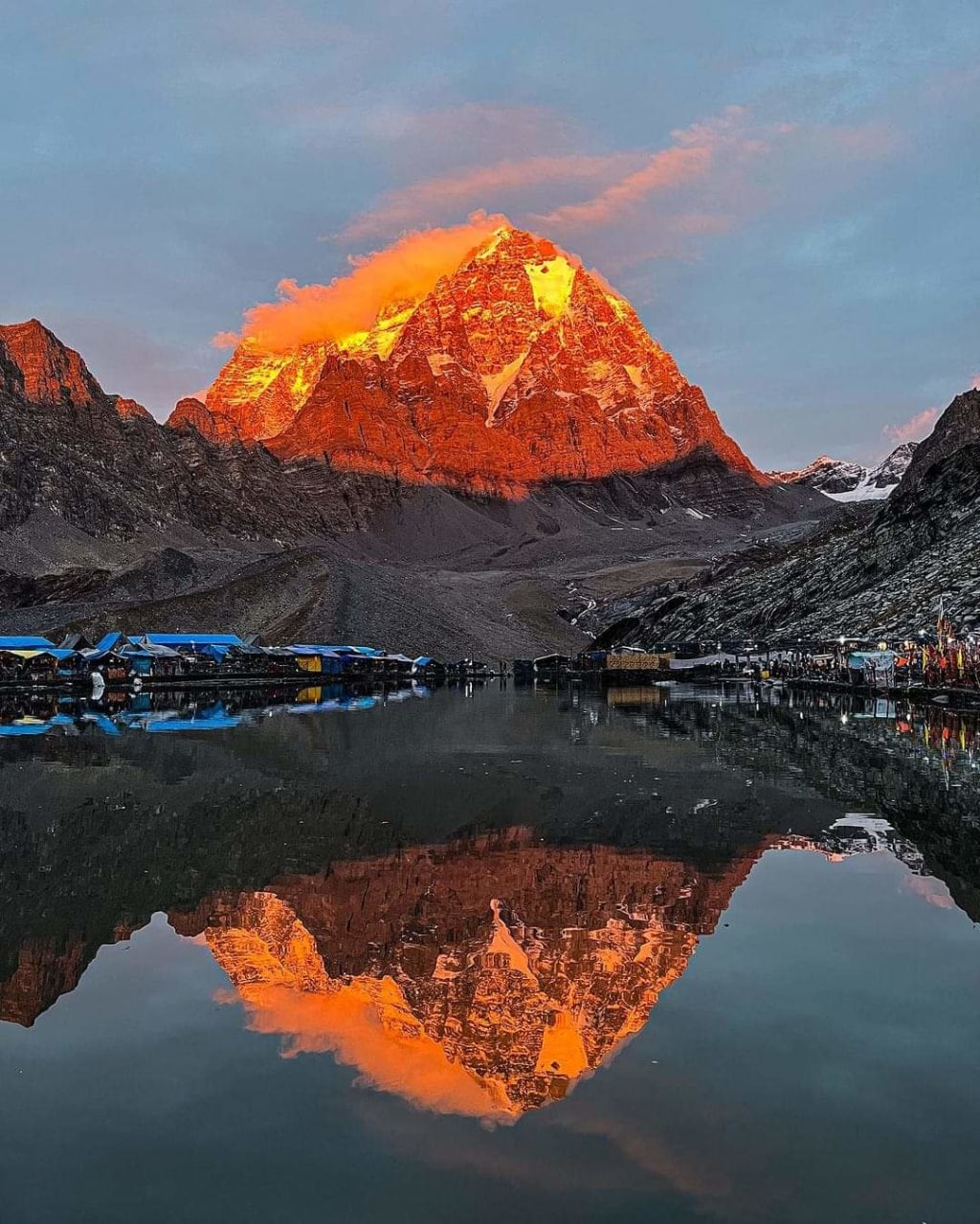
Manimahesh is a sacred place in Himachal Pradesh, India, known for its stunning natural beauty and deep spiritual significance. It is an important pilgrimage site for Hindus, particularly for those who worship Lord Shiva. The name "Manimahesh" comes from two Sanskrit words: "Mani," meaning jewel, and "Mahesh," a name for Lord Shiva. This place is believed to be where Lord Shiva resides, making it a special destination for devotees and nature lovers alike.Location and Significance
Location and Significance
Manimahesh is located in the Chamba district of Himachal Pradesh, at an altitude of approximately 4,080 meters (13,390 feet) above sea level. The journey to Manimahesh takes you through scenic valleys, dense forests, and challenging terrains, making it not just a religious pilgrimage but also an adventure for nature lovers and trekkers.
The centerpiece of the pilgrimage is the Manimahesh Lake, a glacial lake that lies at the base of the Manimahesh Kailash Peak. The peak is considered the abode of Lord Shiva, and the lake is believed to be sacred, with its waters possessing divine powers. Thousands of devotees undertake the Manimahesh Yatra, a pilgrimage that culminates at the lake, especially during the month of August or September, coinciding with the Hindu festival of Janmashtami.
The Manimahesh Yatra
The Manimahesh Yatra is one of the most challenging yet fulfilling pilgrimages in India. The journey begins from the village of Hadsar, which is the base camp for the trek to Manimahesh Lake. The trek is about 13 kilometers long and takes you through rugged terrains, steep climbs, and picturesque landscapes. The route is dotted with small villages, streams, and temples, offering a glimpse of the rich cultural heritage of the region.
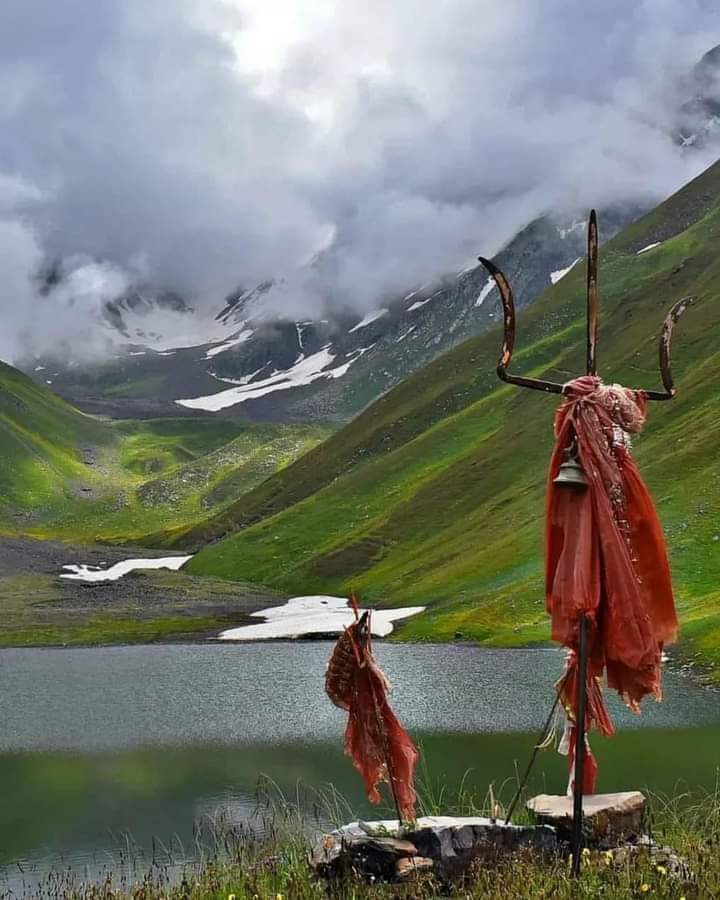
Trekking Routes and Difficulty
1. Hadsar to Dhancho:
Distance: 6 kilometers
Duration: 4-5 hours
Difficulty: Moderate
The first leg of the journey from Hadsar to Dhancho is relatively easy, with well-defined paths and gentle slopes. Dhancho is a small settlement where pilgrims can rest and find basic facilities like food and shelter.
2. Dhancho to Gauri Kund:
Distance: 3 kilometers
Duration: 3-4 hours
Difficulty: Moderate to Difficult
The trek from Dhancho to Gauri Kund is steeper and more challenging. Gauri Kund is a small pond where pilgrims take a dip before proceeding to the Manimahesh Lake. The area is surrounded by lush greenery and offers a serene atmosphere for meditation and reflection.
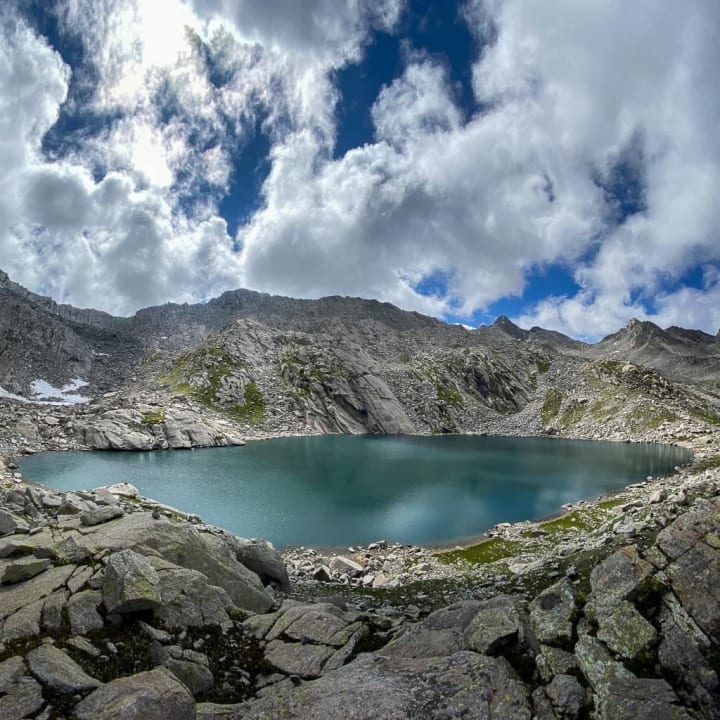
3. Gauri Kund to Manimahesh Lake:
Distance: 4 kilometers
Duration: 3-4 hours
Difficulty: Difficult
The final stretch from Gauri Kund to Manimahesh Lake is the most challenging part of the trek. The path is steep and rocky, requiring careful navigation. However, the sight of the Manimahesh Kailash Peak and the tranquil lake at the end of the trek makes it all worthwhile.
Best Time to Visit
The best time to visit Manimahesh is during the annual Manimahesh Yatra, which usually takes place in August or September. The weather during this time is relatively mild, with temperatures ranging from 10°C to 20°C. However, the weather in the higher altitudes can be unpredictable, so it is essential to be prepared for sudden changes.
The monsoon season, from June to August, should be avoided as the trek becomes slippery and dangerous due to heavy rainfall. The region experiences snowfall from October to April, making the trek inaccessible during the winter months.
Preparing for the Manimahesh Yatra
Physical Fitness:
The trek to Manimahesh requires a good level of physical fitness. It is advisable to start preparing a few months in advance by engaging in regular exercise, including cardio and strength training.
Acclimatization:
Acclimatization is crucial when trekking to high altitudes. Spend a day or two at Hadsar or Dhancho to allow your body to adjust to the altitude before proceeding further.
Essential Gear:
Warm clothing: The temperatures at Manimahesh can drop significantly, especially at night. Pack layers of warm clothing, including a good quality jacket, thermals, gloves, and a cap.
Trekking shoes: A sturdy pair of trekking shoes with good grip is essential for navigating the rocky terrain.
Rain gear: Carry a waterproof jacket and rain cover for your backpack, as the weather can change suddenly.
First aid kit: Include basic medications, band-aids, antiseptic creams, and pain relievers in your kit.
Hydration: Carry a reusable water bottle and stay hydrated throughout the trek.
Permits and Registration:
Pilgrims are required to register for the Manimahesh Yatra at the base camp in Hadsar. The registration process includes providing personal details and emergency contact information. Permits may also be required for certain sections of the trek, so ensure you have all the necessary documentation before starting your journey.
Local Culture and Traditions
The region around Manimahesh is inhabited by the Gaddi tribe, known for their unique culture and traditions. The Gaddi people are warm and welcoming, and they play a significant role in organizing and facilitating the Manimahesh Yatra. Their traditional music, dance, and folklore add to the cultural richness of the pilgrimage. During the yatra, you will come across several small temples and shrines dedicated to various deities. The most prominent of these is the Bharmour Temple Complex, located near the town of Bharmour. This ancient temple complex is believed to be over a thousand years old and is dedicated to Lord Shiva. It is also the starting point for another pilgrimage, the Bharmani Mata Yatra, which is often undertaken by pilgrims before embarking on the Manimahesh Yatra.
Flora and Fauna
The trek to Manimahesh takes you through diverse ecosystems, from lush green valleys to alpine meadows and rocky outcrops. The region is home to a variety of flora and fauna, including rare species of medicinal plants, wildflowers, and birds. You may also encounter Himalayan wildlife such as the elusive snow leopard, Himalayan black bear, and bharal (blue sheep) along the way.
Accommodation and Facilities
Accommodation options along the Manimahesh Yatra route are basic but sufficient. In Hadsar and Dhancho, you will find guesthouses, dhabas (roadside eateries), and tents for rent. These provide simple meals and a place to rest before continuing your journey.
It is advisable to carry some ready-to-eat food, energy bars, and dry fruits, especially if you have specific dietary needs. Water is available along the route, but it is recommended to carry purification tablets or a portable water filter to ensure safe drinking water.
How to Reach Manimahesh
By Air: The nearest airport to Manimahesh is Gaggal Airport in Dharamshala, located about 170 kilometers away. From the airport, you can hire a taxi or take a bus to reach Hadsar, the base camp for the trek.
By Train: The nearest railway station is Pathankot, about 120 kilometers from Hadsar. From Pathankot, you can take a taxi or bus to reach Bharmour, and then continue to Hadsar.
By Road: Hadsar is well-connected by road to major cities in Himachal Pradesh and neighboring states. You can drive to Hadsar or take a bus from cities like Shimla, Chandigarh, or Delhi. The road journey offers stunning views of the mountains and valleys, making it a memorable experience in itself.
Conclusion
The Manimahesh Yatra is more than just a pilgrimage; it is a journey of self-discovery, spirituality, and adventure. The serene beauty of the Manimahesh Lake, the majestic Kailash Peak, and the rich cultural heritage of the region make this a must-visit destination for anyone seeking a deeper connection with nature and the divine. Whether you are a devout pilgrim or an avid trekker, the Manimahesh trek distance offers an unforgettable experience that will leave you with memories to cherish for a lifetime. Prepare well, respect the local traditions, and embark on this sacred journey to discover the magic of Manimahesh.
About the Creator
Preeti
HI, I Am a seasoned freelancer and Senior Editor at HPTourTravel, specializing in travel guides and destination content. She is keen to contribute guest blog posts, promising high-quality and engaging content.



Comments (1)
Interesting