
Running With Strength and Awareness: Injury Prevention Strategies from Chad Pratt
Practical Guidance for Runners Who Want Consistency, Comfort, and Long-Term Progress
Running is a powerful way to support physical health, mental focus, and emotional balance. It fits into busy lifestyles, requires minimal equipment, and can be adapted to nearly any fitness level. Despite these advantages, running is also a repetitive, high-impact activity that can lead to injury when the body is pushed without proper preparation or recovery. Many runners find that setbacks occur not because of lack of effort, but because of overlooked fundamentals.
Veteran runners such as Chad Pratt often emphasize that injury prevention is rooted in awareness and routine. Building a sustainable running practice means understanding how the body responds to stress and taking proactive steps to support it. The following strategies focus on reducing common running injuries while helping runners maintain steady, enjoyable progress.
Build a Reliable Warm-Up and Cool-Down Routine
Warming up before a run is essential for preparing the body for movement. A gradual warm-up increases circulation, improves joint mobility, and helps muscles become more responsive. Light jogging paired with dynamic movements such as leg swings, walking lunges, or high knees allows the body to transition smoothly into running.
A warm-up also improves coordination and balance, reducing the likelihood of awkward steps or sudden strains early in a run. Runners who take time to prepare often notice better rhythm and comfort from the start.
Cooling down after a run is just as important. Gradually slowing the pace allows the heart rate to return to normal and helps prevent stiffness. Stretching major muscle groups after running supports flexibility and reduces muscle tightness. Over time, consistent cool-downs contribute to improved recovery and fewer lingering aches.
Wear Shoes That Match Your Mechanics
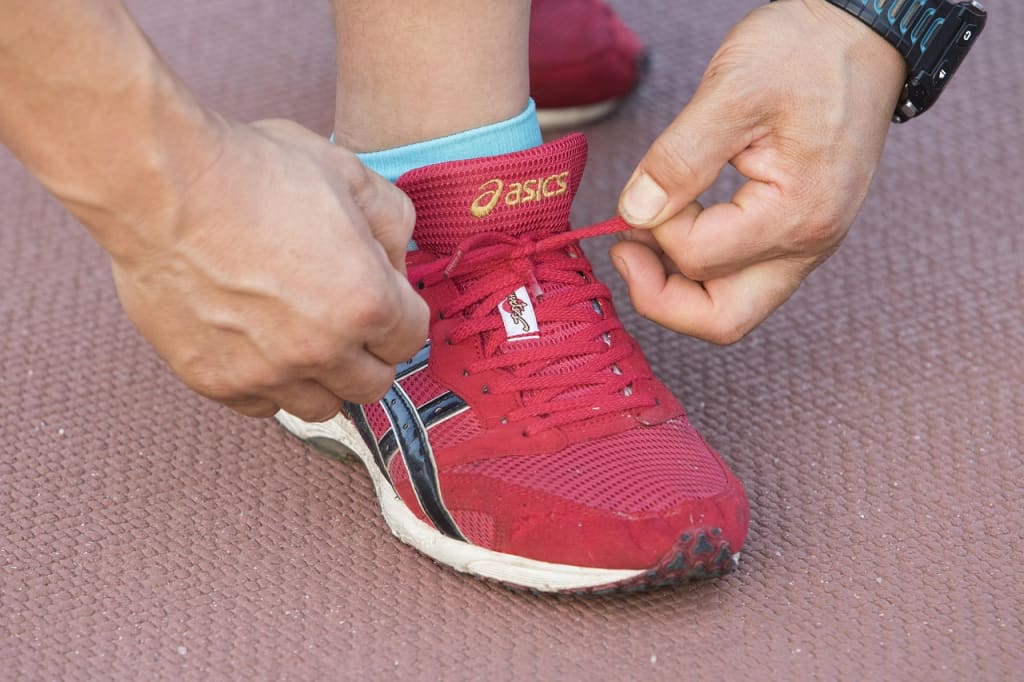
Running shoes serve as the foundation of injury prevention. The right footwear absorbs impact, supports natural movement, and reduces stress on joints. Shoes that are worn out or poorly suited to a runner’s foot type can increase the risk of knee pain, shin splints, and foot issues.
Most running shoes should be replaced after roughly 300 to 500 miles of use. As cushioning materials compress, they lose their shock-absorbing ability even if the shoes still look intact. Tracking mileage and paying attention to changes in comfort can help runners replace shoes before problems develop.
Many runners choose to visit specialty running stores for professional fittings or gait assessments. These evaluations help identify shoe styles that align with individual biomechanics, offering better protection and comfort during training.
Progress Gradually to Protect the Body
One of the most common causes of running injuries is increasing distance or intensity too quickly. Muscles, tendons, and bones adapt slowly to stress, and sudden changes can overwhelm the body. Overuse injuries often appear when runners push beyond what their tissues are ready to handle.
Gradual progression allows the body to strengthen safely. Many runners follow conservative weekly increases and include recovery weeks to manage fatigue. Rest days are essential, providing time for repair and adaptation.
Runners like Chad Pratt often highlight patience as a critical factor in longevity. Consistent, moderate progress over time leads to stronger outcomes than aggressive training that results in forced breaks.
Focus on Efficient Running Form
Running mechanics play a significant role in injury prevention. Maintaining an upright posture with relaxed shoulders supports spinal alignment and reduces tension in the neck and upper back. A slight forward lean from the ankles encourages smooth forward movement without placing excessive strain on the lower back.
Foot placement also affects how impact forces travel through the body. Landing softly beneath the body rather than far in front helps distribute stress more evenly. Overstriding increases braking forces and places additional strain on the knees and hips.
Arm movement supports balance and rhythm. Arms should swing naturally at the sides with relaxed hands and shoulders. Periodically checking form during runs helps identify habits that may contribute to discomfort or inefficiency over time.
Use Strength Training to Build Durability
Strength training is an important complement to running. Strong muscles help stabilize joints and absorb impact, reducing strain on ligaments and tendons. Core strength supports posture, while strong hips and legs improve alignment with each stride.
Exercises such as squats, lunges, step-ups, and planks build functional strength that directly benefits running mechanics. These movements also help correct muscular imbalances caused by repetitive motion.
Many experienced runners, including Chad Pratt, integrate strength training into their weekly routines. This balanced approach improves resilience and allows runners to handle greater training demands with less risk of injury.
Respect Recovery and Listen to Physical Signals
Recovery is where adaptation and improvement occur. Ignoring fatigue or persistent soreness often leads to injury rather than progress. Muscles and connective tissues need adequate time to repair after repeated impact.
Rest days allow the body to rebuild stronger. Active recovery activities such as walking, cycling, or swimming help maintain fitness while reducing stress on running muscles. Sleep also plays a vital role in recovery by supporting tissue repair and overall health.
Listening to early warning signs such as sharp pain, swelling, or lingering discomfort allows runners to adjust training before minor issues escalate. When symptoms persist, professional guidance can prevent long-term setbacks.
Support Running With Hydration and Nutrition
Hydration directly affects muscle function, coordination, and endurance. Dehydration increases fatigue and reduces focus, making poor form more likely. Drinking fluids consistently throughout the day supports both performance and recovery.
Nutrition provides the fuel and building blocks needed for training. Carbohydrates supply energy, protein supports muscle repair, and healthy fats contribute to overall health. Micronutrients such as calcium and vitamin D play important roles in bone strength and injury prevention.
Timing meals and hydration around training sessions ensures energy availability and supports efficient recovery. Proper fueling works alongside training habits to strengthen the body against injury.
A Sustainable Path Forward
Avoiding common running injuries requires intention, balance, and consistency. Warm-ups, proper footwear, gradual progression, and efficient form reduce unnecessary strain. Strength training, recovery, hydration, and nutrition further reinforce resilience.
Runners who adopt these principles create a long-term relationship with the sport. As Chad Pratt and other lifelong runners demonstrate, success is built through steady habits rather than constant intensity. With thoughtful preparation and ongoing awareness, running can remain a safe, rewarding, and lifelong pursuit.
About the Creator
Chad Pratt
Chad Thomas-William Pratt is a lifelong runner, devoted father, and passionate community servant.
Read more here:
https://chadthomas-williamprattcalifornia.info/
https://chadprattcalifornia.net/
https://about.me/chadpratt
Keep reading
More stories from Chad Pratt and writers in Journal and other communities.
Chad Pratt on the Power of Preparation and Recovery
Distance running is often viewed as a test of stamina, but endurance alone is never the full story. Behind every strong, consistent runner is a routine built around preparation and recovery. Warm-ups and cool-downs are not optional extras. They are essential practices that protect the body, sharpen performance, and support longevity in the sport.
By Chad Pratt10 days ago in Journal
Actor Grady Demond Wilson, ‘Sanford and Son’ star, dies at 79
With yet another icon now in nothingness, the idea of life becomes more precious. Grady Demond Wilson has passed away at 79. Best known for his role as Lamont Sanford, Wilson played Redd Foxx’s straightman on Sanford and Son.
By Skyler Saundersabout 23 hours ago in Journal



Comments
There are no comments for this story
Be the first to respond and start the conversation.