
Preparing a Witness for Court: A Step-by-Step Guide for Stronger Testimony
A comprehensive guide for attorneys and legal teams to help witnesses testify clearly, consistently, and credibly in court.

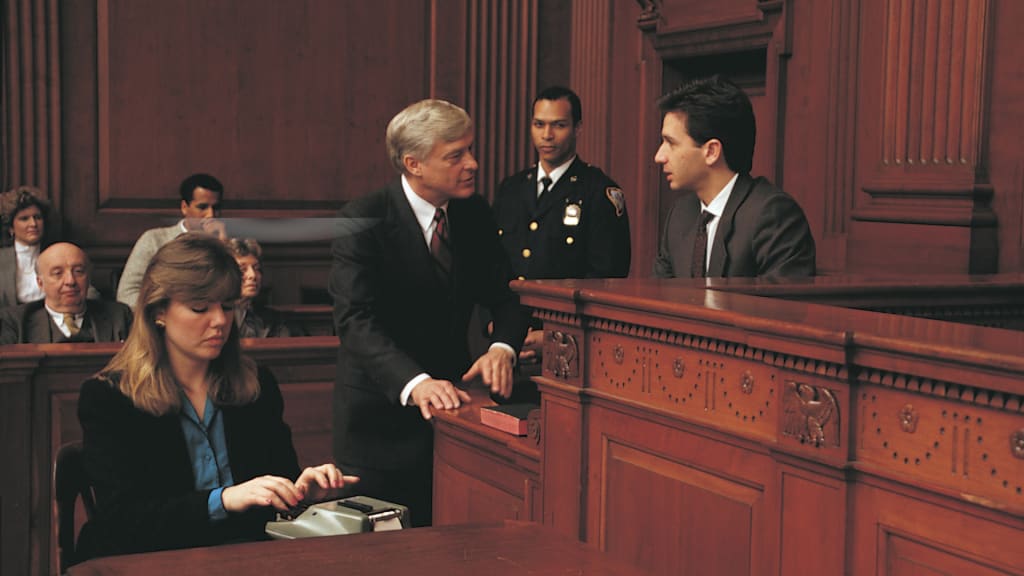
In legal proceedings, a witness's testimony can make or break a case. Their performance in the courtroom has a direct impact on the outcome of trials, settlements, and appeals. Adequate witness preparation is a crucial component of trial strategy and can significantly impact the result of the case. Whether you're preparing a fact witness or an expert witness, the stakes are high, and thorough preparation is essential to ensure a smooth, credible, and compelling delivery. Below, we'll explore how to prepare a court witness, the key elements to focus on, and the common pitfalls to avoid.
Why Witness Preparation Matters in Court
Witness preparation is not merely about practicing answers; it's about building credibility, ensuring consistency, and equipping the witness with the tools to handle brutal cross-examination. In a courtroom, a witness's performance is scrutinized not only by the opposing attorney but also by the judge and jury. If a witness falters or presents conflicting statements, it can lead to credibility issues that undermine the case.
Key Legal Terms to Know:
Fact Witness: A person who has firsthand knowledge about the facts of the case, typically based on direct observation.
Expert Witness: A qualified individual with specialized knowledge or expertise who provides testimony to help the court understand complex issues.
Hearsay: A statement made outside of court that is presented to prove the truth of the matter asserted, generally not admissible in court unless an exception applies.
Objection: A formal protest raised during the trial to challenge the admissibility of evidence or the line of questioning.
Witness preparation ensures that the information provided by the witness aligns with the facts and doesn't invite unnecessary objections from the opposing side.
Step-by-Step Tips for Preparing a Witness
When preparing a witness for trial, it's essential to guide them through the process and make them feel confident in their role. Here are the core steps involved:
1. Clarify Their Role
Explain to the witness their specific role in the trial. Are they providing factual testimony, or are they offering expert opinions? Understanding their position within the case will help them focus on the right aspects of their testimony.
2. Review Facts and Avoid Speculation
Ensure that the witness understands the importance of sticking to the facts. They should never speculate on matters outside their knowledge. Encourage the witness to answer questions based on their knowledge or firsthand experience rather than assumptions.
3. Mock Q&A Sessions
One of the best ways to prepare a witness is by simulating courtroom questioning. Conduct mock direct examinations and practice cross-examinations to help the witnesses get accustomed to the kind of questioning they might face. This will help them remain calm and poised during the actual trial.
4. Emotional Readiness
The trial can be emotionally taxing for many witnesses, especially if the case involves sensitive issues. Ensure that they understand the emotional toll and coach them on how to remain composed and professional in high-pressure situations. Reassure them that it's normal to feel nervous, but they should focus on the facts and remain clear-headed.
5. Dress and Body Language
The way a witness presents themselves in the courtroom is just as important as their testimony. Advise the witness on proper courtroom attire and posture. Please encourage them to maintain eye contact, speak clearly, and refrain from using gestures that may be perceived as evasive or untrustworthy.
Common Pitfalls and How to Avoid Them
Witness preparation is a delicate process, and several common mistakes can undermine a witness's performance in court. Here are the most critical pitfalls to avoid:
1. Over-Coaching
While it's essential to prepare a witness, over-coaching can lead to the appearance of scripted or rehearsed testimony, which can raise doubts about credibility. Avoid dictating answers or giving overly detailed instructions on how to answer questions.
2. Inconsistent Statements
Ensure that the witness's statements are consistent across all platforms, including depositions, written affidavits, and trial testimony, to maintain accuracy and credibility. Inconsistencies can lead to accusations of dishonesty or confusion, which can damage the case.
3. Going Off-Script
Some witnesses may feel the urge to add additional commentary or speak beyond what is asked of them. It's essential to remind witnesses to stay on topic and answer only the questions being asked. Going off-script can lead to unexpected consequences, including potentially harmful admissions.
4. Getting Emotionally Triggered
Witnesses in cases involving trauma or sensitive subjects may become emotionally triggered during testimony. It's crucial to prepare them for the possibility of emotional responses but also to teach them strategies to regain composure and avoid becoming overwhelmed during cross-examination.
Legal Framework to Keep in Mind
Witness preparation must always be conducted within the bounds of legal and ethical guidelines. While it's vital to ensure that the witness is well-prepared, it's equally important to avoid any actions that might be seen as tampering with the witness's testimony.
Ethical Boundaries:
Witness Tampering: It's illegal to attempt to influence or threaten a witness in any way. Preparation should focus on helping the witness understand their role and deliver truthful testimony.
Professional Conduct Rules: Attorneys must adhere to strict rules regarding witness coaching. The ABA Model Rules of Professional Conduct, particularly Rule 3.4, outline what constitutes ethical behavior in the preparation of witnesses.
Jurisdiction-Specific Nuances:
Remember that rules surrounding witness preparation and admissibility of testimony may vary depending on the jurisdiction. Always ensure that your preparation methods align with local legal practices.
Modern Tools That Aid Witness Prep (Optional)
In today's tech-driven legal landscape, various tools are available to assist with witness preparation. Some firms utilize video analysis software to assist witnesses in reviewing their deposition or trial testimony. Document comparison tools can also be employed to ensure that witness statements are consistent with prior evidence.
However, it's essential that these tools be used ethically and that they don't veer into improper coaching. Technology should enhance the witness's understanding and comfort with the trial process without influencing their testimony.
Conclusion
Thorough witness preparation is essential to presenting a compelling case in court. By providing witnesses with the necessary tools, guidance, and confidence to testify clearly and consistently, attorneys can significantly increase the likelihood of a favorable outcome. Whether you're preparing a fact witness or an expert witness, thorough preparation—while adhering to legal and ethical guidelines—is key to success in court.
Legal Case Checklist:
If you're preparing for trial and need additional support in preparing your witnesses, consider consulting with an attorney who specializes in litigation. Proper preparation, including coaching and practice, is crucial to ensuring your case is presented in the best possible light.
FAQs
What should I not say in court as a witness?
As a witness, you should avoid speculation, hearsay, or anything outside your knowledge or experience. Stick to the facts and answer questions as honestly and precisely as possible.
Can a lawyer coach a witness?
Yes, a lawyer can prepare a witness by helping them understand the case and the questions they might face. However, it is illegal for a lawyer to coach a witness on how to answer specific questions or influence their testimony.
How can transcription help in witness preparation for court?
Transcription services play a crucial role in preparing a witness for court by providing accurate, verbatim records of previous depositions, interviews, or mock examinations. Legal teams often review these transcripts to identify inconsistencies, refine responses, and ensure alignment with key facts. Human transcription services like GMR Transcription, in particular, offer high accuracy, helping attorneys catch even subtle variations in language that might be challenged in cross-examination. Having clean, searchable transcripts also improves collaboration across the legal team and supports more efficient document review.
About the Creator
Beth Worthy
Beth Worthy is President of GMR Transcription Services, Inc., a U.S. company offering 100% human transcription, translation, and proofreading for academic, business, legal, and research clients.
Keep reading
More stories from Beth Worthy and writers in Journal and other communities.
How a Small Mistake in a Deposition Transcript Can Hurt the Case
In the legal world, precision matters; every word can be a key piece of evidence or a critical legal argument. A deposition transcript is the official written record of sworn testimony, often relied upon in court to help build or dismantle cases. But while it may appear straightforward, even a minor transcription error can be catastrophic. Misheard words, misplaced punctuation, or even the omission of a single sentence can completely alter the meaning of testimony and, in turn, the trajectory of a case.
By Beth Worthy7 months ago in Journal
Silver Screen Magic with Mae West
American actress and singer Mae West became a popular film actress during the Great Depression. She started entertaining in vaudeville, then performed on Broadway, and finally went to Hollywood. She signed up with Paramount Pictures and made her debut in the 1932 film “Night After Night.” She also starred in musicals, comedies, and crime dramas. The American Film Institute named her one of the best classic Hollywood actresses.
By Rasma Raisters3 days ago in Geeks


Comments
There are no comments for this story
Be the first to respond and start the conversation.