
How a Small Mistake in a Deposition Transcript Can Hurt the Case
Why Even Small Transcription Mistakes Can Be Catastrophic for Your Legal Case

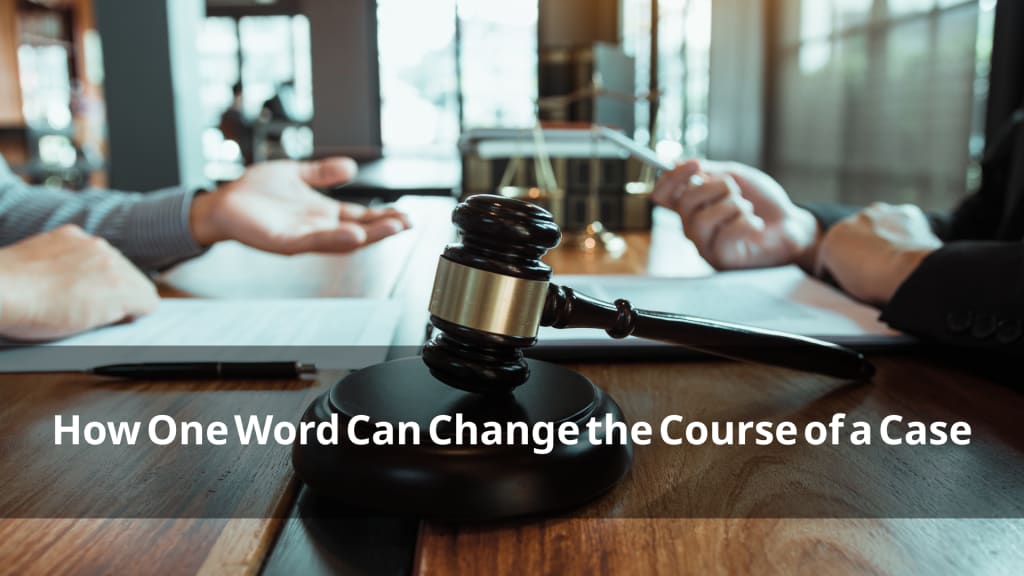
In the legal world, precision matters; every word can be a key piece of evidence or a critical legal argument. A deposition transcript is the official written record of sworn testimony, often relied upon in court to help build or dismantle cases. But while it may appear straightforward, even a minor transcription error can be catastrophic. Misheard words, misplaced punctuation, or even the omission of a single sentence can completely alter the meaning of testimony and, in turn, the trajectory of a case.
For legal professionals, these errors are not merely annoyances; they can have far-reaching consequences that damage a witness's credibility, cause delays, and lead to substantial financial and strategic setbacks. In this article, we'll explore how seemingly minor mistakes in deposition transcripts can have a significant impact on legal cases, particularly in litigation, appeals, and high-stakes scenarios. We'll also look at ways to prevent these errors, ensuring your case remains as airtight as possible.
What Is a Deposition Transcript?
A deposition transcript is a written record of a witness's sworn testimony taken outside of the courtroom, typically during pre-trial discovery. Depositions serve as one of the most essential tools in the litigation process. They allow lawyers to gather facts, assess witness credibility, and prepare their case strategy.
Depositions are typically conducted under oath, and a court reporter or transcriptionist records the testimony. These transcripts are critical for:
- Cross-examinations – Deposition transcripts serve as the foundation for questioning witnesses during the trial.
- Supporting or refuting evidence – Depositions can be used to challenge inconsistencies or contradictions in a party's statements.
- Impeaching witness credibility – If a witness's deposition testimony contradicts their trial testimony, it can be used to undermine their reliability and honesty.
- Preparing legal strategies – Attorneys rely on deposition transcripts to formulate legal strategies, develop arguments, and assess the strength of their case.
Since these transcripts often play a pivotal role in shaping the outcome of a case, their accuracy is not only necessary but also essential.
How Small Mistakes in Deposition Transcripts Can Hurt a Case
1. Misinterpretation of Testimony
A single incorrect word can change the entire meaning of a sentence and, consequently, alter the whole case. Consider the following example:
Example:
"He didn't say he saw the gun."
"He did say he saw the gun."
That one-word difference, "didn't" vs. "did," could turn a case upside down, especially in criminal trials where such discrepancies could mean the difference between conviction and acquittal.
Consequences:
Misleading the jury: A single misinterpreted word can lead to a completely different interpretation of a key piece of evidence or testimony. This can influence the jury's perception, potentially leading them to draw faulty conclusions or disregard critical information.
Inaccurate legal analysis: Mistakes in transcripts can mislead legal teams about the original intent of the testimony. This can distort legal analysis, leading attorneys to pursue strategies that are based on incorrect assumptions.
Faulty expert reports: Experts often base their opinions on deposition transcripts, which can lead to inaccurate conclusions. A misinterpretation of key facts could lead experts to provide inaccurate testimony, which in turn could affect the credibility of the entire case.
2. Undermining Witness Credibility
Witness credibility is often a pivotal factor in the outcome of a case. Lawyers rely on accurate transcripts to assess a witness's even minor error. A small mistake in the lead-to script can cause inconsistencies that undermine the witness's trustworthiness.
Example:
Suppose a witness testifies that they "don't recall" a particular event. However, the transcript reads that they "didn't see" the event. This subtle difference could open the door for opposing counsel to argue that the witness is either lying or suffering from selective memory, further damaging their credibility.
Result:
The opposing counsel may exploit these inconsistencies, potentially casting doubt on the witness's integrity and damaging the client's position in court.
3. Jeopardizing Appeals and Legal Proceedings
Depositions are often crucial in appellate cases, where the decision is based purely on the written record. An incorrect transcription in this context can cause:
Dismissal of legitimate appeals: If a deposition transcript is the cornerstone of an appeal and contains inaccuracies, the appellate court may dismiss the appeal entirely.
Confusion for appellate judges: Appellate courts do not hear testimony directly; they rely on the transcript. A flawed deposition transcript can lead to confusion about the facts and ultimately impact the court's decision.
Unfavorable rulings: In high-stakes litigation, any mistake in a deposition transcript can result in the court issuing an adverse ruling based on incorrect information.
In appellate cases, where the written record is everything, a single transcription error can be disastrous, especially in cases involving discovery violations or evidentiary rulings.
4. Increased Legal Costs and Delays
Correcting transcription errors is rarely a quick or inexpensive process. The correction process often involves:
Retaking depositions: If an error is discovered, it may be necessary to re-depose the witness, resulting in delays and additional legal fees.
Expensive motions: If a significant error is discovered after the deposition has been submitted, parties may need to file a motion for a new trial, a motion to strike the testimony, or a motion for sanctions, all of which incur additional legal costs.
Legal complexities: Correcting a deposition error may involve time-consuming legal arguments, including discovery disputes or court motions to introduce corrected testimony into the record.
Financial Implications:
Increased billable hours – The legal team will incur additional hours addressing the error, whether by re-deposing the witness, consulting experts, or filing motions.
Delayed trial schedules – Errors can delay trial preparation as attorneys work to correct mistakes, which may push back trial dates and result in further complications.
Extra resources – Law firms may need to allocate more resources to address avoidable issues, such as hiring additional court reporters or engaging in legal disputes over the error.
Why Do Mistakes in Deposition Transcripts Happen?
Despite the critical role of deposition transcripts, mistakes are inevitable. Common causes include:
Human Error
Typographical mistakes: Even experienced transcriptionists can occasionally mistype words, especially when dealing with complex or lengthy testimonies.
- Mishearing similar-sounding words: Transcriptionists may confuse words that sound alike, such as "affect" and "effect," or "cite" and "site," which can completely alter the meaning of the testimony.
- Omitted sections: If the deposition is rushed, a transcriptionist may unintentionally omit sections of testimony, leaving out crucial information that could sway the case.
Lack of Legal Knowledge
General transcriptionists may lack the specific legal knowledge necessary to transcribe legal jargon or case-specific terminology accurately. For instance, a generic transcriptionist may write "injured party" instead of "plaintiff" or confuse terms like "motion to compel" with "motion to dismiss," leading to confusion.
Poor Audio Quality
Background noise, technical malfunctions, or poor audio quality can make it difficult to capture every word accurately. In high-stakes cases, even the smallest misinterpretation due to poor audio can have significant repercussions.
Automated Transcription Tools
While speech-to-text technology has improved, AI-based transcription tools are still inadequate for the legal field. These tools may misinterpret tone, mislabel speakers, or fail to capture the nuances of legal terminology. For example, they may struggle to distinguish between "deponent" and "plaintiff," which can change the entire context of the testimony.
How to Prevent Deposition Transcript Errors
Choose a Professional Legal Transcription Service
Hiring certified transcription services with specialized legal expertise ensures that the final transcript:
- Uses accurate legal terminology: Skilled professionals understand the intricacies of legal language, ensuring that terms are used correctly and consistently.
- Follows legal formatting standards: Legal transcription has strict formatting requirements. Professional services will adhere to these standards, ensuring the document meets the court's expectations.
- Provides quality assurance (QA): Established services often use multiple rounds of review and quality assurance processes to ensure every detail is correct.
Confirm the Use of Human Transcription
Unlike automated transcription tools, human transcriptionists can understand the context, tone, and nuances of legal testimony. A human-only transcription service is crucial, as it reduces the risk of errors that AI tools commonly introduce.
Conduct a Thorough Review Before Submission
Before submitting a deposition transcript to court or opposing counsel, always:
- Verify the accuracy of names, dates, and locations.
- Check speaker labels to ensure proper identification.
- Review formatting to ensure it adheres to legal standards.
Flag inaudible sections and note any corrections on an errata sheet, if necessary.
Suggested QA Checklist:
- Are all names and dates accurate?
- Are speaker labels applied clearly and correctly?
- Does the transcript follow court-approved legal formatting?
Were any inaudible or unclear sections flagged for later review or correction?
Is an errata sheet included to account for any necessary corrections?
What to Look for in a Legal Transcription Partner
When choosing a transcription partner, consider these key factors:
- 100% U.S.-based transcriptionists who are familiar with the legal system and jurisdictional nuances.
- Human-only transcription services to ensure accuracy and understanding of context.
- Strict confidentiality agreements and data security compliance measures are in place to protect sensitive client information.
- Legal formatting expertise to meet court and regulatory standards.
- Rapid turnaround without compromising quality.
Final Thoughts
In the legal profession, precision is paramount. Even a small mistake in a deposition transcript can misrepresent facts, undermine a case, and damage your client's position in court. That's why choosing the right trans—portion service, one with — legal expertise, is not just important; it's essential.
If you care about the integrity of your case, don't risk it with inaccurate deposition transcripts. Choose professional, human-only, legally trained legal transcription services who understand the stakes and the legal nuances involved.
Frequently Asked Questions (FAQs)
1. What is a deposition transcript used for?
A deposition transcript is a verbatim written record of sworn witness testimony used to prepare for trial, impeach witnesses, or support appeals.
2. Can a transcription error affect the outcome of a legal case?
Yes. Even a small error can lead to misinterpretation of facts, affect credibility, and damage the case during trial or appeal. Errors in crucial testimony may result in a motion for a new trial or a motion to strike the testimony.
3. How do I correct an error in a deposition transcript?
You must file an errata sheet, signed by the witness, detailing the corrections, though not all jurisdictions allow this after submission. In some cases, the motion for correction must be filed in court.
4. Are AI transcription tools reliable for legal transcripts?
No. AI tools can misinterpret context, legal terminology, and the tone of the speaker. Human transcription is still the gold standard for legal accuracy. Automated transcription tools often fail to accurately label witnesses or interpret legal language, leading to critical errors.
5. How can I ensure my deposition transcript is accurate?
Work with a specialized legal transcription service that offers human transcription, strict QA processes, and legal formatting compliance. Regular reviews, cross-checks, and motions for correction processes can ensure accuracy in the final document.
About the Creator
Beth Worthy
Beth Worthy is President of GMR Transcription Services, Inc., a U.S. company offering 100% human transcription, translation, and proofreading for academic, business, legal, and research clients.
Keep reading
More stories from Beth Worthy and writers in Journal and other communities.
Why Transcription Is Important in Insurance Claim Processing
In the intricate landscape of the insurance industry, precision is not just a competitive edge. It is a fundamental necessity. Claims professionals are responsible for navigating a sea of sensitive, case-defining information. Even a seemingly minor misheard word or overlooked statement can significantly alter the course of a claim, affecting everything from processing speed to the ultimate legal outcome.
By Beth Worthy8 months ago in Journal
The goals I did not achieve
Every writing goal I made for the year is a wash. It has been this way for a while, but I think it's important to be open about my failures and the reality of how life can get in the way. This is especially true considering the several times I have posted on Vocal about my writing goals, how I was changing my approach, and where I was hoping to be for the upcoming year. I will probably do that again in a couple months, but for now, it is time to acknowledge where I am today.
By Kay Husnick21 days ago in Journal
A Comprehensive Guide to Starting a Mental Health Business and Building Client Trust
Introduction: The Rising Demand for Mental Health Services The modern era has witnessed an escalating recognition of psychological well-being as a central pillar of human flourishing. Increasing stressors, social isolation, and rapid technological change have heightened the need for accessible mental health services. Starting a mental health business responds not merely to economic opportunity but to a profound societal imperative. With thoughtful planning and unwavering ethical grounding, such a venture can become both sustainable and transformative, supporting individuals in reclaiming equilibrium and emotional resilience.
By Fida Hassain4 days ago in Journal



Comments
There are no comments for this story
Be the first to respond and start the conversation.