
“North Koreas Huge Surprise” Allowing Tourism, Is IT Real ?
A Details About North Koreas Tourism
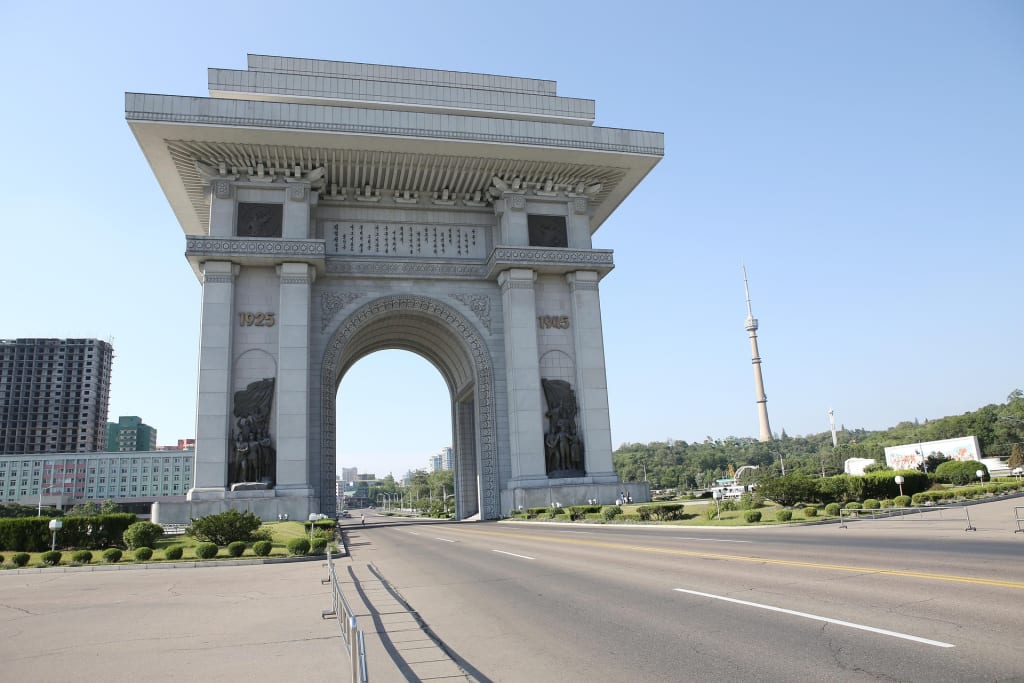
Even seemingly insignificant actions, such as reopening a border city to tourists, can have a significant impact in the intricate world of North Korean diplomacy. However, that door has swung shut as swiftly as it creaked open, in typical Pyongyang fashion. A glimmer of hope appeared in early 2025 when North Korea received its first Western visitors in more than five years. Rason, a special economic zone tucked away in the nation's northeast, is the destination, where it will meet up with Russia and China. However, the thrill didn't last long. Only a few weeks after the first wave of foreigners cautiously entered the strictly controlled city, the regime closed the gates and stopped all travel once more.
A Cautios Step
Rason is not like other North Korean cities. For a long time, it has served as a test site for controlled capitalism. The economic structure of the region is a little more open as a result of foreign investment, particularly from China and Russia. Rason provides glimpses of local industry and trade with a sliver of authenticity, in contrast to Pyongyang, where tourists find everyday life to be more performative. It was a cautiously hopeful sign when 13 Westerners, from countries like the UK, Germany, Australia, and France, were permitted entry into Rason in February 2025. These weren't renegade hikers crossing the border covertly. These visitors were brought in by specialized tour operators like Koryo Tours and Young Pioneer Tours, which have long collaborated with the North Korean government, and were officially sanctioned.
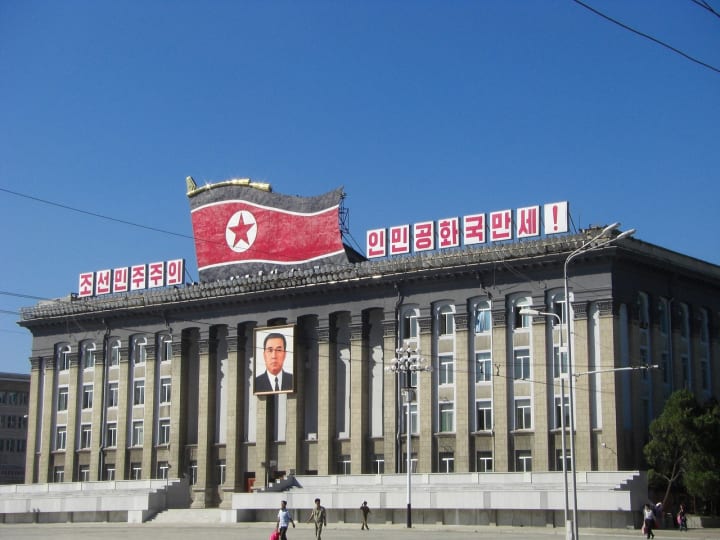
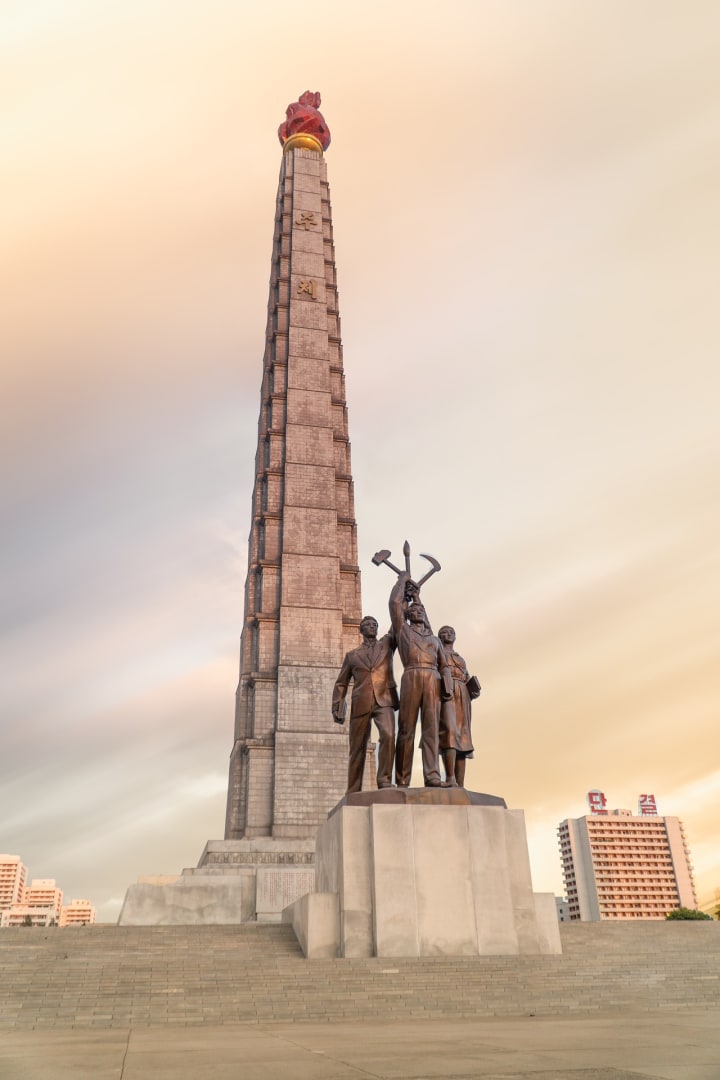
Factory excursions, school trips, monument visits, and the required bowing before statues of Kim Il-sung and Kim Jong-il were all part of their highly planned visits. In keeping with the traditional North Korean tourist experience, there was no interaction with locals and no one was left unattended. However, this was a step forward for a government that had shut down its borders entirely during the pandemic and upheld a COVID-free claim that was disputed by specialists. Or so it appeared.
Then there was silence.
In just a few weeks, the plug was removed. Operators of planned tours were subtly instructed to halt them. There would be no more foreign groups permitted. The sole reason? ambiguous remarks on internal choices – no official apologies or public release. Just a quick escape from what had seemed to be the gradual melting of solitude.
What then took place?
The Fear of Unpredictability
Perhaps the world's most repressive society is North Korea. Everything is strictly controlled by the government, from hairstyle regulations to media restrictions. There is a problem with tourism, especially from Western nations. In addition to bringing in foreign exchange, it also offers the possibility of exposure for both residents and tourists.
Pyongyang may find the prospect of unplanned meetings or uncontrolled photography unsettling, even in Rason, where the presence of foreign entrepreneurs is more accepted than in other regions of the nation. The image of strength and prosperity that North Korea strives to portray is shattered when tourists share even innocuous pictures of empty shelves or schools with antiquated supplies. Furthermore, in the era of social media
Fragile Balancing Act
North Korea’s reopening efforts appear to be testing waters that are still very cold. The leadership under Kim Jong-un is likely torn between two imperatives: reviving an economy battered by sanctions and isolation, and preserving the ideological purity of the “hermit kingdom.” The country has suffered tremendously over the past five years. The COVID-19 pandemic resulted in some of the most extreme lockdowns in the world, with the country essentially severing all foreign access. Trade with China — its lifeline — was minimized, and the tourism sector, small but valuable, came to a halt. Reopening to even a tiny trickle of tourists in 2025 may have been an attempt to reignite that stream of income. But the abrupt reversal shows how fragile that
It's possible that the suspended Rason excursions are not a unique escape. Uncertainty has also plagued the long-delayed Wonsan-Kalma beachfront resort, which has been dubbed North Korea's equivalent of Western beach resorts. Kim himself has stated that it will open in June 2025, however there are still questions. Similar to this, the Pyongyang Marathon, which was formerly a unique opportunity for foreigners to travel to the capital, is currently in jeopardy due to concerns over whether or not international competitors will be permitted to compete.
North Korean’s Tourisms Future
The main conclusion is that North Korea desires the advantages of tourism without the associated hazards. It wants money, not conversation. It does not want storytellers; it wants viewers. In a world when connectivity and transparency are essential, this tightrope act is untenable. For their part, international travel companies have mastered the skill of negotiating this ambiguity. They are still cautiously hoping that the present suspension would only last a short while. They are familiar with the game, though. In North Korea, nothing is certain.
Because of this unpredictability, the nation has an air of unique mystique. Some daring tourists aren't deterred. They find part of the appeal in the uncertainty. Many others, however, see the most recent closure as just another reminder of how difficult it is to cut through the veil that surrounds the DPRK.
Concluding remarks
Rason's brief launch was never about complete openness or sincere interpersonal communication. It was a strictly controlled economic experiment, and the fact that it was shut down so quickly indicates that the regime still has a limited appetite for openness and is easily alarmed. Moments such as the reopening of Rason will remain ephemeral until North Korea can reconcile its concern with control with its desire for economic cooperation. The curtain is always poised to fall, even if the public may occasionally get a glimpse—a tour here, a marathon there.
About the Creator
Erfanul Haque Emon
Bringing everyone something new .....
Keep reading
More stories from writers in Journal and other communities.
China to Invest Up to $10bn in Pakistan with New Agreements
A new chapter in Sino‑Pak economic cooperation as billions in investments set to flow into key sectors In a significant development for Pakistan’s economy, China is poised to invest up to $10 billion in Pakistan under a series of newly signed agreements and memorandums of understanding (MoUs). This move reflects renewed confidence by Chinese investors and policymakers in Pakistan’s economic potential, as well as Islamabad’s commitment to attracting foreign direct investment (FDI). The announcement, made by Pakistan’s Federal Minister for Investment, Qaiser Ahmed Sheikh, signals a potential surge in bilateral cooperation across several key sectors including agriculture, mining, automotive production and infrastructure development.
By Salaar Jamaliabout 14 hours ago in Journal
How, Too
Many people wonder how, too. You are not alone, and I am an expert. I will teach you how, too! First, you need to remit a small application fee and fill out an application describing the nature of your financial situation and how often payments will be made, as this will have great bearing on how well I teach you how, too.
By Harper Lewis7 days ago in Fiction



Comments
There are no comments for this story
Be the first to respond and start the conversation.