
Nobel Peace Prize Vs Donald Trump
A Critical Look at Politics, Diplomacy, and the Meaning of Peace

Introduction
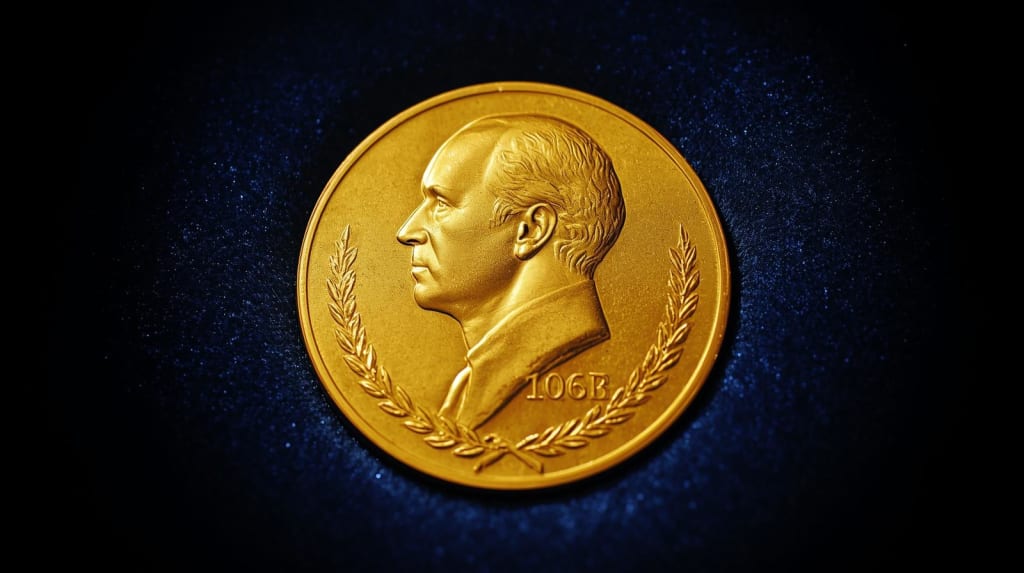
The Nobel Peace Prize is one of the world’s most respected honors, awarded to individuals or organizations that contribute significantly to global peace and harmony. Over the years, it has recognized leaders who have worked toward ending wars, promoting human rights, and encouraging diplomacy. When Donald Trump’s name began circulating as a potential nominee, it sparked widespread debate. Some viewed his actions as deserving of recognition, while others saw his leadership as too divisive for such an award.
Background of the Nobel Peace Prize
Established by Alfred Nobel’s will in 1895, the Nobel Peace Prize has a long history of honoring those who promote peace through negotiation and humanitarian work. Recipients include figures like Martin Luther King Jr., Mother Teresa, Nelson Mandela, and Barack Obama. Each has left a lasting impact on international relations and human welfare. The award symbolizes a commitment to dialogue, nonviolence, and moral leadership—values that often come under scrutiny when politicians are considered.
Donald Trump’s Claim to the Prize
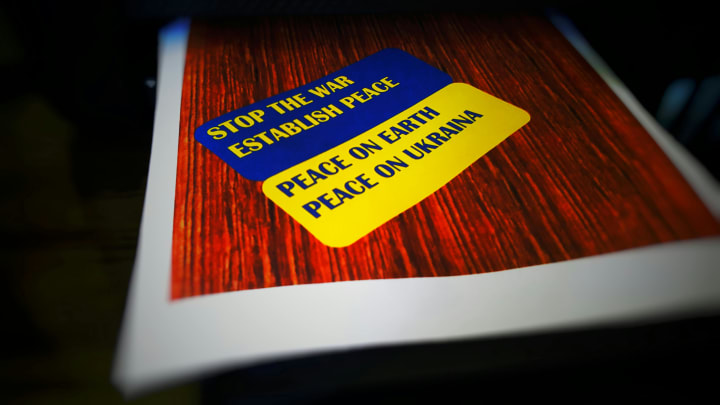
Donald Trump’s supporters argue that his foreign policy achievements justify a Nobel Peace Prize nomination. The main example often cited is his role in facilitating the Abraham Accords, a series of normalization agreements between Israel and several Arab nations. These accords were seen as a breakthrough in Middle Eastern diplomacy, reducing tensions and opening new pathways for cooperation.
In addition, Trump initiated direct talks with North Korea, breaking decades of silence between the two nations. His administration also avoided major new military conflicts, something rare for recent U.S. presidencies. For these reasons, some supporters viewed him as a president who favored negotiation over warfare.

Criticism and Controversy
Despite these diplomatic efforts, Trump’s leadership was marked by controversy both at home and abroad. Critics argue that his approach to international relations was inconsistent and often self-centered. While he pursued peace talks in some regions, he withdrew from international agreements such as the Paris Climate Accord and the Iran Nuclear Deal, moves that many experts considered damaging to global stability.
Furthermore, his tone and policies toward immigrants, minority groups, and global organizations like the World Health Organization drew criticism for being divisive rather than unifying. Many believed that his rhetoric, often confrontational, contradicted the spirit of peace that the Nobel Prize represents.
Comparing with Past Laureates
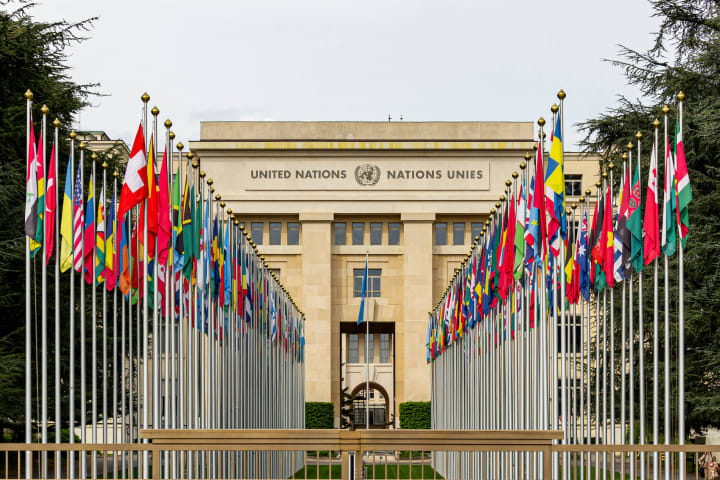
When comparing Donald Trump’s record with past Nobel Peace Prize winners, the contrast is significant. Leaders like Nelson Mandela and Malala Yousafzai are remembered for their personal sacrifices and moral leadership in the face of oppression. Trump’s political style, focused on nationalism and personal success, differs greatly from the humanitarian focus of many laureates. This difference highlights the ongoing debate about whether political leaders who pursue peace through power and strategy should be recognized alongside those who embody peace through compassion and justice.

Public Perception and Political Influence
The idea of awarding Donald Trump the Nobel Peace Prize became deeply political. His supporters viewed it as validation of his foreign policy success, while opponents saw it as a mockery of the prize’s legacy. The debate revealed how polarized global politics has become, where even an award for peace can turn into a political battleground.
It also raised a broader question: should the Nobel Peace Prize honor tangible political achievements, or should it focus on moral and humanitarian contributions? This question remains open as the definition of “peace” evolves with modern global challenges.

Conclusion
The discussion around Donald Trump and the Nobel Peace Prize reflects a larger struggle to define what true peace leadership means. While Trump’s actions in the Middle East and North Korea showed elements of diplomacy, his broader political conduct often conflicted with the values the Nobel Committee upholds. In the end, his case serves as a reminder that peace is not only about negotiations or treaties, but also about empathy, unity, and respect—qualities that remain central to the spirit of the Nobel Peace Prize.
About the Creator
Alpha Man
I’m Alpha Man — a thinker, creator, and storyteller sharing ideas that challenge limits and inspire growth. My words explore confidence, love, and success to awaken the Alpha in you.
My Success Is Deu To My Best Respectful Girl Friend
The Beginning of a Beautiful Bond; Success often comes with hard work, effort, and perseverance. But behind my journey stands someone who gave me strength when I had none. Her name is Sarah, my best friend and the most respectful person I have ever known.
By Alpha Man5 months ago in Motivation
Strategic Growth Mindset
Professionals who study leadership and organizational growth, including business strategist Joel Keyser, often emphasize the importance of thinking beyond short-term wins. In competitive markets, companies that focus only on immediate results may struggle to sustain momentum. A strategic growth mindset encourages leaders to make decisions that build long-term value while strengthening teams, processes, and innovation.
By Joel Keyser7 days ago in Journal




Comments
There are no comments for this story
Be the first to respond and start the conversation.