
Strategic Growth Mindset
Lessons for Long-Term Business Success

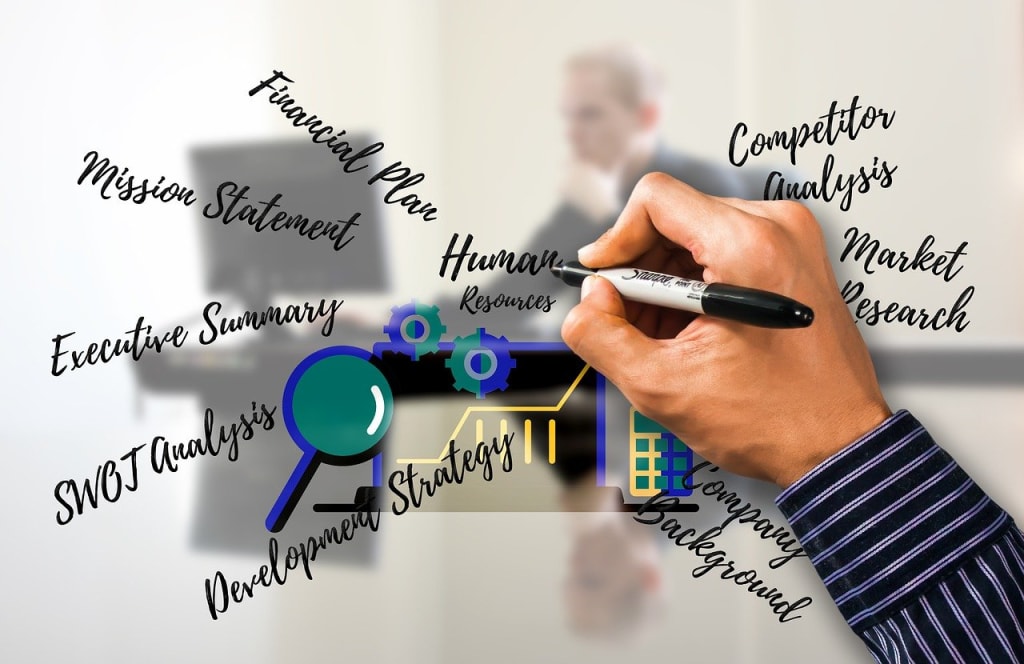
Professionals who study leadership and organizational growth, including business strategist Joel Keyser, often emphasize the importance of thinking beyond short-term wins. In competitive markets, companies that focus only on immediate results may struggle to sustain momentum. A strategic growth mindset encourages leaders to make decisions that build long-term value while strengthening teams, processes, and innovation.
What Is a Strategic Growth Mindset?
A strategic growth mindset focuses on long-term progress rather than short-term gains. Instead of reacting to daily challenges alone, organizations develop systems that allow them to grow steadily over time.
Several principles help support this approach:
Visionary Thinking: Establishing a clear direction for where the organization is headed.
Operational Discipline: Ensuring that daily actions support broader strategic goals.
Adaptive Learning: Adjusting strategies based on feedback, results, and changing conditions.
Organizations that embrace these principles are often better positioned to innovate, manage risk, and remain competitive as markets evolve.
Strategic Planning: Turning Vision Into Action
Strategic planning is not simply a document or roadmap. Effective planning connects vision with real execution across teams and departments.
Many organizations focus on three core elements:
Clear Objectives
Defining measurable goals provides clarity for decision-making and accountability.
Team Alignment
When departments share common priorities, collaboration improves and efforts remain focused.
Milestones and Metrics
Tracking progress with measurable indicators helps organizations identify challenges early and adjust strategies when needed.
For example, companies often use quarterly planning cycles to evaluate progress, refine goals, and keep teams aligned with broader objectives.
Leadership and Organizational Growth
Leadership plays a central role in turning strategy into measurable progress. Strong leaders not only set direction but also create environments where teams feel empowered to contribute ideas and solve problems.
Common leadership practices that support sustainable growth include:
Proactive decision-making, anticipating trends and challenges
Transparent communication, helping teams understand the reasoning behind decisions
Empowering employees, allowing teams to take ownership of initiatives
Resilience during change, maintaining stability and confidence during uncertain periods
When leaders prioritize clarity and trust, teams are more likely to stay engaged and aligned with long-term goals.
Creating a Culture of Strategic Thinking
Sustainable growth rarely happens without the right organizational culture. Companies that encourage curiosity, experimentation, and collaboration are often better equipped to adapt to change.
Organizations can encourage strategic thinking through several approaches:
Hiring individuals who align with long-term company values
Providing opportunities for continuous learning and professional development
Recognizing employees who contribute innovative ideas or improvements
Many companies also introduce internal innovation programs that allow teams to test new concepts or refine existing processes.
Balancing Risk and Opportunity
Growth inevitably involves risk. However, organizations that approach risk thoughtfully can turn uncertainty into opportunity.
Common strategies include:
Scenario Planning
Exploring potential outcomes helps organizations prepare for unexpected challenges.
Pilot Programs
Testing initiatives on a smaller scale allows companies to evaluate results before expanding efforts.
Data-Informed Decisions
Using analytics and performance data helps reduce uncertainty when evaluating new opportunities.
By balancing experimentation with careful evaluation, organizations can pursue growth while maintaining stability.
Continuous Learning as a Growth Driver
Another essential element of a strategic growth mindset is continuous learning. Markets evolve quickly, and organizations must remain adaptable.
Companies often encourage learning through:
Mentorship programs that accelerate professional development
Cross-functional collaboration that promotes knowledge sharing
Project reviews that identify lessons for future initiatives
These practices allow teams to refine processes and improve decision-making over time.
Leveraging Technology for Strategic Advantage
Technology has become a powerful driver of modern business growth. When used thoughtfully, digital tools can improve efficiency, enhance decision-making, and unlock new opportunities.
Examples include:
Predictive analytics to anticipate customer needs and market trends
Automation to streamline routine processes
Collaboration platforms that encourage innovation and knowledge sharing
However, technology is most effective when it supports strategy rather than replacing human insight and leadership.
Measuring Long-Term Success
Organizations that pursue strategic growth must also track progress effectively. Many leaders combine different types of metrics to evaluate performance.
Leading indicators provide early signals of future outcomes, such as customer engagement or operational efficiency.
Lagging indicators measure results after they occur, including revenue growth, profitability, or market expansion.
Monitoring both types of metrics allows organizations to adjust strategies proactively while maintaining focus on long-term objectives.
Conclusion
A strategic growth mindset encourages organizations to look beyond short-term results and focus on building sustainable progress. By aligning leadership, planning, culture, and innovation, businesses can develop systems that support long-term success.
Leaders and strategists across industries—including professionals such as Joel Keyser, who often discuss the importance of long-term thinking in business—highlight the value of combining clear vision with disciplined execution. When organizations adopt this approach, growth becomes not just possible, but sustainable.
About the Creator
Joel Keyser
Joel Keyser is an accomplished leader with extensive experience spanning roles as Athletic Director, CEO, CFO, and advisor to nonprofits
Keep reading
More stories from Joel Keyser and writers in Journal and other communities.
Strength in Stillness
In a world that rewards speed, visibility, and constant reaction, there is quiet strength in moving with intention. Not every path is meant to be loud. Some are built slowly—through discipline, reflection, and consistency. The story and presence of Joel Keyser eflect that steadier rhythm, one focused less on appearance and more on foundation.
By Joel Keyser8 days ago in Journal



Comments
There are no comments for this story
Be the first to respond and start the conversation.