
Indonesia Urges Apple and Google to Ban China's Temu: A Bold Move to Shield Local Small Businesses
Understanding Temu's Business Model

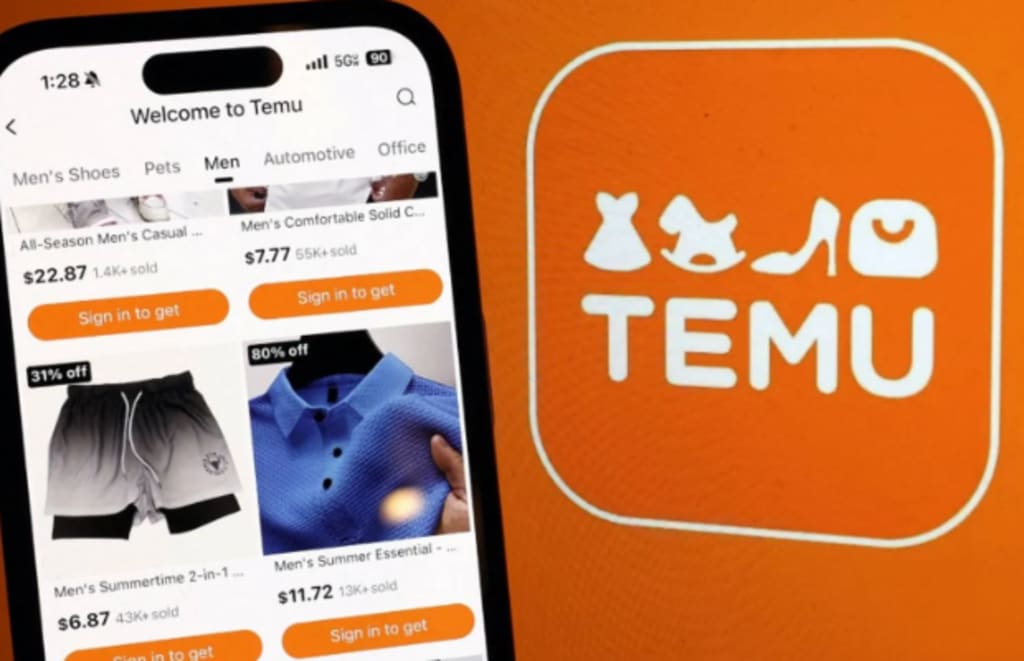
In a strategic move to safeguard its burgeoning small and medium-sized enterprises (SMEs), Indonesia has officially requested tech giants Apple and Google to remove China's fast-fashion e-commerce platform, Temu, from their respective app stores. This initiative underscores Indonesia's commitment to nurturing local businesses amidst the rising tide of international competition in the e-commerce sector.
Understanding Temu's Business Model
Temu, a subsidiary of PDD Holdings, has rapidly gained traction in the global e-commerce landscape by offering consumers access to ultra-affordable products sourced directly from Chinese factories. This direct-to-consumer approach eliminates middlemen, enabling Temu to offer significantly lower prices compared to traditional retailers. While this model has propelled Temu to international prominence, it has also raised concerns about its impact on local markets, particularly in countries like Indonesia where SMEs form the backbone of the economy.
Indonesia's Concerns: Protecting SMEs from Unfair Competition
Indonesia's Communications Minister, Budi Arie Setiadi, revealed in a recent statement to Reuters that the government's primary motivation behind requesting the removal of Temu from app stores is to preemptively shield local SMEs from the competitive pressures posed by low-cost imports. "Temu's rapid growth and its unhealthy competition through significantly reduced prices could undermine the sustainability of our local businesses," Budi stated.
Despite not identifying any current transactions by Indonesian residents on Temu's platform, the government remains cautious. This proactive stance aims to prevent potential market disruptions that could arise from an influx of inexpensive products, which might otherwise erode the market share of local merchants.
The Broader Implications for Indonesia's E-commerce Landscape
Indonesia's e-commerce sector is on an upward trajectory, with projections indicating a growth from $62 billion in 2023 to approximately $160 billion by 2030, according to a collaborative report by Google, Singapore's Temasek Holdings, and consultancy Bain & Co. This expansion highlights the critical role of digital marketplaces in the nation's economic future. However, the entry of global players like Temu introduces competitive dynamics that could challenge the growth and sustainability of local platforms.
In light of these developments, Indonesia is not limiting its protective measures to Temu alone. Communications Minister Budi also mentioned intentions to request similar restrictions on other Chinese e-commerce giants, such as Shein, further emphasizing the government's commitment to protecting its local market.
Learning from Past Precedents: The TikTok Experience
Indonesia's current approach mirrors its previous actions against other foreign tech companies. Last year, the government compelled China's ByteDance, the parent company of TikTok, to shut down its e-commerce services within the country to protect local merchants and safeguard user data. In response to the regulatory pressures, TikTok negotiated a deal to acquire a majority stake in Indonesian tech conglomerate GoTo's e-commerce unit, ensuring its continued presence in Southeast Asia's largest e-commerce market.
This precedent suggests that while Indonesia is willing to impose restrictions to protect its local economy, it remains open to negotiations that can align foreign companies' operations with national interests.
The Potential Impact on Temu and Local Businesses
Should Apple and Google comply with Indonesia's request to block Temu, the Chinese e-commerce platform might face significant challenges in expanding its footprint within the Indonesian market. This move would not only limit consumer access to Temu's affordable products but also reduce the competitive pressure on local SMEs, allowing them to thrive without the immediate threat of undercutting prices.
For Indonesian consumers, the removal of Temu could mean fewer choices in the fast-fashion segment, potentially leading to a greater reliance on domestic brands and marketplaces. For local businesses, this could translate into increased visibility, higher sales, and the opportunity to invest further in product development and market expansion.
Future Outlook: A Balanced E-commerce Ecosystem
Indonesia's approach to regulating foreign e-commerce platforms like Temu and Shein reflects a broader strategy to cultivate a balanced and sustainable e-commerce ecosystem. By prioritizing the protection of SMEs, the government aims to ensure that the rapid growth of the digital marketplace benefits local entrepreneurs and contributes to the nation's economic resilience.
As Indonesia continues to navigate the complexities of globalization and digital transformation, its policies will likely serve as a blueprint for other nations grappling with similar challenges. The emphasis on safeguarding local interests while fostering a competitive marketplace underscores the delicate balance between embracing innovation and preserving economic stability.
Conclusion
Indonesia's decision to request Apple and Google to block China's Temu from their app stores is a significant step towards protecting its local SMEs from potentially disruptive foreign competition. This move not only highlights the importance of supporting domestic businesses in the face of globalization but also sets the stage for a more controlled and sustainable growth of Indonesia's e-commerce sector. As the nation continues to expand its digital economy, such strategic interventions will be crucial in ensuring that the benefits of e-commerce are equitably distributed among its local enterprises and consumers.
About the Creator
Global News Update
It cover a wide range of topics including politics, economics, technology, environment, and more from around the world. They often provide insights into significant events, trends, and developments impacting various regions globally.
Keep reading
More stories from Global News Update and writers in Journal and other communities.
"Biden Claims Elon Musk Started as an 'Illegal Worker' in the U.S.—Here's the Full Story"
President Joe Biden recently made a surprising statement, claiming that Elon Musk, the well-known entrepreneur and CEO of companies like Tesla and SpaceX, started his career in the United States as an "illegal worker." This statement has stirred conversations about Musk's early days in the U.S. and the broader topic of immigration. Here’s a closer look at what Biden said, Musk's response, and what it means for the conversation around immigration.
By Global News Updateabout a year ago in Journal
I Spent a Week Using Only a Dumbphone. My Brain Rewired Itself in a Surprising Way.
I made a simple rule. For seven days, I used only a dumbphone. Calls and texts only. No internet. No apps. No notifications. I expected boredom. I expected inconvenience. I did not expect a cognitive shift.
By Wilson Igbasi6 days ago in Journal
Silver Screen Magic with Mae West
American actress and singer Mae West became a popular film actress during the Great Depression. She started entertaining in vaudeville, then performed on Broadway, and finally went to Hollywood. She signed up with Paramount Pictures and made her debut in the 1932 film “Night After Night.” She also starred in musicals, comedies, and crime dramas. The American Film Institute named her one of the best classic Hollywood actresses.
By Rasma Raisters6 days ago in Geeks


Comments
There are no comments for this story
Be the first to respond and start the conversation.