
Hampta Pass Trek at 14,000 ft: Your Gateway to Chandratal & Spiti’s Wild Beauty
If you’ve ever wanted to escape the chaos of city life and lose yourself in the raw beauty of the Himalayas, let me introduce you to a gem Hampta Pass Trek. Tucked in the heart of Himachal Pradesh, this trek is like flipping through two different travel books lush green valleys on one side, and dry, dramatic landscapes on the other.
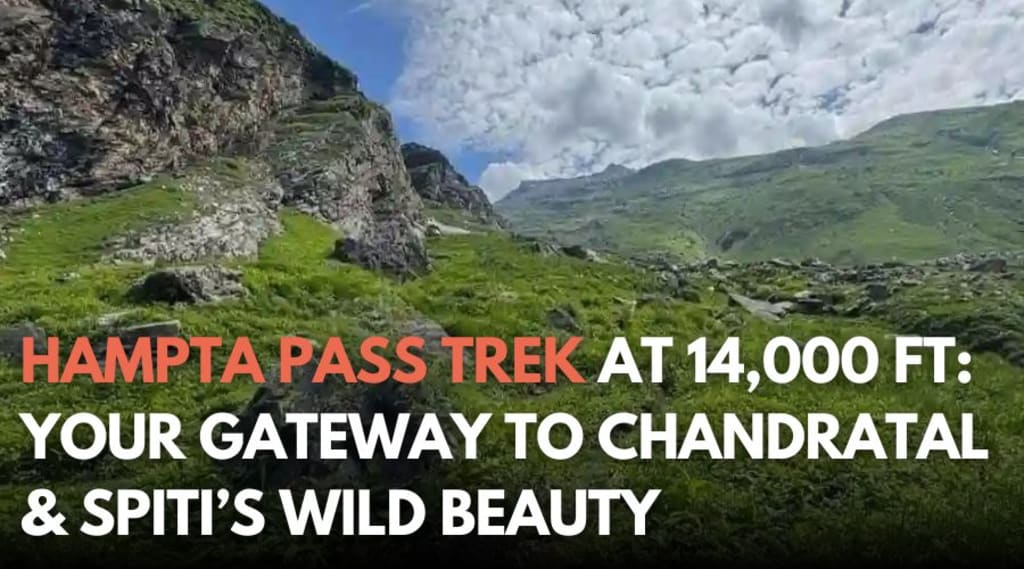
If you’ve ever wanted to escape the chaos of city life and lose yourself in the raw beauty of the Himalayas, let me introduce you to a gem Hampta Pass Trek. Tucked in the heart of Himachal Pradesh, this trek is like flipping through two different travel books lush green valleys on one side, and dry, dramatic landscapes on the other.
Hampta Pass | Credit : Himalayan Dream Treks (HDT)
I did this trek last season, and let me tell you, it’s not just about climbing a mountain it’s about discovering a different world. With meadows that look straight out of a Yash Raj movie, snowy mountain passes, and the surreal blue waters of Chandratal Lake, this is the kind of trip that stays with you.
So if you’re planning your next big adventure, here’s a full guide written not by a travel agent, but by someone who’s actually done it (and survived the uphill climbs, leech bites, and Maggi cravings!)
What is the Hampta Pass Trek?
The Hampta Pass Trek is a moderate-to-challenging trek in Himachal Pradesh, which connects the green Kullu Valley with the barren, high-altitude deserts of Spiti Valley. The highest point, Hampta Pass, sits at around 14,000 feet (4,270 meters).
It’s the perfect first Himalayan high-altitude trek for beginners who are fit and up for a challenge, or for seasoned trekkers looking for a quick 4-5 day escape.
Where Exactly Is It?
The trek starts from Jobra, which is a short drive from Manali, and ends near Chatru in the Spiti region. Many trekking groups also include a drive to Chandratal Lake at the end trust me, you don’t want to skip that!
Best Time to Do the Trek
The ideal time for the Hampta Pass trek is mid-June to mid-September. Here’s what each month feels like:
- June: Snow on the trail! It’s colder but magical. If you’ve never walked through snow before, this is it!
- July-August: Meadows full of flowers, green valleys, river crossings. Slight chance of rain, but manageable.
- September: Clear skies, fewer people, and great views. Probably the most balanced month weather-wise.
Avoid going after September it starts snowing heavily and the pass usually gets shut down.
Hampta Pass Weather & Temperature
Let’s keep it real Himalayan weather can be unpredictable, like Mumbai’s local trains.
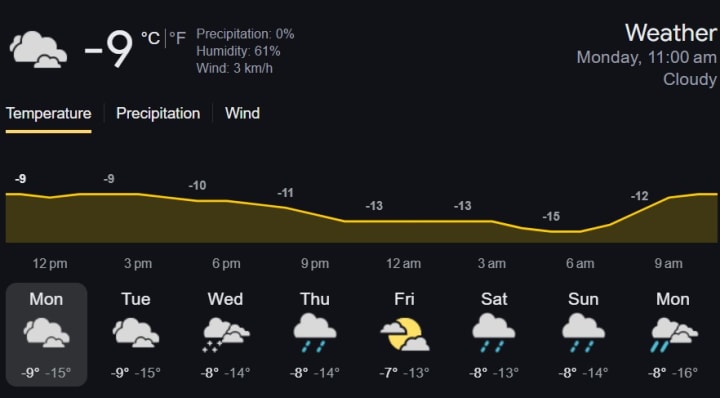
Here’s what I experienced and what you can expect:
- Daytime (Lower camps): 10°C to 15°C
- Night (Higher camps): 0°C to -5°C
- At the pass: Windy AF. Wear a windcheater or get ready to freeze your nose off .
- Always layer up: thermal inside, fleece or hoodie over that, and a jacket on top. Don’t forget gloves and a cap—cold ears are no joke.
Trek Distance & Duration
The total distance of the trek is about 26 to 30 km, depending on your group and detours.
- Duration: 4 to 5 days
- Trek Days: 3 to 4 (rest is travel and optional Chandratal visit)
It’s well-paced and doable if you have average fitness. No need to be a gym freak, but if you get breathless climbing stairs, maybe work on your stamina before heading out.
Permits for Hampta Pass Trek
Unlike some restricted treks in the Himalayas, you don’t need any hardcore permits. But:
Forest Entry Pass is required (usually arranged by trekking operators)
If you're visiting Chandratal Lake, additional permits might be needed (again, most groups handle this)
Carry Aadhaar or a valid government ID
Cultural Vibes: Touch of Spiti
The trek mostly passes through wilderness, but once you hit the Spiti side, you’ll notice the change. The people, the houses, the food—it all feels very Tibetan-Buddhist.
You’ll spot prayer flags, chortens (small stupas), and if you're lucky, maybe even interact with a local shepherd or monk. It’s peaceful and grounding in a way that’s hard to explain. Matlab, bas mann shant ho jaata hai.
Highlight: The Landscape Shift
This is the real magic of the Hampta Pass trek.
Start from Jobra, where you’re walking through forests and meadows—green everywhere, cows grazing, rivers flowing.
Then as you climb higher, you see glaciers, snow patches, and rocky terrain.
Cross the pass and boom! You’re in Spiti—no trees, dusty brown mountains, and surreal silence.
It’s like walking from Switzerland into Ladakh, all in a few days. Mind-blowing scenes, bro!
Water & Food
You’ll be camping, so food is mostly basic but hot and tasty—dal, chawal, roti, sabzi, maybe some Maggi, and soup at night. Most groups serve chai with every meal, which is exactly what you need in that cold.
Water? You’ll drink from mountain streams. It’s clean and pure, but carry a bottle with a filter cap or purifying tablets, just in case.
Chandratal Lake
If you’re ending the trek at Chatru, do not skip Chandratal Lake. It's a 3-4 hour drive depending on the road (and whether it’s moody or kind ).
The lake is crescent-shaped, surrounded by mountains, and it reflects the sky like a mirror. I sat there quietly for 20 minutes just taking it in—and for someone who talks a lot, that’s saying something.
Trek Itinerary Snapshot
Here’s a quick idea of how the days go (from Himalayan Dream Treks-style itineraries):
Day 1: Manali to Jobra drive, trek to Chika
Day 2: Chika to Balu Ka Ghera
Day 3: Balu Ka Ghera to Shea Goru via Hampta Pass (the toughest day!)
Day 4: Shea Goru to Chatru, drive to Chandratal (if open)
Day 5: Drive back to Manali
What to Pack
Keep it light but smart. Here’s the desi-style essentials checklist:
Good trekking shoes (don’t go with sneakers, yaar)
Warm clothes (thermals, jacket, hoodie)
Raincoat/poncho
Sunscreen (altitude sun is brutal)
Cap & sunglasses
Toilet paper (there’s no washroom at 14,000 ft)
Energy bars, chikki, dry fruits (great for quick fuel)
Water bottle with filter
Basic meds (Crocin, pain relief spray, nausea tabs, band-aid)
Final Thoughts
Hampta Pass is the kind of trek that makes you fall in love with the mountains. It challenges you just enough to feel proud, but doesn’t kill your soul. You’ll meet people, see views that look fake they’re so good, and return home with stories that begin with:
“Bhai tu nahi samjhega, woh scene hi alag tha...”
So if your heart’s been itching for some adventure, this is your sign. Pack your bags, book your spot, and go chase some clouds.
And hey, don’t forget to bring back some pahadi vibes and Maggi cravings!
About the Creator
Keep reading
More stories from aman singh bisht and writers in Journal and other communities.
Top 10 Local Foods to Try in Kashmir After a Long Trek
Kashmir is a breathtaking region in the northern part of the Indian subcontinent, renowned for its snow-capped mountains, serene valleys, and vibrant cultural heritage. Often referred to as “Paradise on Earth,” it is nestled in the Himalayas and boasts stunning natural beauty, including pristine lakes like Dal Lake, lush meadows, and dense forests. Kashmir is home to a rich blend of traditions influenced by Hinduism, Islam, and Buddhism. Its handicrafts, saffron, and cuisine are widely celebrated. Despite its picturesque landscape, the region has experienced political tensions, yet its spirit of resilience and hospitality continues to inspire travelers and seekers worldwide.
By aman singh bisht9 months ago in Journal
AI and the Erosion of the Middlemind.
Creative work once followed a stable curve. A few people produced elite work. Many people produced solid, competent output. A smaller group struggled. The middle carried industries. Designers, writers, editors, illustrators, and marketers filled this space. They earned steady income through reliable skill. AI is now reshaping this structure.
By Wilson Igbasi6 days ago in Journal



Comments
There are no comments for this story
Be the first to respond and start the conversation.