
Hamas Leader’s Death and Intensified Middle East Conflict: Latest Updates
The Death of Hamas Leader Yahya Sinwar

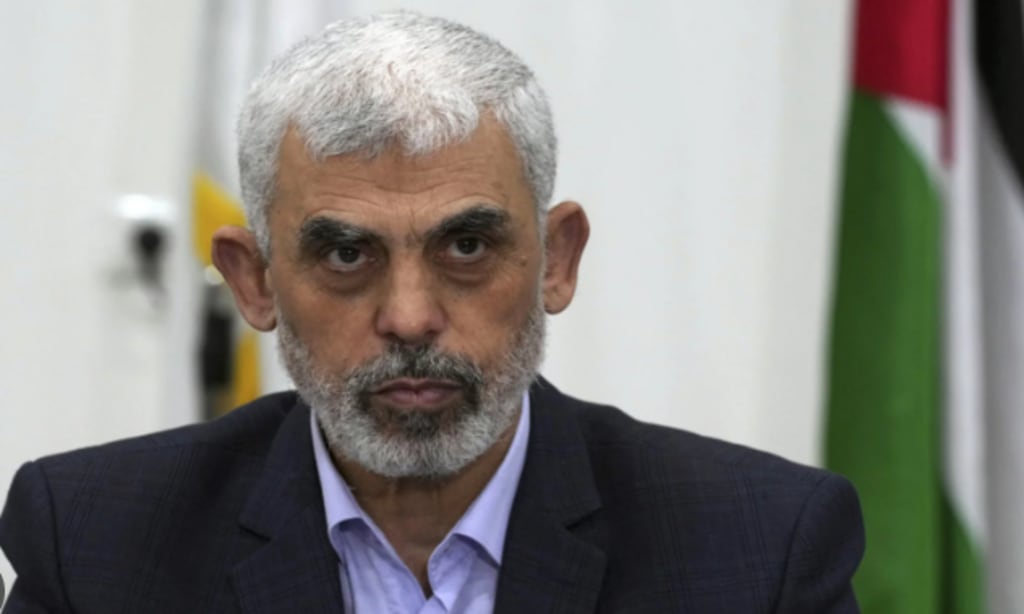
The Middle East continues to be engulfed in conflict, as tensions between Israel and Hamas escalate in the Gaza Strip. The latest developments include the death of Yahya Sinwar, a key Hamas leader, and the ongoing violence across the region. These events have far-reaching implications for the political landscape in the Middle East, with both sides digging in for a prolonged confrontation.
The Death of Hamas Leader Yahya Sinwar
Israeli military operations recently led to the death of Yahya Sinwar, a prominent leader of Hamas, a group classified as a terrorist organization by Israel, the United States, and the European Union. Sinwar, known as the chief strategist behind Hamas’ brutal October 7, 2023, attack on Israel, was killed during a ground patrol in Rafah, southern Gaza. Israeli military reports confirmed that an intense firefight ended with a tank shell hitting a building where Sinwar was positioned.
An Israeli pathologist confirmed that Sinwar died from a gunshot wound to the head. His death marks a significant turning point in the ongoing conflict, removing a key figure who had been instrumental in shaping Hamas' military strategies. Sinwar had been one of the most prominent leaders of the group and was heavily involved in orchestrating past attacks on Israeli civilians and soldiers.
Hamas has since confirmed Sinwar’s death but warned that no hostages would be released unless Israel ends the war, withdraws from Gaza, and releases Palestinian prisoners. This statement adds further complexity to the ongoing negotiations for a ceasefire and the potential release of captives.
Rising Civilian Casualties: Israeli Airstrikes in Gaza
Meanwhile, on the ground in Gaza, the situation grows increasingly dire for civilians. Israeli airstrikes on the densely populated northern Gaza Strip continue to take a devastating toll. On Friday night, at least 33 people were killed, including 21 women, in the Jabalya refugee camp, according to the Gaza Government Media Office. These numbers are expected to rise as many people remain trapped under the rubble of destroyed buildings.
The Israeli military has ramped up its airstrikes in recent weeks as part of an aggressive campaign to dismantle Hamas’ infrastructure and leadership. These operations, however, have led to significant civilian casualties, heightening concerns among international organizations about a potential humanitarian crisis in Gaza.
Drone Attack Near Prime Minister Netanyahu’s Residence
In another alarming development, a drone launched from Lebanon targeted the residence of Israeli Prime Minister Benjamin Netanyahu in central Israel. According to a statement from his office, Netanyahu was not present at the time, and no casualties were reported. Although the Israeli defense forces intercepted the drone, this incident highlights the growing threat posed by Hezbollah and other militant groups operating from Lebanon.
Lebanon, home to Hezbollah, has become another front in Israel’s battle against regional militias. While Israel's primary focus remains on Hamas in Gaza, the potential for an escalation with Hezbollah in northern Israel looms large, adding another layer of complexity to an already volatile situation.
Israel’s Stance: A Vow to Continue Fighting
Israeli Prime Minister Benjamin Netanyahu has reaffirmed his country’s determination to keep fighting Hamas until all hostages are returned and the group is fully dismantled. Netanyahu’s government has rejected calls for an immediate ceasefire, citing Hamas’ continued rocket fire into Israeli territory and the group’s refusal to release hostages.
In contrast, Hamas has remained resolute in its demands, vowing not to release captives until Israel meets its conditions, including the complete withdrawal from Gaza and the release of Palestinian prisoners.
International Reactions: Calls for Ceasefire and Diplomatic Efforts
The international community continues to express deep concern over the rising death toll and the possibility of the conflict spilling into other regions. Despite Israeli resistance, U.S. officials have renewed calls for a ceasefire, urging both sides to come to the negotiating table.
The United Nations and human rights organizations have also voiced concerns about the impact of continued airstrikes on Gaza’s civilian population, calling for immediate humanitarian aid to the affected areas. As of now, however, both Hamas and Israel remain locked in a deadly standoff, with no clear end in sight.
The Path Forward
As the conflict rages on, the death of Yahya Sinwar represents both a significant victory for Israel and a potential flashpoint for further escalation. With Hamas vowing to avenge Sinwar’s death and Israel continuing its airstrikes, the likelihood of a peaceful resolution appears distant.
While diplomatic efforts continue, the situation on the ground remains grim, particularly for civilians caught in the crossfire. As both sides brace for a prolonged conflict, the international community faces mounting pressure to mediate an end to the violence.
Conclusion
The Middle East conflict between Israel and Hamas shows no sign of abating. With the death of Yahya Sinwar, the stakes have only grown higher. As Israel continues its military operations and Hamas vows retaliation, the prospect of a peaceful solution seems increasingly elusive. Both sides remain entrenched in their positions, and without a significant shift in negotiations, the region is likely to experience even greater turmoil in the coming weeks.
About the Creator
Global News Update
It cover a wide range of topics including politics, economics, technology, environment, and more from around the world. They often provide insights into significant events, trends, and developments impacting various regions globally.
Keep reading
More stories from Global News Update and writers in Journal and other communities.
North Korea's Kim Jong Un Calls South Korea a Hostile Nation: Rising Tensions Explained
SEOUL, Oct 18 – In a striking escalation of rhetoric, North Korean leader Kim Jong Un has labeled South Korea as a "foreign and hostile nation," according to state media outlet KCNA. This assertion comes amidst a backdrop of increasing military tension and a clear departure from decades of diplomatic engagement. As North Korea amends its constitution to classify the South as a "hostile state," it marks a significant shift in inter-Korean relations, with potential implications for regional security.
By Global News Updateabout a year ago in Journal
The Quiet Link Between Evening Light and Restless Sleep
For a long time, I believed my restless sleep was caused by what happened in my head. Too much thinking. Too much stress. Too many unfinished thoughts that followed me into the night. I tried calming routines, earlier bedtimes, and stricter boundaries around work. Some nights improved. Many did not.
By illumipure4 days ago in Journal



Comments
There are no comments for this story
Be the first to respond and start the conversation.