
North Korea's Kim Jong Un Calls South Korea a Hostile Nation: Rising Tensions Explained
Kim Jong Un's Warning and Military Posturing

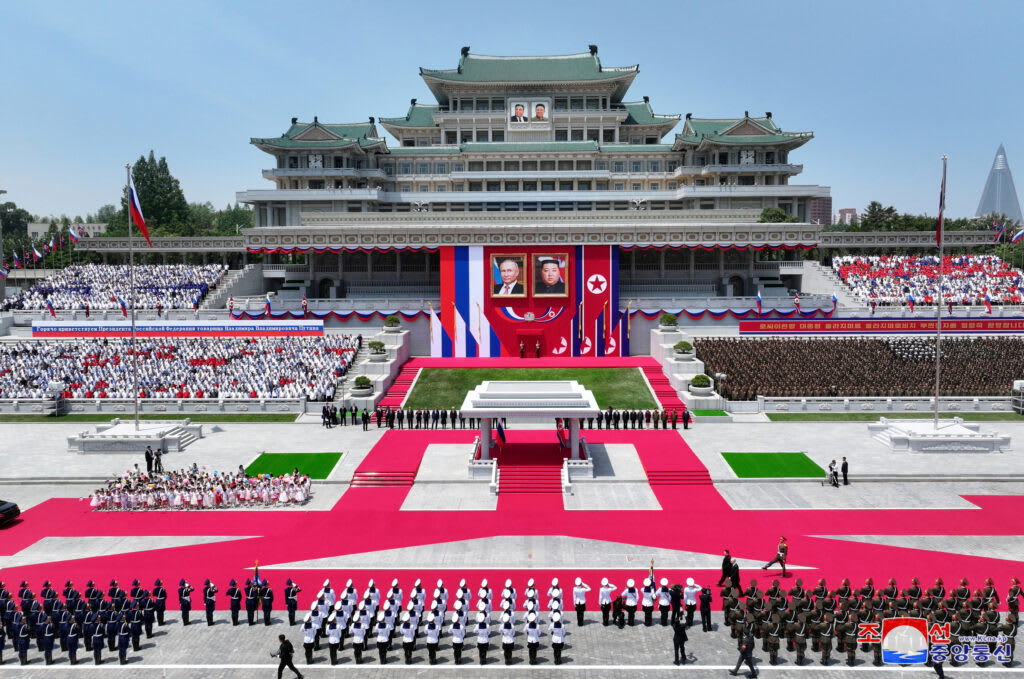
SEOUL, Oct 18 – In a striking escalation of rhetoric, North Korean leader Kim Jong Un has labeled South Korea as a "foreign and hostile nation," according to state media outlet KCNA. This assertion comes amidst a backdrop of increasing military tension and a clear departure from decades of diplomatic engagement. As North Korea amends its constitution to classify the South as a "hostile state," it marks a significant shift in inter-Korean relations, with potential implications for regional security.
Kim Jong Un's Warning and Military Posturing
During a recent visit to the 2nd Corps headquarters of the North Korean army, Kim emphasized the need for "offensive forces" as a response to any perceived threats against North Korean sovereignty. While details of the specific military capabilities discussed remain undisclosed, the presence of high-ranking soldiers and the examination of a map marked "Seoul" underscore the seriousness of Kim's statements.
Historical Context: A Shift in Rhetoric
Kim's rhetoric against South Korea has become increasingly aggressive this year, fueled by accusations that Seoul is collaborating with Washington to undermine his regime. By denouncing the goal of unification and denouncing the South as an adversary, Kim seeks to fortify his position domestically and strengthen military resolve. As a result, the once-considered pathway of engagement has transformed into one of clear hostility.
In recent weeks, North Korea has also announced a complete cessation of road and rail links with South Korea, which Kim referred to as the "end of the evil relationship with Seoul." These statements highlight the North's intent to fortify its borders and reject any form of reconciliation.
The Impact of North Korea's Actions
The recent developments have prompted a strong response from South Korea. In a stark warning, Seoul declared that any act of aggression from the North would signify the end of the North Korean regime. The South Korean government remains cautious, refraining from confirming or denying accusations regarding military drone activities over its territory.
International Concerns and Military Cooperation
The increased tensions have attracted international attention. On Friday, top military officials from South Korea and the United States convened for their annual Military Committee Meeting, expressing concern over North Korea's provocative actions and its growing military collaboration with Russia. The Joint Chiefs of Staff emphasized that these developments threaten peace and stability not only on the Korean Peninsula but globally as well.
Upcoming Military Exercises
In response to the escalating tensions, South Korea is set to commence its annual large-scale military exercises, known as Hoguk, beginning Sunday. These drills aim to enhance operational performance and preparedness in light of North Korea's threatening behavior. The increased military readiness underscores the seriousness of the situation and highlights the South's commitment to defending its sovereignty.
Conclusion: A Fractured Relationship
As North Korea solidifies its stance as a hostile entity, the potential for conflict remains a significant concern for both Koreas and the international community. Kim Jong Un's rhetoric and actions signal a pivotal moment in inter-Korean relations, with ramifications that could reshape the security landscape of the region. The changing dynamics necessitate careful monitoring as both nations navigate this precarious period.
By analyzing the evolving relationship between North and South Korea, it becomes evident that Kim's rhetoric is not merely a reflection of current tensions but also a calculated strategy for regime survival. As both countries continue down this hostile path, the prospect of dialogue appears increasingly dim, leaving the future of the Korean Peninsula hanging in the balance.
Sources:
- KCNA Reports on North Korea's Military Actions
- Commentary from Yang Moo-jin, President of the University of North Korean Studies
- Joint Chiefs of Staff Statement on Military Cooperation and Security Concerns
About the Creator
Global News Update
It cover a wide range of topics including politics, economics, technology, environment, and more from around the world. They often provide insights into significant events, trends, and developments impacting various regions globally.
Keep reading
More stories from Global News Update and writers in Journal and other communities.
Italy’s Cryptocurrency Tax Hike: A Comprehensive Overview of the Upcoming 30% Capital Gains Tax
As the European Union gears up to introduce the Markets in Crypto-Assets (MiCA) regulations, Italy is taking decisive steps to revamp its cryptocurrency tax policies. The Italian government has recently announced plans to increase the capital gains tax on Bitcoin and other cryptocurrencies from 26% to 30%. This regulatory shift is part of a broader strategy to boost tax revenue from the rapidly growing digital asset sector. Additionally, Italy is considering implementing a tax on crypto transactions, which could further impact investors and traders.
By Global News Updateabout a year ago in Journal
The Apostles’ Creed
The Apostles’ Creed is one of the oldest and most important prayers in Christianity. For Catholics, it is not simply a memorized formula or a ritual recited out of habit. It is a concise summary of what the Church believes, rooted in Scripture, preserved through Tradition, and handed down across generations. When Catholics pray the Apostles’ Creed, they are doing more than listing doctrines. They are proclaiming a shared faith that connects them to the earliest Christians.
By Sound and Spirit6 days ago in Journal



Comments
There are no comments for this story
Be the first to respond and start the conversation.