
Canada's Gold Rush: Fuelling GDP and Strengthening Export Markets
Gold mining emerges as a cornerstone of Canada’s economic growth and global trade influence

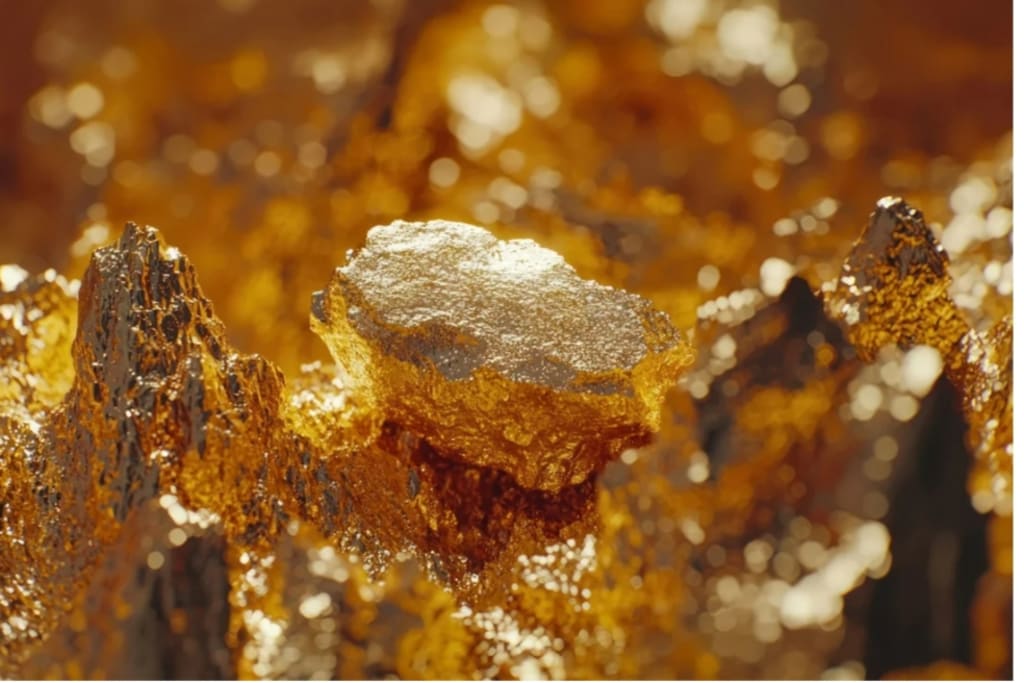
Canada’s gold industry is experiencing a resurgence, with production and exports contributing significantly to national GDP growth and bolstering its position in international markets. Once overshadowed by other sectors, gold mining has now become a strategic driver of economic resilience, attracting investment, creating jobs, and enhancing Canada’s influence as a key player in the global precious metals market.
Analysts and industry leaders point to a combination of rising gold prices, technological innovation, and strong regulatory frameworks as the forces propelling Canada’s gold sector into a period of sustained growth.
---
Gold Mining and Canada’s GDP
Gold mining contributes directly to Canada’s economy through:
Mining Operations: Employment and operational expenditures stimulate local economies in provinces like Ontario, Quebec, and British Columbia.
Corporate Investments: Expansion projects, equipment purchases, and technology upgrades inject capital into the broader economy.
Government Revenues: Taxes, royalties, and fees from gold production provide significant fiscal support for provincial and federal budgets.
According to recent industry reports, gold production accounted for billions in GDP contributions in 2025, and projections for 2026 indicate continued growth as new mines come online and existing operations expand.
The sector’s impact is particularly strong in remote and northern regions, where mining operations often serve as the primary economic engine, providing employment and infrastructure development that benefit local communities.
---
Export Markets and Trade Balance
Canada is one of the world’s leading gold producers, exporting the majority of its output to international markets. Key export destinations include:
United States – A longstanding trading partner for Canadian gold, particularly refined products and bullion.
China and India – Major consumers of gold for investment and jewelry, offering high-demand export channels.
Europe – Industrial and investment demand sustains a steady market for Canadian gold.
Exporting gold strengthens Canada’s trade balance, earning foreign currency and contributing to overall economic stability. Analysts note that robust gold exports mitigate fluctuations in other commodity markets, such as oil and natural gas, providing a buffer against global market volatility.
---
Drivers of Canada’s Gold Industry Growth
Several factors have fueled the recent growth in Canada’s gold sector:
1. Rising Global Demand
Investor appetite for gold remains high amid economic uncertainty, inflation concerns, and geopolitical risks. Gold’s dual role as a safe-haven asset and industrial commodity ensures sustained demand, benefiting Canadian producers.
2. Technological Advancements
Automation, drone surveys, and advanced ore processing techniques have improved productivity and reduced costs, enabling Canadian mines to operate efficiently even in challenging geological conditions.
3. Supportive Regulatory Environment
Canada offers a stable legal and environmental framework for mining operations, which encourages both domestic and foreign investment. Provinces provide incentives, streamlined permitting processes, and strong infrastructure, making the sector more attractive compared to less predictable regions globally.
4. Strategic Exploration and Expansion
Junior and mid-tier mining companies are investing heavily in exploration projects across gold-rich provinces, expanding Canada’s resource base and ensuring long-term production potential.
---
Economic and Community Benefits
Gold mining in Canada goes beyond GDP contributions, generating broader socio-economic benefits:
Job Creation: Thousands of direct and indirect jobs in mining, transportation, equipment manufacturing, and support services.
Community Development: Mining companies often invest in schools, healthcare facilities, and infrastructure projects, particularly in remote and Indigenous communities.
Skills Development: Advanced mining operations provide training and skill-building opportunities for local and Indigenous workforces, strengthening long-term employment prospects.
Industry experts argue that these benefits position gold mining as a critical component of sustainable regional development, fostering both economic growth and social stability.
---
Challenges Facing the Sector
Despite strong growth, Canada’s gold industry faces challenges that must be managed carefully:
Environmental Concerns: Mining operations must balance production with sustainable land use, water management, and ecosystem preservation.
Global Price Volatility: While gold remains a high-demand commodity, prices can fluctuate significantly, affecting profitability and investment planning.
Labor and Skills Shortages: Competition for skilled labor, particularly in remote regions, can constrain production and increase operational costs.
Proactive strategies, including technology adoption, workforce development, and environmental stewardship, are essential to maintaining long-term sector growth.
---
Canada’s Global Gold Position
Canada is currently among the top five gold-producing nations worldwide, alongside China, Australia, Russia, and the United States. Its competitive advantages include:
Rich geological reserves in accessible regions
Stable political and regulatory systems
High-quality mining infrastructure and skilled workforce
This global positioning allows Canada not only to export significant quantities of gold but also to influence global trade dynamics, attract foreign investment, and negotiate favorable trade agreements with key consumer nations.
---
Future Outlook
Analysts predict that Canada’s gold sector will continue to expand in the coming years, driven by:
Ongoing exploration projects increasing reserves
Technological innovation reducing costs and improving efficiency
Growing global demand for gold, both for investment and industrial uses
Strategic partnerships between junior miners and major producers, enhancing production capacity
The combination of economic contribution, export growth, and technological advancement ensures that gold mining will remain a key pillar of Canada’s economy well into the next decade.
---
Conclusion
Canada’s gold rush is more than a mining boom—it is a strategic economic driver, fuelling GDP growth, strengthening export markets, and enhancing global trade influence. With supportive regulations, technological advancement, and continued exploration, the Canadian gold sector is poised for sustained growth and long-term value creation.
As the country navigates global economic uncertainties, gold mining provides stability, employment, and international leverage, cementing Canada’s position as a leading force in the global precious metals industry.
About the Creator
Keep reading
More stories from Salaar Jamali and writers in Journal and other communities.
After Dumping Tonnes of Sand Into the Ocean for More Than 12 Years, China Has Succeeded in Creating Entirely New Islands From Scratch
For more than a decade, China has carried out one of the most ambitious and controversial engineering projects in modern history: the creation of entirely new islands by dumping millions of tonnes of sand and dredged material into the ocean. After over 12 years of continuous land reclamation, what were once submerged reefs and shoals in the South China Sea have been transformed into artificial islands complete with runways, ports, radar systems, and military infrastructure.
By Salaar Jamaliabout 4 hours ago in Journal
EU Set to Add Iran’s Guards to Terror List After France U-Turn
The European Union is poised to take one of its most significant diplomatic steps in years by moving to designate Iran’s Islamic Revolutionary Guard Corps (IRGC) as a terrorist organization — a decision that only days ago seemed unlikely due to political resistance, particularly from France. The shift in Paris’s stance has unlocked what many diplomats in Brussels describe as “a political green light” for the controversial measure, reflecting deepening concern in Europe over Iran’s internal repression and international conduct.
By Haque!Nawaz2 days ago in Journal




Comments
There are no comments for this story
Be the first to respond and start the conversation.