
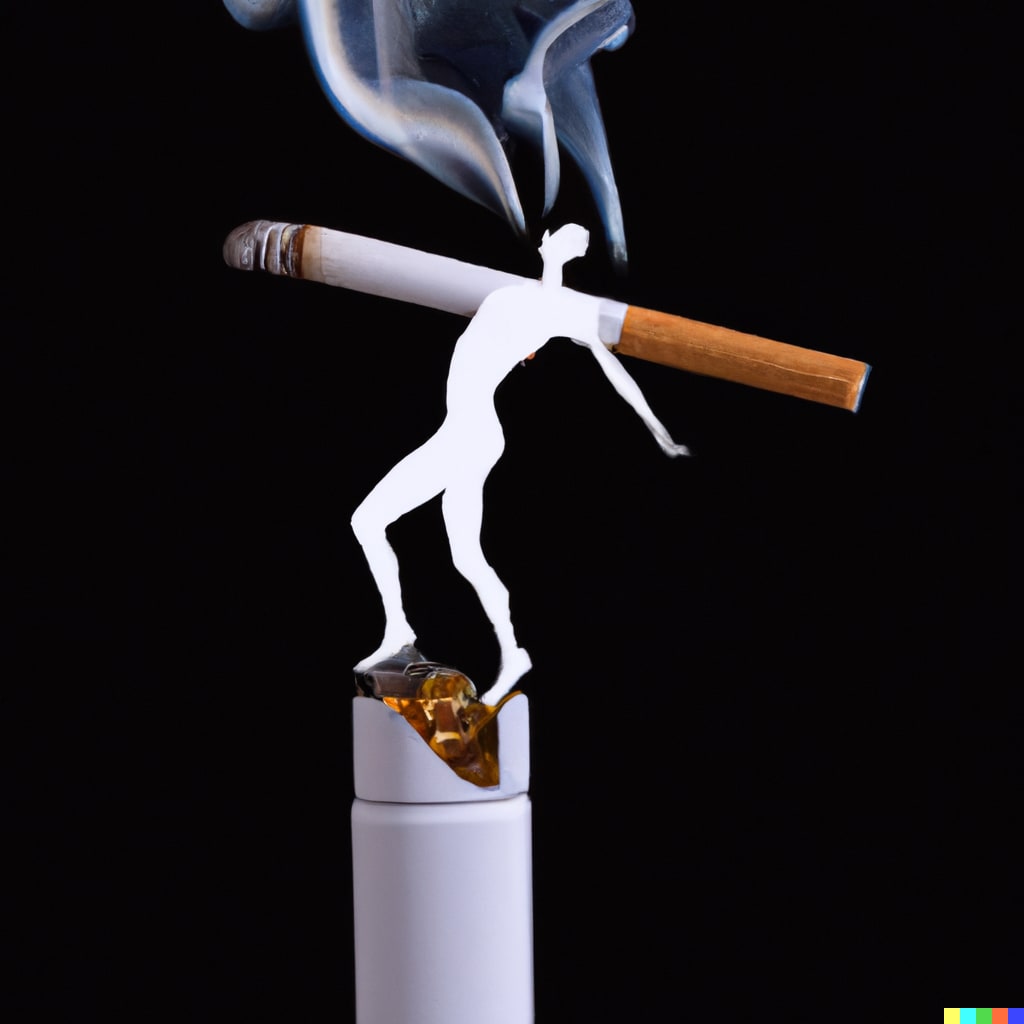
World Cancer Day is an annual event that takes place on February 4th to raise awareness about the impact of cancer on individuals and communities worldwide, and to encourage individuals and organizations to take action against the disease. The day is organized by the Union for International Cancer Control (UICC) and is observed by countries around the world.
PLEASE BAN "CIGARETTE"
The aim of World Cancer Day is to increase understanding about cancer and to help reduce the stigma associated with the disease. It is also an opportunity for individuals and organizations to advocate for greater investment in cancer research, improved access to cancer care, and increased public education about cancer prevention and early detection.
Yes, children can be affected by cancer. Childhood cancer is a term used to describe cancer that occurs in individuals under the age of 21. Childhood cancers are less common than cancers in adults, but they can be more aggressive and harder to treat. Some common types of childhood cancer include leukemia, brain tumors, lymphoma, and Wilms' tumor. Early diagnosis and treatment are important for the best outcome for children with cancer.
PLEASE BAN "CIGARETTE"
Activities to mark World Cancer Day may include public events, educational campaigns, and the distribution of information about cancer, its causes, and the ways in which it can be prevented and treated. The UICC also encourages individuals to participate by sharing their own experiences of cancer and advocating for greater attention to the disease.
PLEASE BAN "CIGARETTE"
Overall, World Cancer Day is an important opportunity to raise awareness about the impact of cancer and to bring together individuals and organizations from around the world to take action against this disease. !!!WHEN IT WILL HAPPEN?
How to Recover from CANCER?
Recovering from cancer is a unique experience for each person and can involve physical, emotional, and practical considerations. Here are some general steps that can help with the recovery process:
Follow medical treatment plan: Completing recommended treatments such as chemotherapy, radiation therapy, or surgery is essential for improving outcomes and reducing the risk of recurrence.
Eat a healthy diet: Consuming a well-balanced diet that is high in nutrients and low in fat can help with recovery and build strength.
Exercise regularly: Physical activity can improve physical function, boost mood, and reduce stress.
Manage stress: Finding ways to manage stress, such as through relaxation techniques, mindfulness, or therapy, can help with emotional well-being.
Seek support: Joining a support group, talking to a counselor or therapist, or connecting with others who have gone through a similar experience can provide valuable support and understanding.
Follow-up care: Regular follow-up appointments with a doctor to monitor for recurrence or any new health issues is important.
It's important to remember that recovery can take time and may involve ups and downs. Seeking help from medical professionals and loved ones can make the journey easier.
BAN DETAILS BUT ITS TOO LATE...
Several countries have implemented laws and regulations to ban smoking in public places or regulate the sale of tobacco products. Some examples include:
Bhutan - Bhutan is the first country to ban the sale of tobacco products.
Australia - Australia has implemented laws to regulate tobacco packaging and advertising, as well as ban smoking in many public places.
United Kingdom - The UK has implemented laws to regulate the sale of tobacco products and ban smoking in public places, including workplaces and enclosed public spaces.
Ireland - Ireland was the first country to introduce a comprehensive ban on smoking in the workplace, including bars and restaurants.
Uruguay - Uruguay has implemented strict regulations on tobacco advertising and promotion, as well as required graphic health warnings on cigarette packaging.
India - India has implemented laws to regulate the sale of tobacco products and ban smoking in public places.
(WE NEED TOTAL BAN NOT ONLY IN PUBLIC PLACES)
These are just a few examples, as the list of countries with anti-smoking regulations continues to grow. The goal of these laws is to reduce the health and societal impacts of smoking, such as reduced lung cancer and other smoking-related diseases, as well as secondhand smoke exposure.
PLEASE DON'T SPOIL YOUR LOVED ONES NEARBY YOU.
About the Creator
Keep reading
More stories from writers in Humans and other communities.
Ghaza, the City That Remembers
Ghaza had been standing by the sea for thousands of years, long before borders were drawn and redrawn, before flags replaced empires. Waves struck its shore with the same patience they always had, as if time itself bowed to the city’s endurance. To the outside world, Ghaza was often reduced to headlines and numbers, but to the people who lived there, it was something far deeper: a home stitched together by memory, struggle, and stubborn hope.
By The best writer 3 days ago in Humans




Comments
There are no comments for this story
Be the first to respond and start the conversation.