
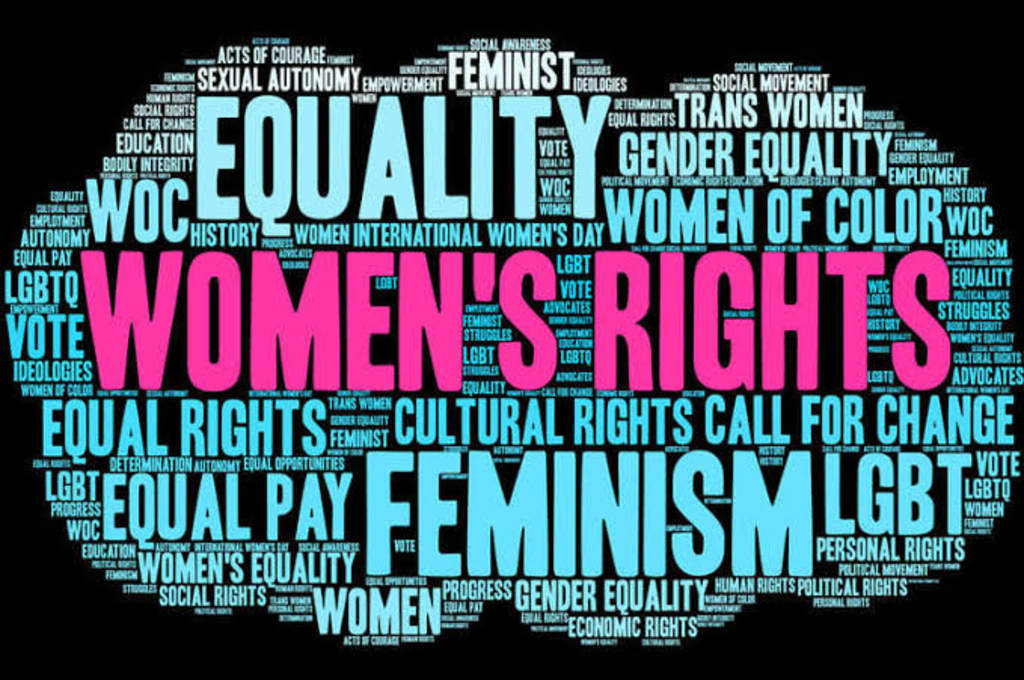
Once upon a time, women were treated as second-class citizens in society. They were denied many basic human rights, including the right to vote, own property, and receive an education. Women were expected to stay at home, care for their families, and defer to their husbands in all matters.
However, over time, women began to fight back against these oppressive norms. They organized, protested, and demanded change. Slowly but surely, their efforts paid off, and women's rights began to improve.
In the early 1900s, women in many countries began to fight for suffrage, or the right to vote. Suffragettes, as they were called, organized marches, rallies, and hunger strikes to demand this right. In 1917, after years of activism, women in Russia were granted suffrage. Other countries, such as Canada and the United States, followed suit in the following years.
As women gained the right to vote, they also began to demand more opportunities for education and employment. In the past, women had been limited to certain professions, such as nursing or teaching, and were often paid less than their male counterparts. However, as more women entered the workforce, they pushed for equal pay and equal opportunities. This led to the passage of the Equal Pay Act in the United States in 1963, which mandated that men and women be paid the same wage for the same job.
As women gained more rights, they also became more visible in society. Women's liberation movements emerged in the 1960s and 1970s, advocating for reproductive rights, sexual liberation, and an end to gender-based violence. These movements were instrumental in changing public perceptions of women and paving the way for even more progress in the years to come.
Today, women enjoy more rights than ever before. They can vote, own property, receive an education, and work in any profession they choose. However, there is still work to be done to ensure that women's rights are protected and respected.
For example, women still face significant barriers in certain industries, such as tech and finance, where they are often underrepresented and underpaid. Women also face discrimination based on their race, ethnicity, and sexual orientation, which can compound the challenges they face.
Gender-based violence is also still a major issue in many parts of the world. According to the World Health Organization, one in three women worldwide has experienced physical or sexual violence in their lifetime. This violence can take many forms, including sexual assault, domestic violence, and honor killings. These atrocities continue to threaten the safety and well-being of millions of women around the world.
Despite these challenges, women continue to fight for their rights. Organizations such as the United Nations and the World Health Organization are working to raise awareness of gender-based violence and to create programs to prevent it. Grassroots movements, such as the #MeToo movement, have empowered women to speak out against harassment and abuse.
Individual women are also making a difference in their communities. Activists like Malala Yousafzai, who was shot by the Taliban for speaking out about girls' education in Pakistan, have become symbols of women's resilience and courage in the face of oppression.
The fight for women's rights is ongoing, but there is hope. With each passing year, women gain more visibility, more power, and more influence. As women continue to speak out and demand change, they will undoubtedly make even more progress in the years to come.
About the Creator
Keep reading
More stories from writers in Humans and other communities.
Autonomy Is The Real Privilege
Good morning, freedom-seekers! Today we’re gonna be looking at autonomy. A strange word, I know; one many would probably look at blankly and run away from on sight. We’re gonna figure out what it actually means, consider how it’s achieved, and decipher just how deeply most of us are tangled up in dependence without realising it.
By That ‘Freedom’ Guy4 days ago in Humans



Comments
There are no comments for this story
Be the first to respond and start the conversation.