
Tyson Foods : Adverse Effects
Adverse Effects of Tyson Foods
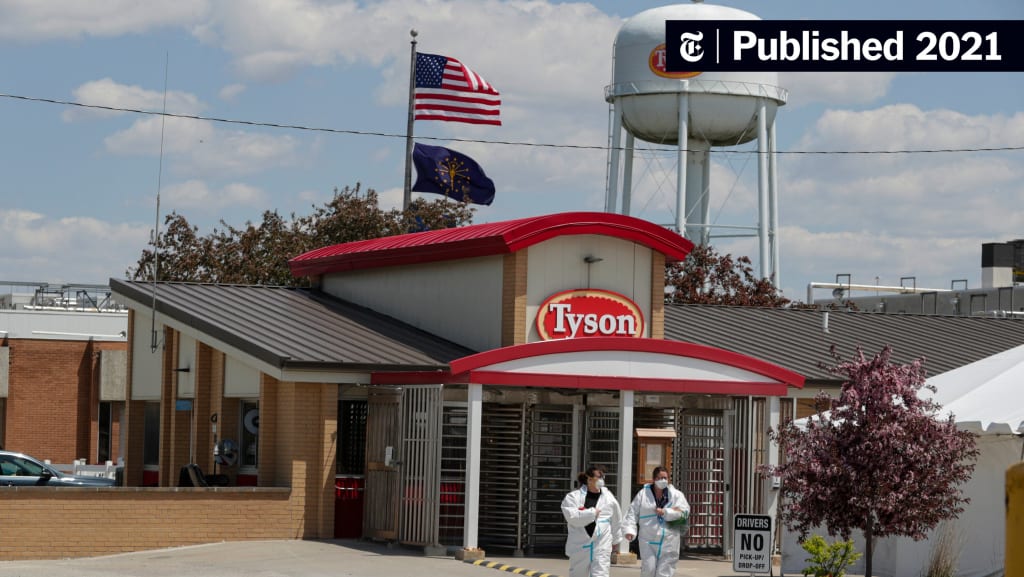
Tyson Foods is a well-known food brand that specializes in meat and poultry products. With its extensive range of offerings, Tyson Foods has become a staple in many households across the United States. However, while Tyson Foods products are widely consumed, there are growing concerns about their potential harmful effects on human health and the environment. In this blog post, we will delve into the truth about Tyson Foods and uncover the potential negative impacts associated with their products. From the use of antibiotics in animal feed to environmental pollution and health risks, we will explore the various concerns surrounding Tyson Foods and shed light on the need for informed consumer choices. Read on to discover the untold story behind Tyson Foods and the harmful effects that may be associated with their products.
Antibiotics in Animal Feed
One of the major concerns associated with Tyson Foods and other large-scale meat and poultry producers is the use of antibiotics in animal feed. Antibiotics are routinely used in factory farms to promote growth and prevent diseases in livestock. However, this practice has raised significant concerns about the development of antibiotic resistance, which poses a serious threat to public health. The use of antibiotics in animal feed can contribute to the emergence of antibiotic-resistant bacteria, which can spread to humans through consumption of contaminated meat or through environmental contamination. This can lead to serious health consequences, as antibiotic-resistant infections are difficult to treat and can result in prolonged illness, increased healthcare costs, and even death.
Tyson Foods has been criticized for its use of antibiotics in animal feed, and although the company has announced plans to reduce the use of antibiotics, concerns remain about the potential impact on human health and the environment. Studies have shown that Tyson Foods and other meat and poultry producers continue to use antibiotics in their operations, despite the potential risks associated with antibiotic resistance. As consumers, it is crucial to be aware of the use of antibiotics in animal feed and choose meat and poultry products from producers that prioritize responsible antibiotic use and transparent practices.
Environmental Pollution
Another significant concern associated with Tyson Foods is the environmental pollution caused by its operations.
Factory farming, which is the intensive production of meat and poultry, generates massive amounts of waste, including animal manure, feed, and other byproducts.
This waste contains high levels of nutrients, bacteria, and other contaminants, which can end up in the environment and cause pollution of air, soil, and water.
Tyson Foods and other large-scale meat and poultry producers have been criticized for their impact on water pollution. The excessive amounts of manure and other waste generated by factory farming operations can contaminate nearby water sources, leading to nutrient pollution, bacterial contamination, and other environmental issues. This can result in the degradation of water quality, harm to aquatic ecosystems, and negative impacts on human health, especially for communities living near these factory farms.
In addition to water pollution, factory farming operations also contribute to air pollution. The release of ammonia, hydrogen sulfide, and other harmful gases from animal waste can result in air pollution, leading to respiratory issues, odor problems, and other environmental and health concerns. Tyson Foods has faced criticism for its environmental impact, and there are ongoing calls for stricter regulations and sustainable practices in the meat and poultry industry to mitigate the environmental pollution caused by factory farming operations.
Health Risks
Apart from the concerns related to antibiotic use and environmental pollution, there are also potential health risks associated with Tyson Foods products.
One of the health risks associated with Tyson Foods products is the high sodium content. Sodium is commonly used as a preservative and flavor enhancer in processed meats, and Tyson Foods products, such as bacon, hot dogs, and deli meats, are known to contain high levels of sodium. Consuming excessive amounts of sodium can lead to health issues such as high blood pressure, heart disease, and stroke. The American Heart Association recommends limiting sodium intake to less than 2,300 milligrams per day, and even lower for certain populations such as individuals with hypertension, diabetes, or kidney disease. However, many processed meat products from Tyson Foods and other similar brands can contain several times the recommended daily limit of sodium in just one serving, making it challenging to maintain a healthy sodium intake.
In addition to sodium, Tyson Foods products may also contain other potentially harmful additives such as preservatives, artificial flavors, and colors. Some of these additives have been linked to adverse health effects, including allergic reactions, hyperactivity in children, and increased risk of certain diseases. For example, some Tyson Foods products may contain nitrites and nitrates, which are commonly used as preservatives in processed meats. These compounds have been associated with an increased risk of cancer, particularly colorectal cancer, when consumed in excess over a long period of time.
Furthermore, Tyson Foods, like many other meat and poultry producers, relies heavily on conventionally raised animals that are often treated with hormones and other growth-promoting substances to accelerate their growth and increase their meat yield. While these practices are allowed and regulated by the U.S. Department of Agriculture (USDA), there are concerns about the potential health risks associated with consuming meat from animals treated with hormones and growth-promoting substances. Some studies have suggested that these substances may disrupt the hormonal balance in humans and contribute to an increased risk of certain cancers, such as breast and prostate cancer. However, more research is needed to fully understand the long-term effects of consuming meat from animals treated with hormones and growth-promoting substances.
Legal Issues
Tyson Foods, like many other large corporations, has faced legal issues and controversies over the years. These legal challenges have ranged from issues related to food safety and labeling, labor and employment practices, environmental concerns, and animal welfare. Let's explore some of the notable legal issues that Tyson Foods has faced:
Food safety and labeling: Tyson Foods has faced legal challenges related to food safety and labeling practices. For example, in 2020, the company faced a lawsuit that alleged it had deceived consumers by misrepresenting the safety measures it took during the COVID-19 pandemic at its meat processing plants. Tyson Foods was accused of downplaying the risks of COVID-19 and failing to implement adequate safety measures to protect its workers, resulting in widespread outbreaks of the virus among its employees.
Labor and employment practices: Tyson Foods has faced legal challenges related to labor and employment practices, including allegations of worker mistreatment and violations of labor laws. In 2001, the company settled a lawsuit for $1.28 million over allegations that it had violated the Fair Labor Standards Act by not paying overtime wages to its workers. In 2017, Tyson Foods agreed to pay $2.25 million to settle a class-action lawsuit that alleged the company had engaged in a pattern and practice of discrimination against African-American employees at one of its meat processing plants.
Environmental concerns: Tyson Foods has faced legal challenges related to environmental issues, particularly related to pollution caused by its factory farming operations. In 2003, the company settled a lawsuit for $6 million over allegations that it had violated the Clean Water Act by discharging pollutants from its poultry processing plants into rivers and streams in multiple states. In 2018, Tyson Foods was sued by environmental groups for allegedly polluting waterways in violation of the Clean Water Act and the Resource Conservation and Recovery Act.
Animal welfare: Tyson Foods has faced legal challenges related to animal welfare concerns. In 2009, the company settled a lawsuit for $500,000 over allegations that it had falsely advertised its chicken products as being raised without antibiotics, when in fact, the chickens had been treated with antibiotics. In 2016, Tyson Foods was sued by animal welfare organizations for alleged false advertising related to the treatment of chickens in its supply chain.
Antitrust concerns: Tyson Foods has also faced legal challenges related to antitrust concerns. In 2020, the company was named in a class-action lawsuit that alleged it had conspired with other major meat processors to manipulate and suppress beef prices, leading to higher prices for consumers and lower prices for farmers.
It's worth noting that Tyson Foods has often settled these legal cases without admitting wrongdoing or liability. However, these legal challenges highlight the complex legal and regulatory environment in which large food corporations like Tyson Foods operate, and the potential legal risks and challenges they may face.
It is important to note that while Tyson Foods and other meat and poultry producers are required to adhere to certain safety and regulatory standards set by the USDA, there are concerns about the adequacy of these regulations and the potential for foodborne illnesses associated with consuming processed meat products. For instance, there have been recalls of Tyson Foods products due to contamination with harmful bacteria such as Salmonella and Listeria, which can cause serious illness and even death, particularly in vulnerable populations such as children, elderly individuals, pregnant women, and individuals with weakened immune systems.
As a consumer, it's required to be aware of the legal issues and controversies faced by food companies and make informed choices when purchasing their products. It's also important for companies like Tyson Foods to continuously strive to improve their practices, ensure compliance with laws and regulations, and prioritize transparency and accountability to maintain consumer trust and confidence.
About the Creator
Keep reading
More stories from Shanmuga Sundaram and writers in Humans and other communities.
American Food Habits
America, the land of fast food chains and drive-throughs, has been a subject of criticism when it comes to food habits. While there are plenty of healthy food options available, the stereotypical American diet often involves high amounts of processed and fried foods, sugary beverages, and red meat. In this blog post, we'll explore American food habits, the history behind them, and their impact on health.
By Shanmuga Sundaram3 years ago in Feast
Why Didn't Anyone Tell Us
Men, move along. This is not for you. This is for the women. I was forty-five when I began menopause. It is pretty young for that to be going on in a woman’s life, but I had undiagnosed PCOS, my entire life. Thank you to all the gynecologists I had seen my entire life. That in itself should encourage women to keep seeking second opinions, especially when you are not getting correct answers or any at all.
By Alexandra Grant3 days ago in Humans
Worth the Wait: Puerto Viejo, Costa Rica
Beach bumming in a small Caribbean beach town sounded like a perfect way to end our 6-month trip through Mexico and Central America. Or so we thought. The foul, fishy stench of rotten seaweed hit our nostrils as we stepped from the cramped bus and looked out at a rather depressing, empty, and underwhelming black sand beach. It was pouring with rain, and we had to quickly fish out our ponchos. We thought, this couldn’t be it, could it?
By Sh*t Happens - Lost Girl Travel7 days ago in Wander



Comments
There are no comments for this story
Be the first to respond and start the conversation.