
The Transient Tourist: How Digital Nomads are Hollowing Out City Souls.
A Critique of a Lifestyle that Prioritizes Personal Freedom Over Community Roots.


The allure is undeniable. Sun-drenched beaches by day, cutting-edge coding projects by night. Exploring ancient ruins on a lunch break, networking in trendy cafes after work. The digital nomad lifestyle, promising freedom, flexibility, and endless adventure, has exploded in popularity. Instagram feeds are awash with images of smiling faces posed against exotic backdrops, laptops perched precariously on hammock edges, and vibrant cityscapes beckoning the curious. But beneath the carefully curated surface lies a growing concern: are these transient travelers enriching the cities they inhabit, or are they inadvertently contributing to their erosion?
For years, the narrative surrounding digital nomads has been overwhelmingly positive. They are lauded as entrepreneurial pioneers, bringing much-needed income to local economies, supporting small businesses, and fostering a vibrant, globalized culture. However, a closer look reveals a more complex and often less flattering picture. The reality is that digital nomads, while often well-intentioned, can contribute to several detrimental trends that chip away at the unique character and social fabric of the cities they "discover."
One of the most significant concerns is the impact on housing affordability. Digital nomads, often earning salaries from wealthier nations, are willing to pay higher rents and short-term rental fees than local residents can afford. This influx of disposable income drives up property values and rents, pricing out long-term residents, forcing them to relocate to less desirable areas or, in some cases, become homeless. The result is a homogenization of neighborhoods, with local businesses catering to the tastes and wallets of temporary residents rather than the needs of the established community.
This phenomenon is exacerbated by the rise of platforms like Airbnb, which cater specifically to the short-term rental market. While these platforms provide income opportunities for some property owners, they also incentivize the conversion of residential housing into temporary accommodation, further shrinking the supply of affordable long-term rentals. The unique character of a neighborhood, built over generations by its residents, can quickly be replaced by a transient population focused on maximizing their travel experiences, often with little regard for the long-term consequences.
Furthermore, the digital nomad lifestyle often fosters a sense of detachment from the local community. While some nomads make genuine efforts to integrate and contribute, many remain within their own social bubble, interacting primarily with other nomads or expats. This lack of engagement can lead to a disconnect from local customs, traditions, and social issues.
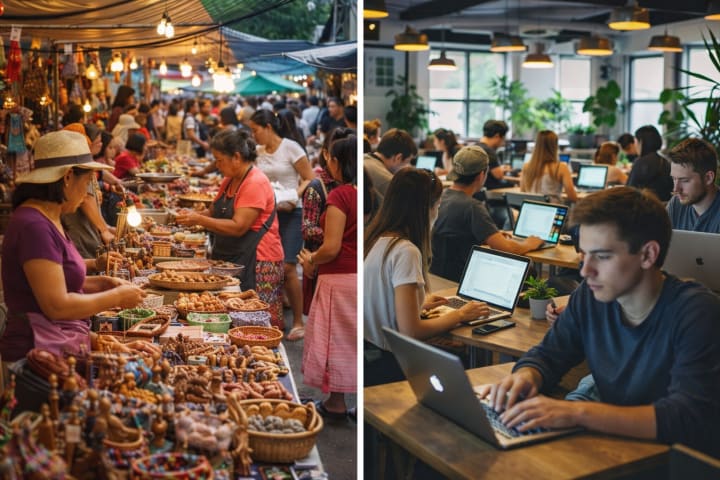
This detachment can manifest in various ways, from a lack of awareness of local etiquette to a disregard for environmental sustainability. For example, some digital nomads may contribute to increased waste production, consume excessive resources, and engage in unsustainable tourism practices without fully understanding the impact on the local environment.
The argument often made in defense of the digital nomad lifestyle is that it brings economic benefits to local communities. While this is true to some extent, the long-term consequences can outweigh the short-term gains. The influx of tourism dollars can lead to increased prices for essential goods and services, making it more difficult for local residents to afford their daily necessities. Furthermore, the focus on catering to tourist needs can lead to the neglect of vital public services and infrastructure that benefit the entire community.
Moreover, the relentless pursuit of novelty and adventure inherent in the digital nomad lifestyle can create a sense of cultural fatigue within the host cities. As more and more travelers flock to the same destinations, seeking the "authentic" experience, the very authenticity they seek is often eroded by the sheer volume of tourists. Local culture can become commodified and staged for the benefit of outsiders, losing its genuine spirit and meaning.
The digital nomad lifestyle is not inherently harmful, and many individuals who embrace it are genuinely committed to sustainable travel and responsible engagement with local communities. However, the rapid growth of this lifestyle, coupled with a lack of regulation and a focus on individual freedom over collective well-being, poses a significant threat to the soul of the cities they “discover.”
To mitigate these negative impacts, it is crucial for digital nomads to adopt a more conscious and responsible approach to their travels. This includes:
Prioritizing long-term stays: Staying in one location for an extended period allows for deeper integration into the community and a greater understanding of local issues.
Supporting local businesses: Patronizing local shops, restaurants, and service providers helps to sustain the local economy and preserve its unique character.
Learning the local language and culture: Making an effort to communicate with locals and understand their traditions fosters meaningful connections and promotes mutual respect.
Volunteering and contributing to local initiatives: Actively participating in community projects and supporting local causes helps to give back to the community and address its needs.
Advocating for sustainable tourism practices: Supporting environmentally friendly businesses and promoting responsible travel behaviors helps to protect the local environment.
Ultimately, the digital nomad lifestyle can be a force for good if it is approached with mindfulness, respect, and a genuine commitment to contributing to the well-being of the communities they inhabit. However, without a conscious effort to prioritize community roots and sustainable practices, the allure of personal freedom may come at the cost of eroding the very soul of the cities that digital nomads seek to explore. The responsibility lies with each individual to ensure that their travels leave a positive legacy, rather than contributing to the slow and insidious homogenization of our world.
About the Creator
Wilson Igbasi
Hi, I'm Wilson Igbasi — a passionate writer, researcher, and tech enthusiast. I love exploring topics at the intersection of technology, personal growth, and spirituality.
Keep reading
More stories from Wilson Igbasi and writers in Humans and other communities.
The Uncomfortable Truth About 'Trauma Bonding' on Social Media:
We live in an age of radical transparency, or at least, the appearance of it. Social media platforms, initially designed to connect us, have become stages for curated lives, highlight reels, and, increasingly, public displays of vulnerability. While genuine connection and support can blossom online, a darker side is emerging: a phenomenon some are calling "trauma bonding" in the digital sphere, raising uncomfortable questions about the way we overshare and connect.
By Wilson Igbasia day ago in Humans
Time to change your life.
Is it even possible for you to change your life? A lot of people, more than there should be, are unhappy with their lives. But what are they doing about it? Usually nothing. People talk about how shitty their lives are and want change, but are they not taking the actions to change?
By Jen Phillips5 days ago in Humans




Comments
There are no comments for this story
Be the first to respond and start the conversation.