
The Uncomfortable Truth About 'Trauma Bonding' on Social Media:
Oversharing, Connection, and the Illusion of Intimacy.


We live in an age of radical transparency, or at least, the appearance of it. Social media platforms, initially designed to connect us, have become stages for curated lives, highlight reels, and, increasingly, public displays of vulnerability. While genuine connection and support can blossom online, a darker side is emerging: a phenomenon some are calling "trauma bonding" in the digital sphere, raising uncomfortable questions about the way we overshare and connect.
Trauma bonding, traditionally understood within the context of abusive relationships, describes the intense, often inexplicable bond that forms between an abuser and their victim. It's a complex psychological process driven by cycles of abuse and intermittent reinforcement – small acts of kindness or affection that follow periods of cruelty. These brief reprieves are addictive, creating a desperate yearning for approval and a distorted perception of the relationship.
But how does this concept translate to the world of likes, comments, and ephemeral stories? On the surface, sharing difficult experiences on social media seems like a positive step towards destigmatization and community building. People bravely recount their struggles with mental health, illness, loss, and abuse, finding solace in the shared experiences of others. The immediate validation and support can be incredibly powerful, offering a sense of belonging and understanding that may be lacking in offline life.
However, the potential for unhealthy dynamics arises when this sharing becomes habitual, performative, or driven by a desire for external validation. Think of the influencer who routinely shares details of their therapy sessions, detailing every anxiety and insecurity for their followers. Or the individual who constantly posts about their toxic relationships, seeking reassurance and sympathy with each new update. While their pain may be genuine, the constant exposure and reliance on external validation can blur the lines between healthy coping mechanisms and a form of digital "trauma dumping."
This is where the echoes of trauma bonding begin to resonate. The vulnerability shared online can inadvertently create a sense of intense connection, even intimacy, with strangers. Followers become invested in the individual's story, offering support, advice, and emotional labor. The constant attention, even if well-intentioned, can become addictive, reinforcing the behavior and making the individual reliant on external validation for their self-worth.
Furthermore, the algorithmic nature of social media can exacerbate these tendencies. Platforms prioritize engagement, often rewarding posts that elicit strong emotional responses. This can inadvertently encourage individuals to share increasingly dramatic or vulnerable content to maintain attention and engagement, creating a feedback loop that reinforces the cycle.
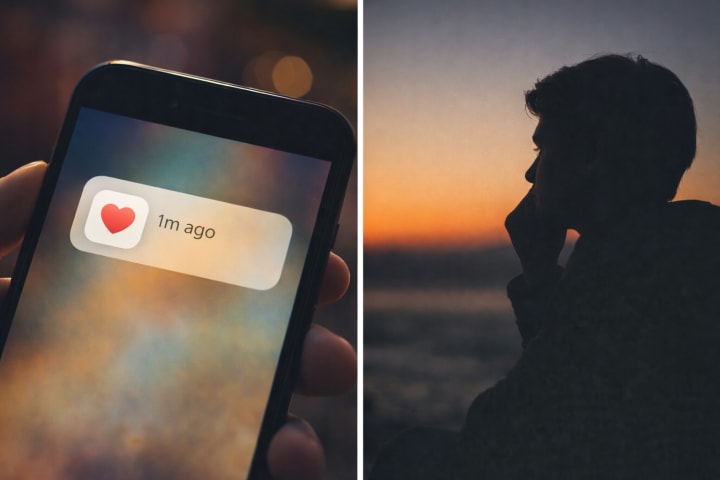
The illusion of intimacy is another key aspect to consider. On social media, we often see a carefully curated version of someone's life, stripped of context and nuance. This can lead to a false sense of understanding and connection, making it easier to project our own experiences and interpretations onto the individual's story. While genuine empathy is essential, blurring the lines between personal experience and the online narrative can create unhealthy boundaries and expectations.
So, what's the uncomfortable truth? It's that the very features that make social media so appealing – the ability to connect with others, find support, and share our stories – can also create fertile ground for unhealthy dynamics that mimic aspects of trauma bonding. We must be mindful of:
Oversharing for Validation: Are we sharing to connect and heal, or to garner attention and sympathy? Self-reflection is crucial.
The Performative Nature of Vulnerability: Is the vulnerability authentic, or is it curated for an audience? The line can be blurry, requiring honest introspection.
Boundaries and Emotional Labor: Are we placing undue burdens on our followers or being exploited by those who seek to capitalize on vulnerability? Recognizing and setting healthy boundaries is essential.
The Illusion of Intimacy: Are we projecting our own experiences onto others, or genuinely connecting with them as individuals? Perspective is key.
Ultimately, the goal is not to demonize vulnerability or discourage people from sharing their experiences online. Rather, it's to encourage a more critical and nuanced understanding of the dynamics at play. We need to be aware of the potential pitfalls of oversharing and the subtle ways in which social media can reinforce unhealthy patterns.
It's time to cultivate a more conscious and compassionate online environment, one that prioritizes genuine connection, healthy boundaries, and mindful engagement. By questioning the way we overshare and connect, we can move towards a more authentic and sustainable digital landscape, where vulnerability is a source of strength, not a tool for manipulation or addiction. The conversation needs to shift from simply sharing our pain to actively working towards healing, both individually and collectively. This requires a conscious effort to cultivate self-awareness, establish healthy boundaries, and prioritize authentic connection over fleeting validation.
About the Creator
Wilson Igbasi
Hi, I'm Wilson Igbasi — a passionate writer, researcher, and tech enthusiast. I love exploring topics at the intersection of technology, personal growth, and spirituality.
Keep reading
More stories from Wilson Igbasi and writers in Humans and other communities.
Beyond the Perfect Post: Finding Myself in a Secret "Finsta"
For years, my Instagram feed was a carefully curated highlight reel of my life. Sun-drenched family vacations, perfectly plated meals, beaming smiles from school plays – a portrait of domestic bliss painted with the filters of Valencia and Clarendon. It was a life I loved, undoubtedly, but one that increasingly felt… prescribed. I was playing a role, a series of roles really: the loving wife, the attentive mother, the diligent employee. But where was me in all of this?
By Wilson Igbasiabout 7 hours ago in Humans
Time to change your life.
Is it even possible for you to change your life? A lot of people, more than there should be, are unhappy with their lives. But what are they doing about it? Usually nothing. People talk about how shitty their lives are and want change, but are they not taking the actions to change?
By Jen Phillips4 days ago in Humans
Reckoning
An interesting thing happened to me the other day, I recalled a memory and a time which I believe I’ve been subconsciously trying to block out of my mind, and the truth of the matter is, I’ve been successful in doing so not because I’ve been unwilling to retell how I lived my life through those times, but because many people have an almost unsworn guarded secrecy to open it up in conversation and talk about what transpired for them during this period, I’m talking about COVID.
By Malachai Houghabout 4 hours ago in Humans




Comments
There are no comments for this story
Be the first to respond and start the conversation.