
The Soundtrack That Programs You
How Music Shapes Your Mind More Than You Realize

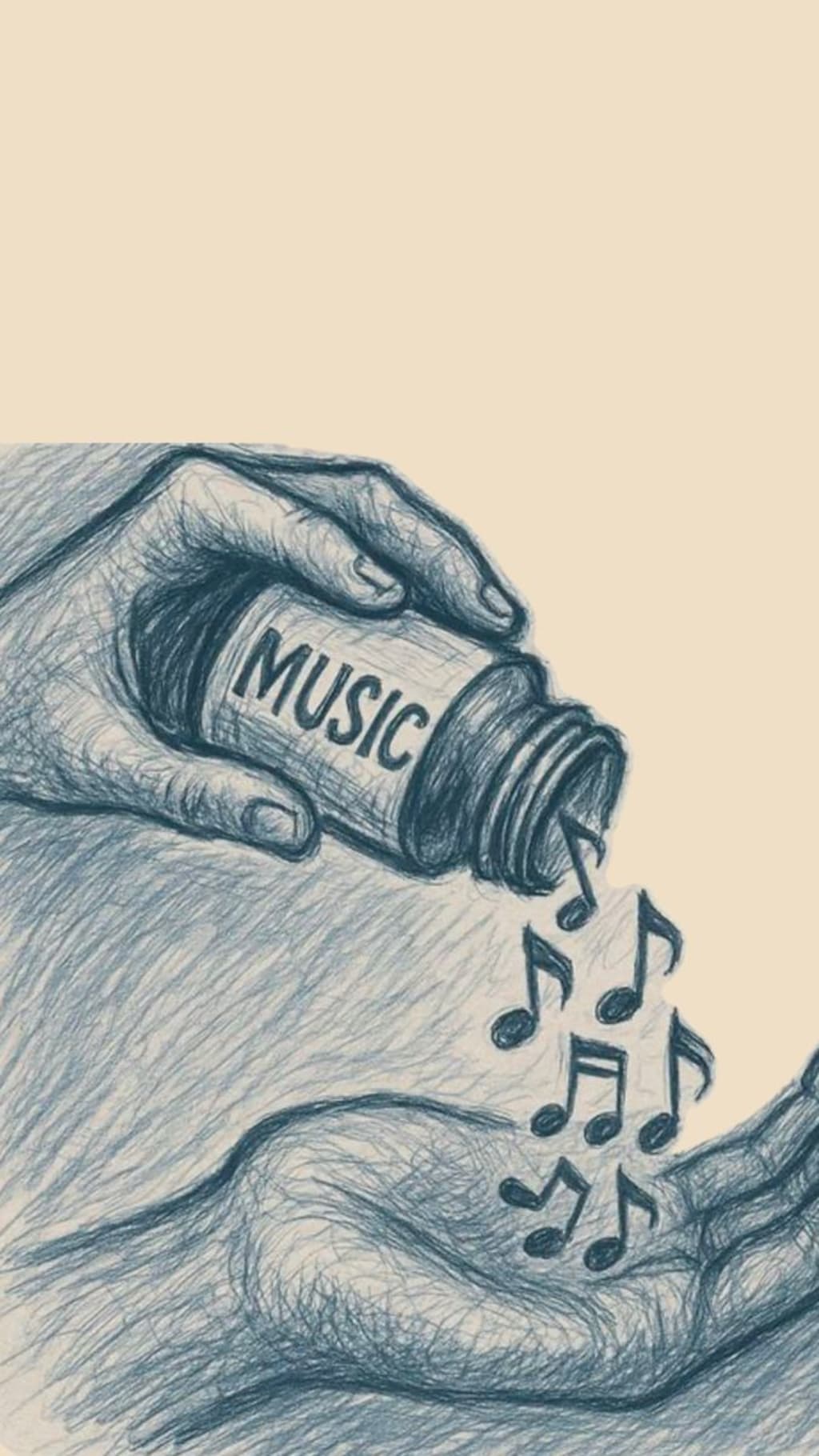
Music is one of the most powerful tools humans have ever created. It can comfort you, energize you, calm you, motivate you, and make you feel understood. For many people, music feels harmless. Even healing. Something that simply exists to be enjoyed.
But power is neutral.
What matters is how it’s used.
And most people underestimate just how deeply music reaches into their mind.
Music doesn’t just entertain you.
It conditions you.
Every song carries emotion. Every rhythm carries a mood. Every lyric carries an idea. When you listen to music, you’re not just hearing sound waves. You’re absorbing patterns, messages, and emotional states. Over time, those patterns start shaping the way you think, feel, and even act.
Not in obvious ways.
In quiet ones.
The human brain is built to learn through repetition. The more you hear something, the more familiar it becomes. The more familiar something becomes, the more normal it feels. When certain themes repeat in your music — hopelessness, violence, numbness, materialism, heartbreak, self-destruction, or reckless behavior — they slowly start to feel acceptable, relatable, even inevitable.
Not because you consciously agree with them.
But because your brain gets used to them.
Music bypasses logic.
You don’t sit down and analyze lyrics most of the time. You feel them. You sing along. You internalize the emotion before questioning the meaning. This is why music can influence people faster than books or conversations. It enters through emotion first, not intellect.
Emotion shapes behavior.
If you constantly consume music that glorifies chaos, your nervous system becomes comfortable with chaos.
If you constantly consume music that romanticizes sadness, sadness starts feeling familiar.
If you constantly consume music that glorifies reckless lifestyles, those lifestyles begin to feel attractive.
This doesn’t mean one song will ruin you.
It means patterns matter.
Another layer most people ignore is how music affects identity. Teenagers and young adults especially build their sense of self around what they consume. Music becomes a personality trait. Aesthetic. Mood. Vibe. Over time, people unconsciously start acting like the version of themselves that matches their playlist.
Not because they’re fake.
But because humans naturally mirror what they surround themselves with.
Music also influences your internal dialogue. The words you hear repeatedly become words your mind uses. If your playlist is filled with self-hate, resentment, or hopelessness, those tones slowly become part of how you talk to yourself.
You might think your thoughts are entirely your own.
Many of them are echoes.
Another uncomfortable truth is that music can keep people stuck emotionally. Instead of processing feelings and moving through them, people replay the same emotional state through songs. Heartbreak music on repeat keeps heartbreak alive. Angry music on repeat keeps anger active. Victim-minded music keeps victimhood reinforced.
It becomes emotional looping.
You’re not healing.
You’re rehearsing.
This doesn’t mean all emotional music is bad. Feeling your emotions is healthy. But staying inside the same emotional frequency for months or years slowly shapes who you become.
Music also affects behavior through energy. Fast, aggressive music can push people toward impulsive actions. Slow, melancholic music can lower motivation. Loud, overstimulating music can keep your nervous system in a constant state of tension.
You may not notice it consciously.
Your body notices it.
Most people think they choose music.
In reality, algorithms choose for them.
Platforms learn what keeps you listening. They feed you similar sounds, similar themes, similar emotional tones. This creates a feedback loop. You think you’re exploring, but you’re often being guided.
Not toward growth.
Toward engagement.
What holds attention isn’t always what’s healthy.
None of this means music is evil.
Music is a tool.
A powerful one.
Like any powerful tool, it can build or destroy depending on how it’s used.
The real danger isn’t music itself.
It’s unconscious consumption.
When you never question what you’re feeding your mind, you surrender influence.
You don’t have to stop listening to music.
You don’t have to become extreme.
You just need awareness.
Pay attention to how certain songs make you feel.
Pay attention to your mood after listening.
Pay attention to the patterns in your playlists.
Ask yourself simple questions.
Does this music make me feel stronger or weaker?
Does it make me calmer or more anxious?
Does it push me toward growth or stagnation?
You are not obligated to consume something just because it’s popular.
You are allowed to curate your mental diet.
Just like food affects your body, media affects your mind.
When you start choosing music intentionally, something shifts. You feel more stable. More grounded. More in control of your internal state. You stop outsourcing your emotions to playlists.
You begin generating them from within.
Music can be art.
Music can be therapy.
Music can be dangerous.
It all depends on who’s in control.
The song.
Or you.
About the Creator
The Workload You Build Yourself
Most adults describe overwhelm as something that arrives from outside. They talk about it as if it settles onto the body without warning. Overwhelm is most often self-induced. It grows out of choices that protect comfort instead of finishing the work. It forms from distractions that feel harmless but produce weight later. People often see the feeling as pressure from the job when it is really pressure from tasks left undone.
By Dr. Mozelle Martin2 days ago in Humans



Comments
There are no comments for this story
Be the first to respond and start the conversation.