
That Dreaded Smoke!
Fighting the tobacco smoking habit

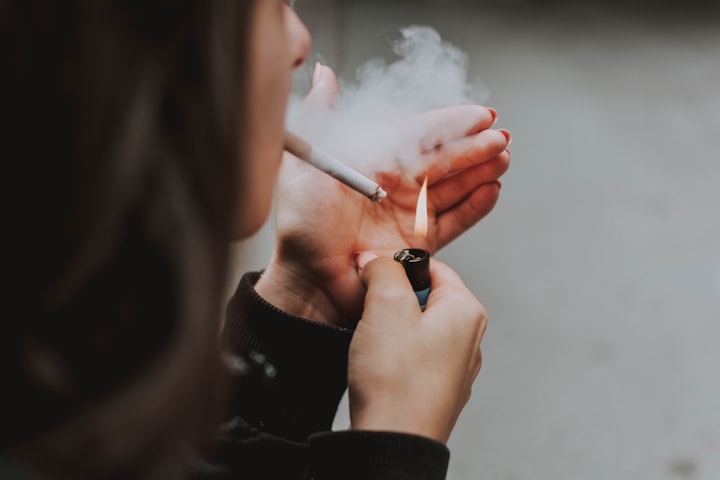
Since ancient times, smoking has been a common practice. Smoking, previously regarded as a sophisticated past time, is now recognized as one of the world's top causes of avoidable deaths. The estimated global smoking population is above one billion, which is a shocking statistic. Numerous campaigns have been carried out against the vise. Several Nations have also set regulations against smoking. Efforts made to reduce smoking-related health problems include anti-smoking campaigns, laws prohibiting smoking in public places, and the development of alternative products like nicotine gum, patches, and e-cigarettes. However, tobacco cigarettes continue to be a significant public health concern worldwide despite the initiatives in place. Due to the risks posed by smoking, we will explore the types, the effects and the addiction that accompanies this habit. Most importantly, we will also look at the potential ways to curb the addictioon.
A. Types of Smoking
There are several ways in which people smoke tobacco. The most common methods are:
1. Cigarettes: This is the most popular form of smoking. It involves rolling tobacco in paper and lighting it. The active component in tobacco is nicotine.

2. Cigars: These are larger and thicker than cigarettes. They are made by rolling tobacco in a tobacco leaf. Cigars are often associated with affluence and luxury.

3. Pipes: Pipe smoking involves packing tobacco into a bowl and lighting it. The smoke is then drawn through a stem attached to the bowl. Pipe smoking is often seen as a hobby, and it is not as prevalent as cigarette smoking.

4. Hookahs: Also known as water pipes, hookahs are used to smoke flavored tobacco. The tobacco is heated by charcoal, and the smoke is then filtered through water before being inhaled.

5. Kreteks and Bidis:
Bidis are small, thin, hand-rolled cigarettes imported to the United States, primarily from India and other Southeast Asian countries. They comprise tobacco wrapped in a tendu or temburni leaf (plants native to Asia) and may be secured with a colorful string at one or both ends. Bidis can be flavored (e.g., chocolate, cherry, mango) or unflavoured.
Kreteks—sometimes referred to as clove cigarettes—are imported from Indonesia and typically contain a mixture of tobacco, cloves, and other additives
B. Risks of Smoking
Smoking poses numerous risks to both the smoker and those around them. These risks include:
1. Cancer: Smoking is the leading cause of lung cancer, but it is also linked to other types of cancer, such as pancreatic cancer, bladder cancer, acute myeloid leukemia, cervical cancer, colorectal cancer, esophageal cancer, kidney and uterine cancer, liver cancer, oropharyngeal cancer (which can include parts of your throat, tongue, tonsils, and soft palate), pancreatic cancer, stomach or gastric cancer, tracheal, bronchial, and lung cancer
2. Respiratory problems: Smoking damages the airways, making it harder to breathe. Chronic bronchitis and emphysema are both respiratory diseases associated with smoking.
3. Cardiovascular disease: Smoking damages the heart and blood vessels, increasing the risk of heart disease and stroke.
4. Pregnancy complications: Smoking during pregnancy increases the risk of premature birth, low birth weight, and sudden infant death syndrome (SIDS).
5. Infectious diseases: Smoking weakens the immune system, making it harder to fight off infections such as pneumonia, influenza, and COVID-19.
6. Vision: Smoking, in the long term, can affect your vision and optic nerve. It may lead you to develop certain conditions that affect the eyes:
- glaucoma, in which the pressure in the eye increases, which puts pressure on the optic nerve causing damage and loss of sight
- cataracts, which cause cloudy vision
- age-related macular degeneration, which causes damage to a spot in the center of your retina and causes loss of your central vision.
7. Integumentary system (skin, hair, and nails)
Substances in tobacco smoke can cause premature skin damage, wrinkles, delayed wound healing, developing hidradenitis suppurativa (a skin condition that causes painful boils), developing psoriasis, or triggering more severe psoriasis, developing certain types of skin cancer. Smoking can also increase the risk of developing squamous cell carcinoma (skin cancer) on the lips.
There’s also a link between smoking and androgenic alopecia, a condition that causes hair loss in males. Smoking causes hair loss due to: vasoconstriction, DNA damage, generation of free radicals and hormonal effects.
It may also affect your fingernails and toenails and increase the likelihood of fungal nail infections.
8. Financial costs: Smoking is an expensive habit. The cost of cigarettes, cigars, and other smoking materials adds up quickly.
Other notable effects of Smoking are:
1. Reduced blood flow to the hands and feet
2. Bad breath and stained teeth
3. Reduced sense of taste and smell
4. Dizziness and lightheadedness
5. Reduced fertility in both men and women
Smoking is also harmful to others. Secondhand smoke can cause lung cancer and heart disease in nonsmokers, especially children and pregnant women.
C. What causes the addiction?
Nicotine is the addictive substance found in tobacco products. It is a highly addictive drug that affects the brain's reward system. When nicotine enters the body, it stimulates the release of dopamine, a neurotransmitter that creates feelings of pleasure and reward. Over time, the brain becomes dependent on nicotine to feel good, and quitting smoking can be extremely difficult.
D. Treatment Options
Withdrawal symptoms can include irritability, anxiety, depression, restlessness, and difficulty in sleeping. Many people make several attempts to quit smoking before succeeding. Research shows a mix of counseling and medications works best to help in kicking the addiction:
Some of the proven counseling treatments include:
a) Cognitive behavioral therapy (CBT): This form of talk therapy can assist you in identifying the ideas, circumstances, and people who make you want to smoke. To create techniques that will increase your chances of quitting, you will need to contact a therapist.
b) Motivational interviewing: A therapist will assist you in identifying the factors that are preventing you from giving up and the factors that will motivate you to make positive lifestyle changes. They'll also highlight discrepancies between your behavior and goals.
c) Mindfulness: This will assist you in becoming conscious of and learning to dissociate from emotions, ideas, and urges that can tempt you to use tobacco. You'll discover non-tobacco alternatives for managing tension and unfavorable thoughts.
d) Support hotlines: Every state provides free telephone help lines manned by qualified counselors who can provide support.
e) Web, text, or social media-based interventions: Utilize your smartphone, tablet, or social media accounts to aid in your efforts to stop smoking. These technologies dismantle geographical barriers and are either free or very inexpensive. These tools can be used in conjunction with other smoke-free initiatives.
The tobacco epidemic is one of the biggest public health threats the world is facing. It kills more than 8 million people a year, including around 1.2 million deaths from exposure to second-hand smoke. (WHO 2022). You are probably smoking, smoked or interacted with a person who smokes or has smoked. This means we are all affected in one way or another, hence the need to actively be involved in the MPOWER campaign.
The 6 MPOWER measures are:
1. Monitor tobacco use and prevention policies
2. Protect people from tobacco use
3. Offer help to quit tobacco use
4. Warn about the dangers of tobacco
5. Enforce bans on tobacco advertising, promotion and sponsorship
6. Raise taxes on tobacco.
No matter how long you have been using tobacco, the most important decision one can make is to QUIT. When you stop smoking, your health improves considerably!
Yours Truly,
Al Rauf Okal
References:
About the Creator
Al Rauf Okal
Do you love your body? I am an enthusiast of healthy living. I’ll be sharing on ways of living healthy. We got to enjoy life and make the best out of it. Make a point to subscribe, support and give reviews.
Keep reading
More stories from Al Rauf Okal and writers in Humans and other communities.
Silver Screen Magic with Mae West
American actress and singer Mae West became a popular film actress during the Great Depression. She started entertaining in vaudeville, then performed on Broadway, and finally went to Hollywood. She signed up with Paramount Pictures and made her debut in the 1932 film “Night After Night.” She also starred in musicals, comedies, and crime dramas. The American Film Institute named her one of the best classic Hollywood actresses.
By Rasma Raisters4 days ago in Geeks



Comments
There are no comments for this story
Be the first to respond and start the conversation.