
How do you practice patience in difficult conversations?
Difficult conversations can be emotionally charged and challenging to Navigate.

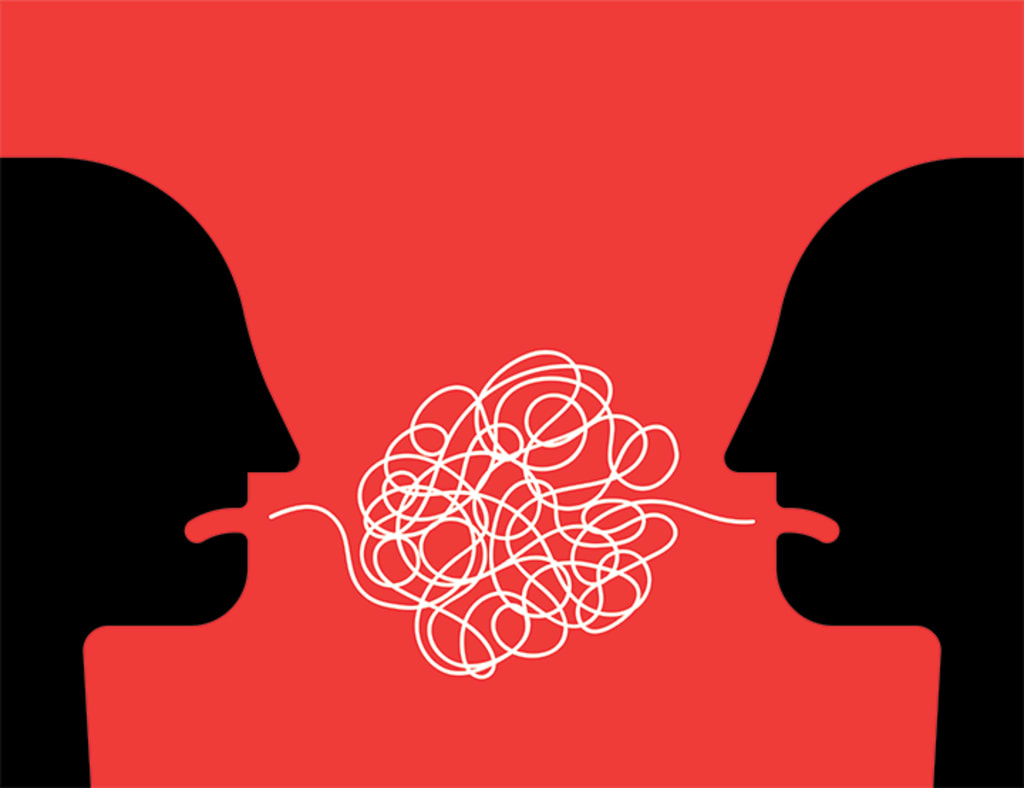
Practicing patience during these interactions is essential to maintain respect, foster understanding, and arrive at a constructive resolution. Here are several strategies, elaborated in detail, to cultivate patience during difficult conversations.
Understand the Importance of Patience
Patience allows you to listen attentively, think clearly, and respond thoughtfully rather than reacting impulsively. It helps you focus on the larger goal of the conversation—resolving conflict, building understanding, or reaching a compromise—rather than becoming mired in frustration or defensiveness.
When you recognize that patience contributes to a positive outcome, it becomes easier to prioritize and practice it.
Prepare Mentally Beforehand
If you anticipate a difficult conversation, take time to prepare yourself mentally. Reflect on the purpose of the discussion and set realistic expectations. Remind yourself that the other person may have a different perspective, and their emotions or reactions are not necessarily aimed at you. This mindset helps you approach the situation with empathy and resilience.
Additionally, practice techniques such as mindfulness or deep breathing before entering the conversation to reduce anxiety and foster calmness.
Cultivate Active Listening
Active listening is a cornerstone of patience. It involves giving your full attention to the speaker without interrupting or mentally formulating your response while they are talking. Here’s how you can practice active listening effectively:
Maintain eye contact and use affirming gestures like nodding.
Paraphrase or summarize what the other person says to ensure you understand their point.
Ask clarifying questions if something is unclear, showing genuine interest in their perspective.
Active listening not only helps you remain patient but also makes the other person feel heard and respected, reducing the tension in the conversation.
Pause Before Responding
In heated moments, it’s tempting to react immediately. However, taking a brief pause before responding can help you choose your words carefully and avoid escalating the situation.
During this pause, consider:
What is the other person trying to communicate beyond their words?
How can you respond in a way that aligns with your goals for the conversation?
This simple habit of pausing allows you to process emotions and avoid impulsive reactions.
Practice Empathy
Empathy involves understanding and sharing the feelings of another person. When you empathize, you are more likely to remain patient, even if the conversation is challenging. Try to see the situation from the other person’s perspective:
Why might they feel the way they do?
What past experiences or beliefs could be influencing their views?
Expressing empathy through statements like, “I can see how this situation might be frustrating for you,” helps to de-escalate tension and fosters mutual understanding.
Manage Your Emotions
Emotional regulation is critical during difficult conversations. If you feel anger, frustration, or defensiveness rising, take steps to manage these emotions:
Use deep breathing techniques to calm yourself.
Count to ten silently to regain control of your thoughts.
Reframe negative thoughts by focusing on solutions instead of problems.
For instance, if you find yourself thinking, “This person is being unreasonable,” reframe it as, “This person has a perspective I don’t fully understand yet.”
Focus on the Goal
Keeping the ultimate Goal of the conversation in mind can help you stay patient. Ask yourself:
What do I want to achieve from this discussion?
How can I guide the conversation toward a constructive outcome?
Focusing on the bigger picture makes it easier to let go of minor irritations and maintain your composure.
Set Boundaries When Needed
Patience doesn’t mean tolerating disrespect or verbal abuse. If the conversation becomes overly heated or unproductive, it’s okay to set Boundaries. For example:
“I think we both need a moment to cool off. Let’s revisit this later.”
“I want to continue this conversation, but I’d appreciate it if we could keep it respectful.”
Setting boundaries ensures that the conversation remains focused and respectful, allowing for better outcomes.
Reflect on the Conversation
After a difficult conversation, take time to reflect on what went well and what could be improved. Ask yourself:
Did I remain patient and composed throughout?
Were there moments where I could have listened more actively or responded differently?
By reflecting, you can learn from the experience and improve your patience for future conversations.
Practice Regular Mindfulness
Cultivating patience in general life helps you apply it during challenging conversations. Mindfulness practices, such as meditation or journaling, can enhance your ability to stay present and patient. These practices train your mind to respond thoughtfully rather than react impulsively in any situation.
IN THE END
Practicing patience in difficult conversations is a skill that requires intentional effort, empathy, and self-awareness. By preparing mentally, listening actively, managing your emotions, and focusing on the goal, you can navigate challenging discussions more effectively. Over time, these strategies not only help you handle difficult conversations with grace but also strengthen your relationships and communication skills.
About the Creator
Badhan Sen
Myself Badhan, I am a professional writer.I like to share some stories with my friends.
Keep reading
More stories from Badhan Sen and writers in Humans and other communities.
How do you prevent conflicts from affecting your connection in the long run?
While disagreements are inevitable, how they are handled can significantly impact the strength and longevity of a connection. When managed constructively, conflicts can lead to greater understanding, improved communication, and a deeper bond. Here are strategies to prevent conflicts from negatively affecting your connection in the long run.
By Badhan Senabout a year ago in Humans
Autonomy Is The Real Privilege
Good morning, freedom-seekers! Today we’re gonna be looking at autonomy. A strange word, I know; one many would probably look at blankly and run away from on sight. We’re gonna figure out what it actually means, consider how it’s achieved, and decipher just how deeply most of us are tangled up in dependence without realising it.
By That ‘Freedom’ Guy4 days ago in Humans
Fire Sign Twin Flames Thrive on Passion and Conflict.
Fire sign twin flames bring heat into connection. Aries, Leo, and Sagittarius carry raw life force. When two souls meet through fire energy, the bond ignites fast. Attraction feels instant. Emotions surge. Conflict follows quickly. This intensity scares many people. Astrology shows a different truth. Passion and drama serve a purpose.
By Wilson Igbasi2 days ago in Humans




Comments (2)
Hello, just wanna let you know that if we use AI, then we have to choose the AI-Generated tag before publishing 😊
very well thought out article yes patience is definitely essential for conflict resolution- and there is definitely an art to it and mastering it-