
From Sweat to Freshness: The Chemistry Behind Soap and Shampoo
Understanding the Molecular Magic That Keeps Us Clean and Smelling Fresh

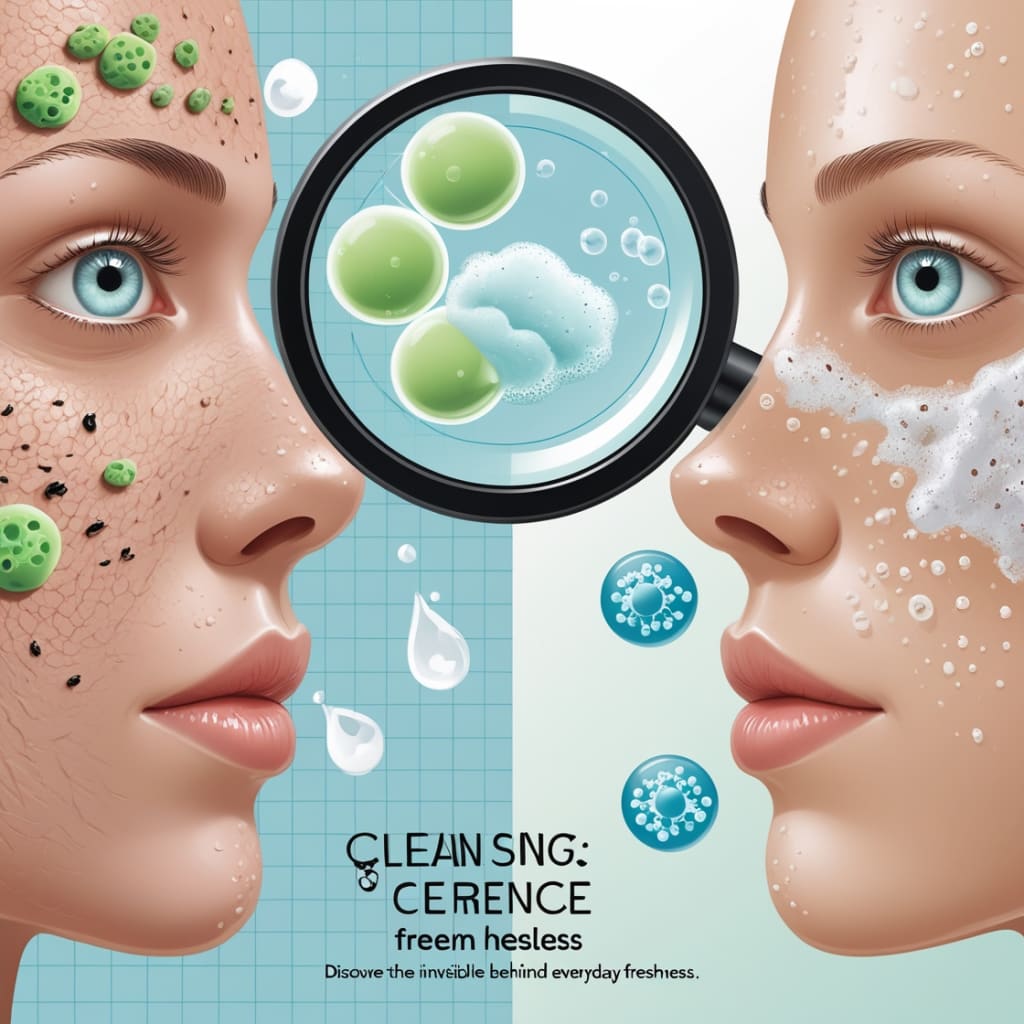
Understanding how everyday cleansers remove odor, dirt, and oil from human skin
We rarely stop to think about it, but every time we step into the shower and reach for soap or shampoo, we’re engaging in a sophisticated chemical process. Beneath the lather and fragrance lies a science that’s been evolving for centuries. Why do we smell after sweating? How exactly do soap and shampoo remove those odors and leave us feeling fresh? And what happens at the microscopic level when we wash our skin and hair?
This is the story of how chemistry transforms the human body from sweaty to clean — a journey that starts with our natural biology and ends with the molecular action of modern hygiene products.
Chapter 1: Where Does Body Odor Come From?
Contrary to popular belief, sweat itself doesn't smell. Human sweat is mostly water, mixed with a small amount of salt, proteins, and fatty acids. What gives rise to body odor is what happens after sweat reaches the skin.
Our skin hosts millions of microorganisms, especially in warm, moist areas like underarms, feet, and scalp. These bacteria feed on the organic compounds in our sweat, breaking them down into volatile odor molecules like isovaleric acid and thiols. These compounds are what produce that familiar "body odor" we all want to get rid of.
So when we aim to "remove smell," we're not simply washing away the sweat — we're addressing bacteria, body oils (sebum), and the byproducts of microbial digestion.
Chapter 2: The Nature of Skin Oils and Dirt
In addition to sweat and bacteria, our skin naturally secretes sebum, an oily substance produced by sebaceous glands. Sebum helps protect the skin and maintain moisture — but it also acts like a magnet for dust, pollutants, and dead skin cells, creating a greasy film over time.
Water alone can't effectively remove sebum because oil and water don’t mix — a fact we’ve known since childhood. So how do soap and shampoo bridge that gap?
Chapter 3: Soap — The Original Chemical Solution
Soap has been used by humans for over 5,000 years, dating back to ancient Babylon. At its core, soap is a surfactant — a substance that reduces the surface tension between oil and water, allowing them to mix.
🧼 How Soap Works (Simplified Chemistry)
Soap molecules have two key parts:
Hydrophilic head: Attracted to water
Hydrophobic tail: Attracted to oil and grease
When applied to the skin:
The hydrophobic tails latch onto oils, dirt, and odor-causing particles.
The hydrophilic heads stay attached to the surrounding water.
With rubbing or scrubbing, the soap surrounds the oily dirt in small spherical clusters called micelles.
When rinsed with water, these micelles are washed away, removing the dirt and odor.
This chemical dance is what makes soap such a powerful tool for cleansing skin. It doesn’t just rinse — it emulsifies oils and bacteria, lifting them off the skin and allowing water to carry them away.
Chapter 4: Shampoo — Designed for Hair and Scalp
Hair, unlike skin, is made of keratin and has unique structural and chemical needs. The scalp also produces sebum, and when combined with sweat, hair products, and environmental dust, it becomes a breeding ground for bacteria and odor.
Shampoo is formulated similarly to soap but often contains milder surfactants and conditioners that protect hair strands from becoming brittle or dry.
🧴 Shampoo's Key Ingredients:
Surfactants: Usually sodium lauryl sulfate (SLS) or sodium laureth sulfate (SLES), these act just like soap in lifting away oils and dirt.
Conditioning agents: Such as silicones or fatty alcohols that smooth the hair cuticle.
Fragrance and essential oils: To leave a fresh scent post-cleanse.
pH adjusters: Shampoo is slightly acidic (around pH 5.5), close to the scalp's natural pH — this helps prevent irritation.
Just like soap forms micelles, shampoo creates sudsy lather that captures dirt and sebum from hair strands and scalp pores, leaving a clean and fresh result.
Chapter 5: Fighting Odor — More Than Just Cleaning
Modern soap and shampoo formulations go beyond simply cleaning. Many contain antibacterial agents that reduce the number of odor-causing bacteria. Others include deodorizing compounds that neutralize smells at the molecular level rather than just masking them with fragrance.
One such agent is triclosan (though now used less frequently due to concerns over resistance), and others are zinc salts, silver particles, or natural antimicrobials like tea tree oil.
Some specialty products also include activated charcoal or clay, which act as adsorbents, binding with unwanted compounds and drawing them out from skin or hair.
The result? You don’t just feel clean — you are clean, down to the molecular level.
Chapter 6: The Psychology of Freshness
Smell plays a huge role in human psychology and social interaction. Clean skin and hair signal health, hygiene, and attractiveness — traits that, across cultures, influence how we’re perceived by others.
Fragrance in soap and shampoo is carefully designed by perfumers to evoke emotions:
Citrus scents are associated with energy and alertness
Lavender and chamomile signal calm and relaxation
Mint and eucalyptus bring a sense of cool freshness
This is why you might feel “awake” after a citrus shower or “soothed” by a lavender shampoo — the brain connects scent with mood and memory.
Freshness, then, is not just a physical sensation. It’s also emotional and psychological.
Chapter 7: Innovations in Soap and Shampoo
In recent years, the hygiene industry has seen a shift toward eco-conscious, skin-sensitive, and sustainable products.
Sulfate-free shampoos use gentler surfactants to reduce scalp irritation.
pH-balanced and microbiome-friendly soaps aim to clean without stripping the skin’s protective barrier.
Solid shampoo bars and zero-waste packaging are on the rise, reducing environmental impact.
Probiotic cleansers are being developed to support a healthy balance of skin microbes.
Even as we aim to stay fresh and clean, the chemistry of modern cleansers continues to evolve — balancing effectiveness with environmental and dermatological responsibility.
Conclusion: The Invisible Science Behind Daily Freshness
Every time you lather up with soap or rinse your hair with shampoo, you’re participating in a quiet act of chemistry — one that’s removing odors, balancing skin oils, eliminating bacteria, and leaving behind not just cleanliness, but confidence.
From ancient soap made of ashes and animal fat to today’s micro-targeted cleansing formulations, humanity has always been driven by the need to transform sweat into freshness. What once felt like a simple habit is, in reality, a complex biological and chemical process that protects our health, boosts our confidence, and enhances our daily lives.
So the next time you catch the scent of your favorite shampoo or feel the slickness of lather on your skin, take a moment to appreciate it — not just for how it smells, but for the invisible, brilliant science working behind the scenes.
About the Creator
FAROOQ HASSAN
Expert in "Content writting" in every language 100% human hand writting
Reader insights
Outstanding
Excellent work. Looking forward to reading more!
Top insights
Compelling and original writing
Creative use of language & vocab
Easy to read and follow
Well-structured & engaging content
Excellent storytelling
Original narrative & well developed characters
Expert insights and opinions
Arguments were carefully researched and presented
Eye opening
Niche topic & fresh perspectives
Heartfelt and relatable
The story invoked strong personal emotions
Masterful proofreading
Zero grammar & spelling mistakes
On-point and relevant
Writing reflected the title & theme
Keep reading
More stories from FAROOQ HASSAN and writers in Humans and other communities.
Universal Healers: Exploring Antibiotics in All Living Things
Long before modern hospitals and white-coated scientists, the world was already teeming with tiny wars invisible to the human eye. Deep in the soil, on the skin of animals, within plant roots, and even inside our own bodies, microbes have been battling each other for survival. Among the most powerful weapons to emerge from these battles were antibiotics — nature’s microscopic protectors, later harnessed by humans to fight disease and safeguard life.
By FAROOQ HASSAN6 months ago in Humans
Autonomy Is The Real Privilege
Good morning, freedom-seekers! Today we’re gonna be looking at autonomy. A strange word, I know; one many would probably look at blankly and run away from on sight. We’re gonna figure out what it actually means, consider how it’s achieved, and decipher just how deeply most of us are tangled up in dependence without realising it.
By That ‘Freedom’ Guyabout 11 hours ago in Humans
5 Things to Know About Intensive Outpatient Care and How It Works
Intensive outpatient care has become an important treatment option for individuals seeking support for substance use or mental health challenges without entering residential treatment. This level of care offers structured therapy while allowing people to maintain daily responsibilities such as work, school, and family life.
By Jordan Blake6 days ago in Humans



Comments (2)
Creative use of vocab
welldone